Product Description
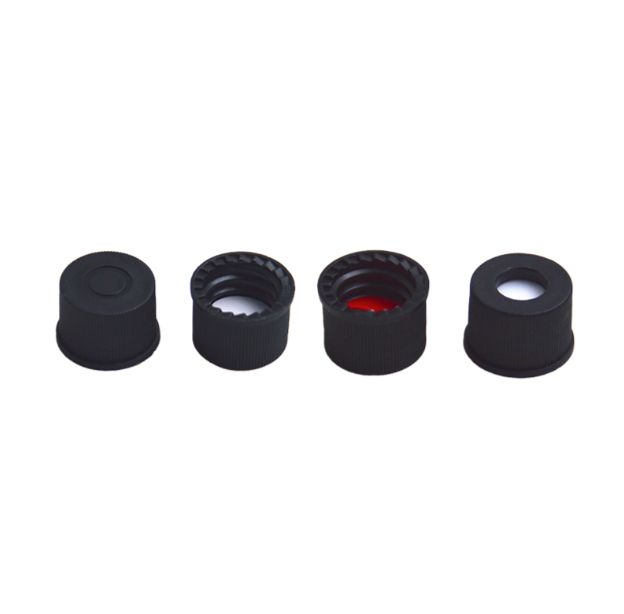
✦ Available in standard size: ND8, ND9, ND13, ND15.
✦ They have a 40% larger opening, which improves sample accessibility and
reduces the risk of autosampler needle damage.
✦ Use solid top closures for long-term sample storage applications.
✦ All materials are produced in a class 100,000 cleanroom.
✦ OEM/ODM services are available
AI Product Description
*The following content is generated by AI and is for reference only.
The product described is a specialized laboratory closure system designed for high-performance chromatography and sample analysis applications. Typically consisting of a polypropylene cap, a metal screw thread mechanism, and an internal sealing assembly featuring PTFE (polytetrafluoroethylene) over silicone septa, this component serves as a critical interface between the container and analytical instruments. Its primary function is to ensure a hermetic seal that prevents solvent evaporation, contamination from airborne particulates, and leakage during storage or transport.
The unique construction of the septum allows for repeated needle penetration by autosamplers without compromising the integrity of the seal. The PTFE layer provides exceptional chemical resistance against aggressive organic solvents and acids, while the underlying silicone offers self-sealing elasticity to recover quickly after needle withdrawal. This dual-layer design minimizes the risk of cross-contamination between samples, which is vital in trace analysis and forensic testing. The specific size range mentioned indicates compatibility with various standard vial diameters, making it versatile for use in gas chromatography (GC), liquid chromatography (HPLC), and mass spectrometry workflows.
When handling these caps, several precautions must be observed to maintain data accuracy and safety. First, always inspect the septum for visible damage or debris before installation; even minor imperfections can lead to leaks or ghost peaks in chromatograms. Second, avoid overtightening the cap, as excessive torque can deform the septum or crack the vial neck, leading to failure under pressure. Third, ensure the cap is compatible with the specific solvent being stored, although the PTFE/Silicone combination generally offers broad chemical inertness. Finally, store caps in a clean, dust-free environment prior to use to prevent particulate introduction into sensitive analytical systems. Proper selection and application of these closures are essential for achieving reproducible results and maintaining the longevity of expensive analytical equipment.





 (All Rights Reserved)