Product Description
✦Membrane material: PES (Polyethersulfone) , MCE, hydrophilic PVDF, hydrophobic PVDF, hydrophilic PTFE, hydrophobic PTFE, Nylon
✦ Membrane hole size: 0.1, 0.22, 0.45, 0.65, 0.8, 1.0, 1.2, 3, 5μm…
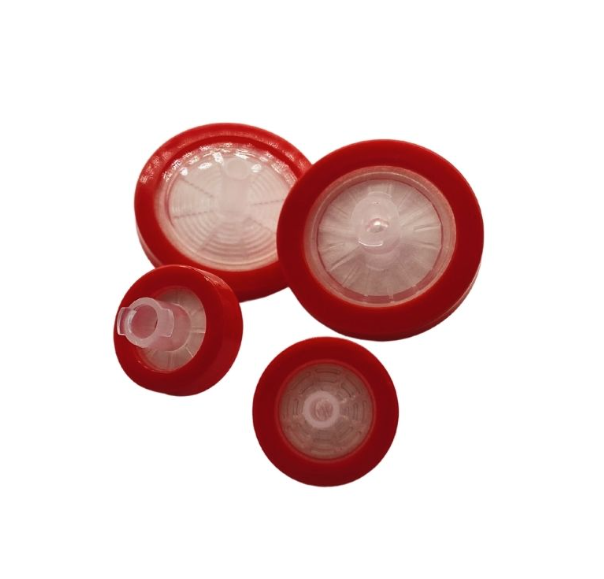
✦ Syringe filter diameter: 4, 13, 17, 25, 30, 33, 50mm
✦ Features: High flow rate | High throughput → not easily clogged | High retention rate (>99%) | High voltage withstand | Small retention volume | Low Dissolved Matter
AI Product Description
*The following content is generated by AI and is for reference only.
Hydrophilic polyvinylidene fluoride (PVDF) syringe filters are essential laboratory tools designed for the precise filtration of aqueous samples. Unlike standard hydrophobic membranes, these filters feature a surface chemistry that allows immediate wetting by water-based solutions without requiring pre-wetting with organic solvents. This characteristic makes them ideal for handling biological fluids, buffer solutions, and other polar liquids where rapid flow rates and high recovery rates are critical. The PVDF material offers excellent chemical resistance against a wide range of aggressive acids, bases, and solvents, ensuring sample integrity during preparation for analytical techniques such as High-Performance Liquid Chromatography (HPLC), Mass Spectrometry (MS), and spectroscopy.
Typically available in pore sizes ranging from 0.1 to 5.0 microns, these filters effectively remove particulate matter, bacteria, and cell debris while maintaining low protein binding properties. This low adsorption capability is particularly vital when analyzing trace analytes or expensive biological compounds, as it minimizes sample loss. The filters usually come in various housing materials, including polypropylene, which provides mechanical strength and compatibility with automated systems.
When using hydrophilic PVDF filters, strict adherence to safety protocols is necessary. Users must ensure the filter membrane is compatible with the specific solvent being filtered; although PVDF is robust, extreme pH levels or certain strong oxidizing agents may degrade the material over time. It is crucial to verify that the filter assembly is sterile if working with cell cultures or sensitive reagents. Additionally, operators should avoid exceeding the maximum pressure rating of the syringe barrel to prevent membrane rupture or housing deformation. Proper disposal according to local hazardous waste regulations is mandatory after use. By selecting the correct pore size and verifying chemical compatibility, researchers can achieve reliable, reproducible results in complex sample preparation workflows.





 (All Rights Reserved)