Product Description
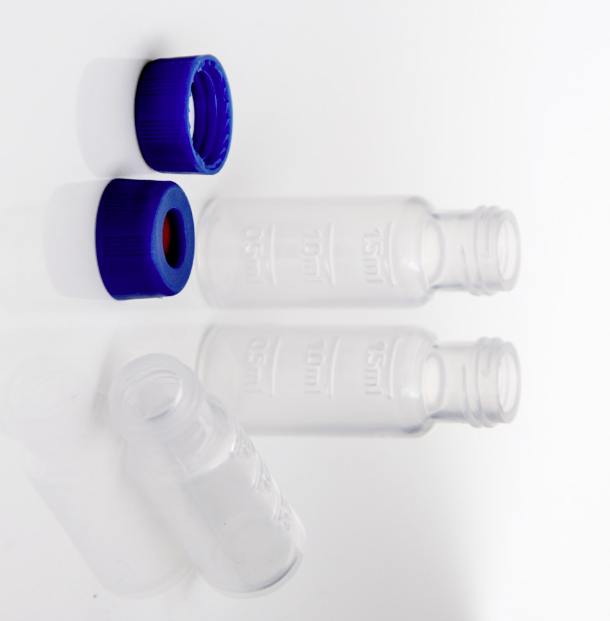
◊ Cap Options: Screw top, snap top, and crimp top.
◊ Glass Insert Options: Optional glass inserts ensure sensitive samples only contact high-quality glass for purity.
◊ Enhanced Sample Recovery: Conical design minimizes residual volume, maximizing sample extraction.
◊ Wide Applications: Ideal for pH-sensitive and metal analyses in pharmaceutical, environmental, and biopharmaceutical industries
AI Product Description
*The following content is generated by AI and is for reference only.
Polypropylene vials are essential laboratory containers widely utilized across chemical analysis, pharmaceutical research, and environmental testing sectors. Constructed from high-density polypropylene (PP), these vessels offer exceptional chemical resistance against a broad spectrum of organic solvents, acids, and bases, making them ideal for storing sensitive samples without risk of degradation or leaching. Their primary application lies in High-Performance Liquid Chromatography (HPLC) and Gas Chromatography (GC) systems, where they serve as the critical interface between the sample and the analytical instrument. The inherent stability of PP ensures that sample integrity is maintained during storage and transport, preventing contamination that could skew experimental results.
A defining feature of these vials is their compatibility with automated liquid handling systems and robotic samplers. Their precise dimensional tolerances allow for seamless integration into autosamplers, ensuring consistent positioning and accurate injection volumes. Furthermore, polypropylene is chosen over glass in many scenarios due to its shatter-resistant nature, significantly reducing safety hazards associated with breakage in busy laboratory environments. They are frequently paired with screw caps featuring septa made of PTFE/silicone composites, which provide an excellent seal to prevent evaporation and protect volatile compounds from atmospheric exposure.
When handling these vials, several precautions must be observed to ensure optimal performance. Although PP is chemically robust, it is generally not recommended for use with strong oxidizing agents like concentrated nitric acid or highly polar solvents such as chloroform at elevated temperatures, as these can cause stress cracking or swelling. Additionally, users should avoid exposing the vials to extreme heat sources beyond their specified thermal limits, typically around 135°C, to prevent deformation. Before use, it is crucial to inspect the vial for any micro-cracks or defects that might compromise the seal. Proper cleaning protocols are also vital; while disposable vials are preferred for single-use applications to eliminate cross-contamination risks, reusable ones must be thoroughly rinsed with appropriate solvents and dried before subsequent use. Adhering to these guidelines guarantees reliable data acquisition and extends the lifespan of laboratory equipment.





 (All Rights Reserved)