Product Description
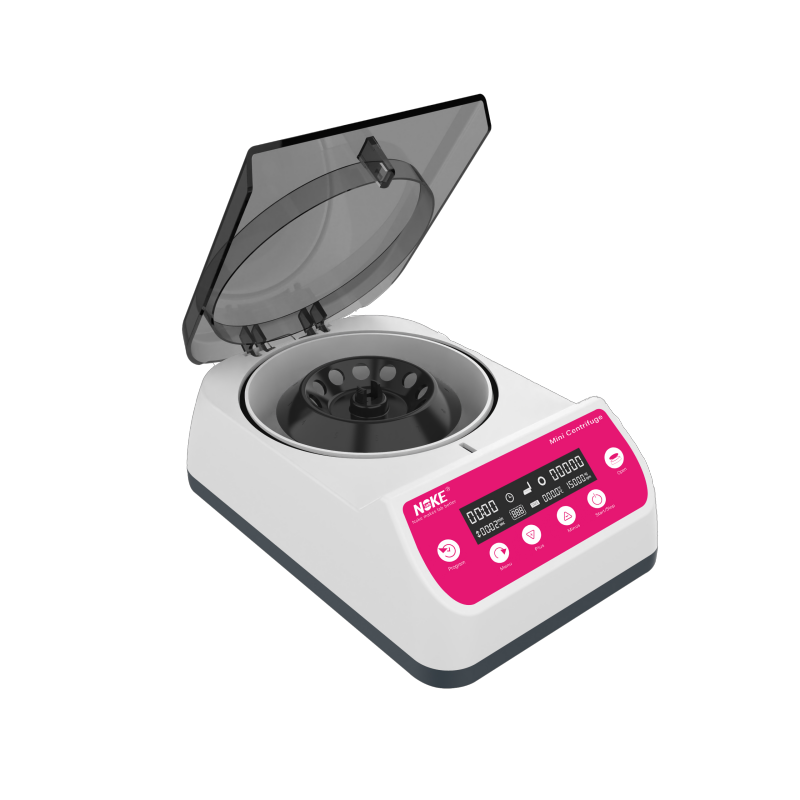
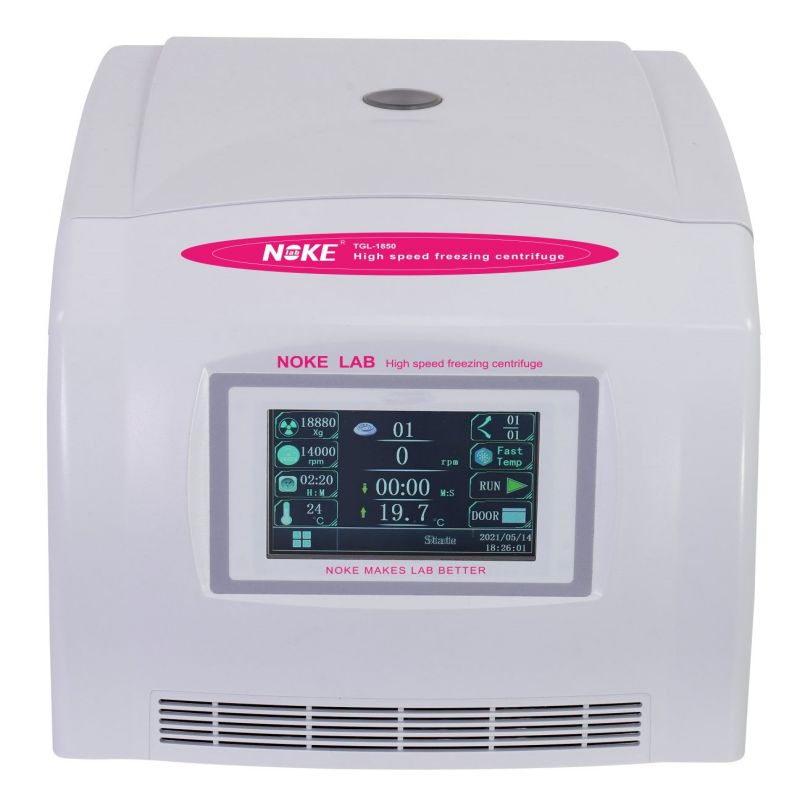
>Compact design,light weight
>Variable frequency motor,micro processor control
>LCD touch screen for viewing and setting parameters
>Servo lid lock
>RCF can be set directly
>User can reset parameters when rotor is spinning
>User can store often-used centrifugation program
AI Product Description
*The following content is generated by AI and is for reference only.
The refrigerated high-speed centrifuge is a critical piece of laboratory instrumentation designed for the separation, purification, and analysis of biological and chemical samples. By generating powerful centrifugal forces while maintaining precise temperature control, this device enables researchers to isolate components such as cells, organelles, proteins, and nucleic acids from complex mixtures without inducing thermal degradation. The integrated cooling system ensures that sensitive specimens remain within a set temperature range, typically between 4°C and room temperature, preserving sample integrity during rapid spinning processes that can reach speeds exceeding 18,000 revolutions per minute.
These instruments are indispensable in fields ranging from clinical diagnostics and pharmaceutical research to molecular biology and environmental testing. They facilitate essential procedures like plasma separation, virus purification, and DNA extraction, serving as a cornerstone for modern biomedical discovery. The ability to handle various rotor types allows for flexibility in processing different tube sizes and volumes, accommodating everything from microplates to large-capacity bottles.
Operation requires strict adherence to safety protocols to prevent equipment failure or personal injury. Users must always ensure that tubes are perfectly balanced before operation; even minor imbalances can cause severe vibration, potentially damaging the machine or causing catastrophic rotor failure. It is crucial to inspect rotors regularly for signs of corrosion or fatigue and never exceed the maximum rated speed or relative centrifugal force (RCF) specified for a particular rotor. Additionally, all lids must be securely closed prior to启动 to avoid aerosol release or mechanical ejection. Regular maintenance, including cleaning the chamber and checking the cooling system, is vital for optimal performance. Proper training and adherence to manufacturer guidelines regarding load distribution and emergency stop procedures are mandatory to ensure both user safety and data reliability in any high-throughput laboratory environment.





 (All Rights Reserved)