Product Description
Pharmaceutical
Raw Materials and Intermediates
AI Product Description
*The following content is generated by AI and is for reference only.
N4-Benzoylcytosine is a specialized chemical derivative of the essential nucleobase cytosine, widely utilized in organic synthesis and biochemical research. With the molecular formula C10H9N3O2 and a precise molecular weight of approximately 203.19 g/mol, this compound serves as a critical intermediate in the preparation of modified nucleosides and pharmaceutical agents. The Chemical Abstracts Service (CAS) registry number for N4-Benzoylcytosine is 2586-37-0, ensuring its unique identification across global scientific databases and inventory systems.
The primary utility of N4-Benzoylcytosine lies in its role as a protecting group donor or acceptor during complex synthetic pathways. In the field of medicinal chemistry, it is frequently employed to synthesize antiviral and anticancer drugs, where the modification of the cytosine structure enhances stability and bioavailability. The benzoyl group attached to the nitrogen atom at the fourth position provides steric bulk and electronic modulation, which can significantly influence the reactivity and solubility of the resulting compounds. This makes it an indispensable reagent for researchers developing novel oligonucleotide therapeutics and high-performance liquid chromatography (HPLC) standards.
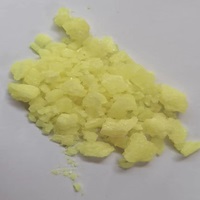
Furthermore, N4-Benzoylcytosine acts as a key building block in the production of isotopically labeled nucleotides used in metabolic tracing studies. Its application extends to the study of DNA repair mechanisms and enzyme kinetics, where specific structural modifications allow scientists to track biological processes with high precision. As a solid-state compound, it typically appears as a white to off-white crystalline powder, offering good thermal stability under standard storage conditions. While not a commercial drug itself, its contribution to the advancement of nucleic acid chemistry is profound. Researchers must handle this substance with appropriate safety precautions, adhering to laboratory protocols for handling aromatic amides and potential irritants. Overall, N4-Benzoylcytosine remains a cornerstone reagent for advancing knowledge in genomics, pharmacology, and synthetic biology, facilitating the creation of next-generation therapeutic molecules.






 (All Rights Reserved)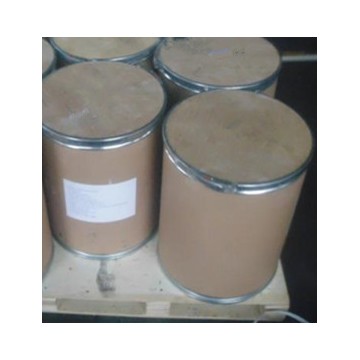







![6,8-Dioxo-5,7-diazaspiro[3.4]octane-2-carboxylic acid](https://eimg.pharmasources.com/image/product/20250403/02effeb5a7639bc84ff1f3add3c0c64fjpg)
![8-Oxa-1,3-diazaspiro[4.5]decane-2,4-dione](https://eimg.pharmasources.com/image/product/20250403/60fa7223d5a34f24138486ceea0ffb15jpg)




![8,16-Diazadispiro[6.1.6.2]heptadecan-17-one](https://eimg.pharmasources.com/image/product/20250403/ca91cba8b87e53fc879f8d8764873a40jpg)
