Product Description
CAS No. 106-94-5
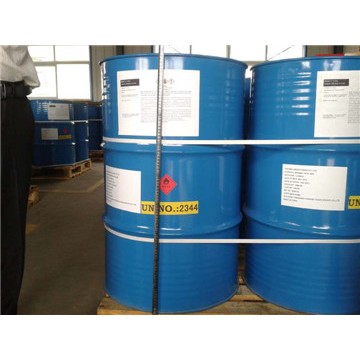
Packing: 250kg steel drum
Specification:
Appearance:Colorless and transparent liquid
Assay: ≥99.50%
Moisture: ≤100ppm
Iso Propyl Bromide: ≤100ppm
Usage: Mainly used to produce cleaning solvents and pesticide Profenofos.
Hazardous Class: 3.2
UN No. 2344
AI Product Description
*The following content is generated by AI and is for reference only.
N-Propyl Bromide, chemically known as 1-bromopropane or n-propyl bromide, is a colorless, volatile liquid with a distinct ether-like odor. Its molecular formula is C₃H₇Br, and it carries the CAS Registry Number 106-94-5. This organobromine compound features a straight-chain three-carbon backbone with a bromine atom attached to the terminal carbon, making it a primary alkyl halide. Physically, it exhibits low viscosity and high volatility, possessing a boiling point of approximately 71°C and a density slightly lower than water. It is practically insoluble in water but dissolves readily in common organic solvents such as ethanol, ether, and benzene.
Historically, N-Propyl Bromide has been widely utilized in industrial applications due to its excellent solvent properties and ability to dissolve oils, greases, and fluxes without damaging sensitive electronic components. It served as a primary degreasing agent in metal cleaning processes and was extensively employed in adhesive formulations and paint strippers. In laboratory settings, it acts as a crucial reagent for organic synthesis, particularly in nucleophilic substitution reactions where it serves as an alkylating agent to introduce propyl groups into various molecular structures. Additionally, it finds niche use in the production of pharmaceuticals and agrochemicals.
However, significant regulatory changes have impacted its usage in recent years. Due to concerns regarding toxicity, including potential neurotoxicity and reproductive hazards, many jurisdictions, including the United States under OSHA guidelines and the European Union under REACH, have severely restricted or banned its use in open industrial processes. Consequently, the chemical industry is increasingly transitioning toward safer alternatives like hydrofluoroethers or bio-based solvents for cleaning applications. Despite these restrictions, it remains available for specialized research and controlled manufacturing environments where strict safety protocols are enforced. Proper handling requires ventilation systems, personal protective equipment, and adherence to environmental regulations to mitigate exposure risks and prevent atmospheric contamination.




 (All Rights Reserved)




![5,6,7,7a-Tetrahydro thieno[3,2-c]pyridin-2(4H)-one Hydrochloride](https://eimg.pharmasources.com/img_Cphi_en/Product/2016_02/Mimg_1602021058457992.jpg)