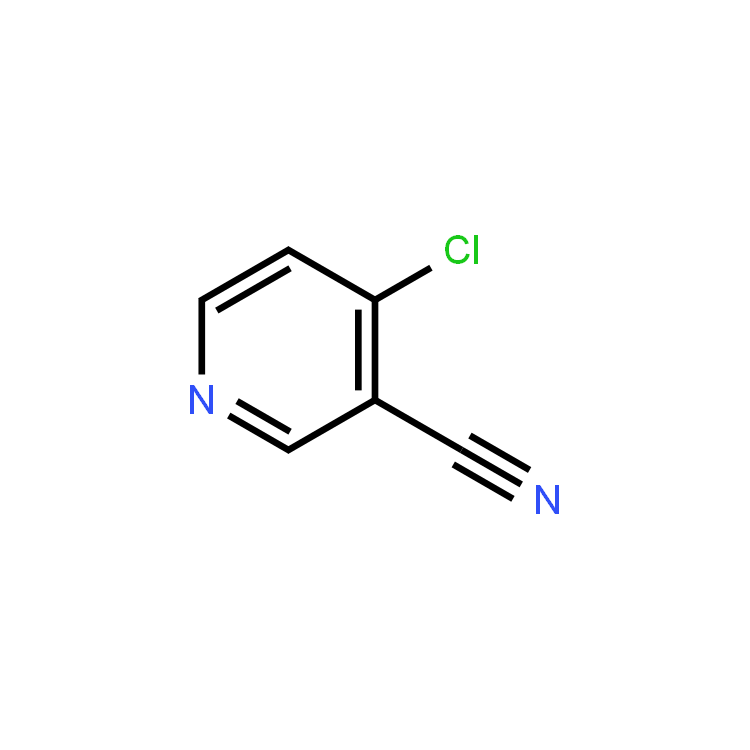
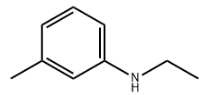
Using M-toluidine as raw material, it is heated in the reactor, and added bromoethane solution at a certain temperature. After reflux for a few hours, it is neutralized by lye. After separation, the finished product is obtained by rectification.
*The following content is generated by AI and is for reference only.
N-ethyl-m-toluidine, chemically known as 3-ethylaniline or N-ethyl-3-methylaniline, is a specialized organic compound widely utilized in the fine chemical and pharmaceutical industries. With the molecular formula C9H13N and a CAS registry number of 624-70-8, this liquid amine serves as a crucial intermediate in the synthesis of various complex molecules. Structurally, it features an ethyl group attached to the nitrogen atom of a meta-toluidine backbone, which significantly influences its reactivity and physical properties compared to its parent aniline derivatives.
The primary application of N-ethyl-m-toluidine lies in the manufacturing of dyes, particularly azo dyes used for textile and leather coloring. Its specific substitution pattern allows for precise color tuning and enhanced stability in finished products. Beyond dye production, this compound is extensively employed in the pharmaceutical sector as a building block for synthesizing active pharmaceutical ingredients (APIs). It plays a vital role in creating heterocyclic compounds that exhibit therapeutic potential in treating various conditions. Additionally, it finds utility in the agrochemical industry as a precursor for certain herbicides and pesticides, contributing to crop protection strategies.
From a safety perspective, N-ethyl-m-toluidine must be handled with care due to its potential toxicity and skin absorption risks. It is classified as a hazardous substance requiring appropriate personal protective equipment during handling, storage, and transportation. Proper ventilation systems are essential to prevent inhalation of vapors, which can cause irritation to the respiratory tract. While not a commodity chemical available in bulk quantities like simple solvents, its niche applications make it indispensable for high-value chemical synthesis. Researchers and industrial chemists value its unique reactivity profile, which facilitates efficient coupling reactions and functional group transformations. As demand for specialized intermediates grows in the global market, N-ethyl-m-toluidine remains a key component in the supply chain for advanced material development and drug discovery initiatives.






 (All Rights Reserved)





![8,16-Diazadispiro[6.1.6.2]heptadecan-17-one](https://eimg.pharmasources.com/image/product/20250403/ca91cba8b87e53fc879f8d8764873a40jpg)
![6,8-Dioxo-5,7-diazaspiro[3.4]octane-2-carboxylic acid](https://eimg.pharmasources.com/image/product/20250403/02effeb5a7639bc84ff1f3add3c0c64fjpg)
![8-Oxa-1,3-diazaspiro[4.5]decane-2,4-dione](https://eimg.pharmasources.com/image/product/20250403/60fa7223d5a34f24138486ceea0ffb15jpg)