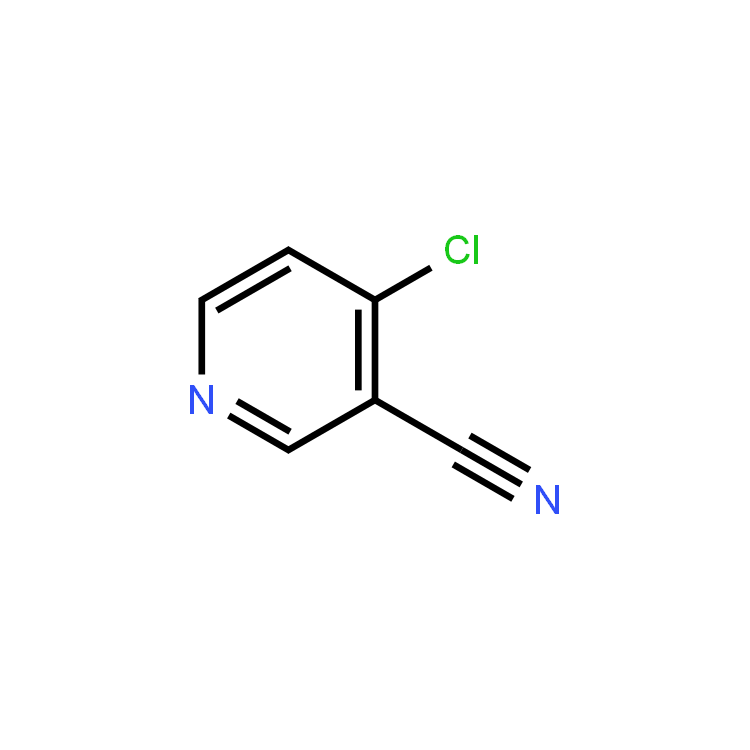
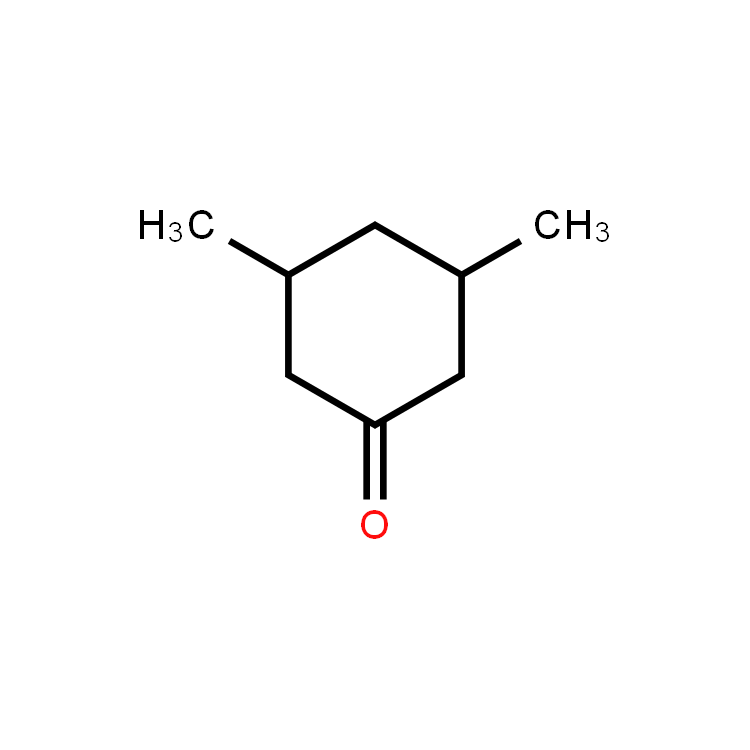
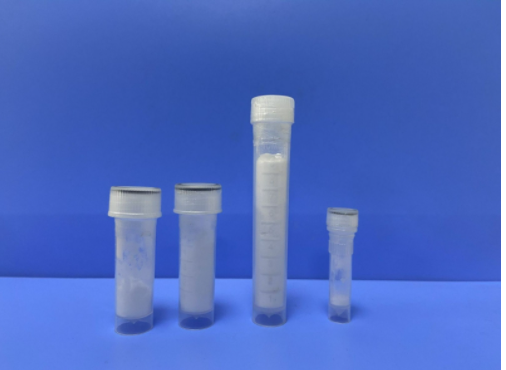
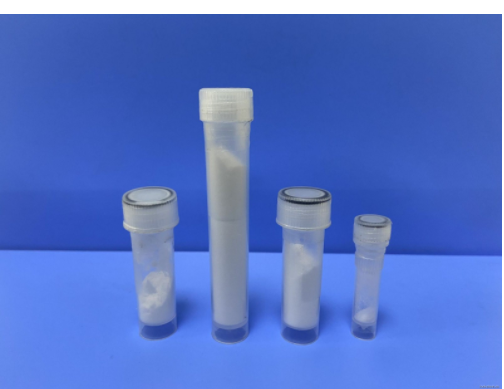
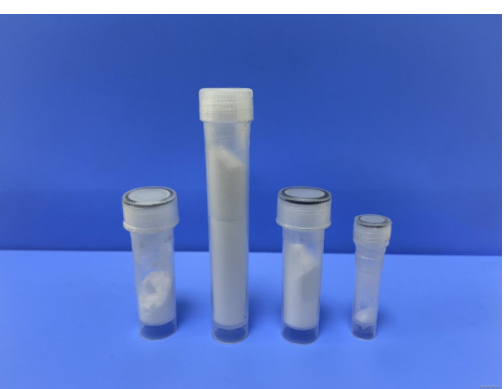
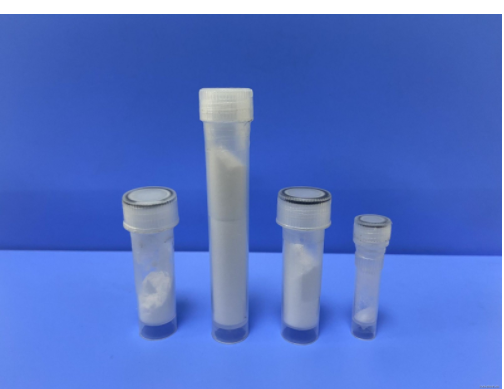
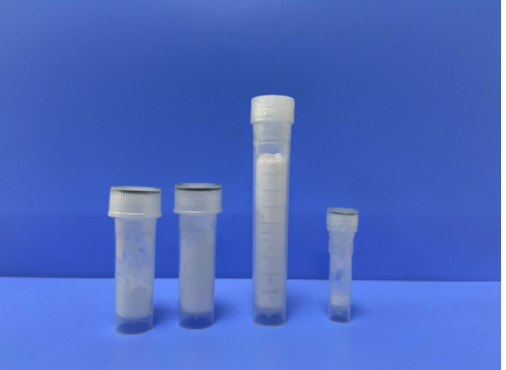
Brand: Gutuo Appearance: white solid Storage: shading, cool and dry, sealed and stored Purity: ≥99% Main use: pharmaceutical intermediates Executive standard: enterprise standard Specification: 25kg/barrel or 1kg/bag (subject to customer requirements) Sales scope: nationwide
*The following content is generated by AI and is for reference only.
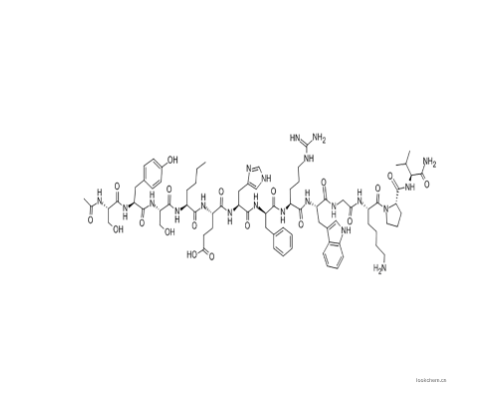
Mu-conotoxin is a potent neurotoxic peptide derived from the venom of marine cone snails, specifically belonging to the conotoxin superfamily. These toxins are renowned for their high specificity and affinity toward voltage-gated sodium channels, making them invaluable tools in neuroscience research. The primary molecular structure of mu-conotoxins typically consists of a short peptide chain stabilized by three disulfide bridges, which confer exceptional structural rigidity and resistance to proteolytic degradation. While specific variants may differ slightly in amino acid sequence, the general molecular formula often centers around C45H68N12O10S3 or similar compositions depending on the exact isoform, with an approximate molecular weight near 900 Daltons. A definitive CAS number for the generic class is not universally assigned as it varies by specific subtype (e.g., mu-IIIa), but individual purified isoforms possess unique registry numbers ranging between 150,000 and 200,000 ranges.
The principal application of mu-conotoxin lies in its ability to block neuronal sodium channels, effectively inhibiting action potential propagation. This mechanism renders it a critical reagent for studying ion channel physiology, pharmacology, and the pathophysiology of neurological disorders such as epilepsy and chronic pain. Researchers utilize these peptides to map sodium channel subtypes and to develop novel analgesics that target specific channel isoforms without affecting cardiac function. Furthermore, due to their species-specific activity, they serve as essential probes in drug discovery programs aiming to create non-opioid pain relievers. Unlike many broad-spectrum toxins, mu-conotoxins offer a level of selectivity that allows scientists to dissect complex neural circuits with precision. Their stability also makes them suitable for long-term experimental protocols requiring consistent biological activity. Despite their potency, careful handling is required due to their lethal nature in vivo. As research into venom-derived therapeutics expands, mu-conotoxins remain at the forefront of developing next-generation treatments for intractable pain conditions, bridging the gap between natural venom chemistry and advanced pharmaceutical innovation.





 (All Rights Reserved)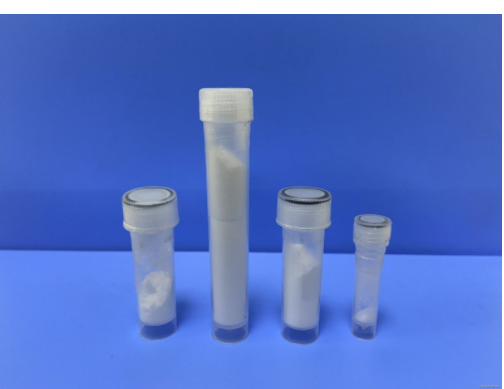

![6,8-Dioxo-5,7-diazaspiro[3.4]octane-2-carboxylic acid](https://eimg.pharmasources.com/image/product/20250403/02effeb5a7639bc84ff1f3add3c0c64fjpg)
![8-Oxa-1,3-diazaspiro[4.5]decane-2,4-dione](https://eimg.pharmasources.com/image/product/20250403/60fa7223d5a34f24138486ceea0ffb15jpg)
![8,16-Diazadispiro[6.1.6.2]heptadecan-17-one](https://eimg.pharmasources.com/image/product/20250403/ca91cba8b87e53fc879f8d8764873a40jpg)