Product Description
Pharmaceutical
Raw Materials and Intermediates
AI Product Description
*The following content is generated by AI and is for reference only.
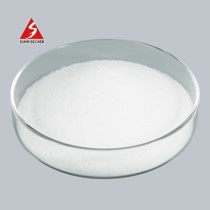
Medroxyprogesterone Acetate (MPA) is a widely utilized synthetic progestin, chemically derived from progesterone. Its molecular formula is C24H34O4, and it is identified by the CAS number 71-58-9. This compound belongs to the class of 17-alpha-hydroxyprogesterone derivatives and functions as a potent agonist for the progesterone receptor. As a key pharmaceutical agent, MPA plays a critical role in reproductive health management across various clinical settings.
The primary applications of Medroxyprogesterone Acetate include contraception, hormone replacement therapy (HRT), and the treatment of gynecological disorders. In contraceptive formulations, such as the injectable Depo-Provera, MPA effectively prevents ovulation by inhibiting the release of gonadotropins from the pituitary gland. It also thickens cervical mucus, creating a barrier that impedes sperm penetration. For menopausal women, MPA is frequently combined with estrogen in HRT regimens to alleviate vasomotor symptoms like hot flashes while protecting the endometrium from hyperplasia caused by unopposed estrogen therapy.
Furthermore, this drug is indicated for the management of abnormal uterine bleeding associated with hormonal imbalance and is used in palliative care for advanced, metastatic endometrial carcinoma or breast cancer. By modulating the hypothalamic-pituitary-gonadal axis, MPA helps regulate menstrual cycles and treat conditions such as endometriosis and secondary amenorrhea. The drug is available in multiple dosage forms, including oral tablets, intramuscular injections, and subcutaneous implants, offering flexibility in treatment duration and patient compliance. While generally well-tolerated, potential side effects may include weight gain, mood changes, irregular bleeding, and an increased risk of thromboembolic events. Long-term use requires careful monitoring due to possible impacts on bone mineral density and metabolic profiles. Despite these considerations, Medroxyprogesterone Acetate remains a cornerstone in modern gynecology and oncology, providing essential therapeutic options for millions of patients worldwide seeking effective hormonal regulation and cancer management strategies.

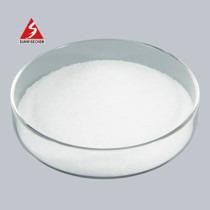




 (All Rights Reserved)
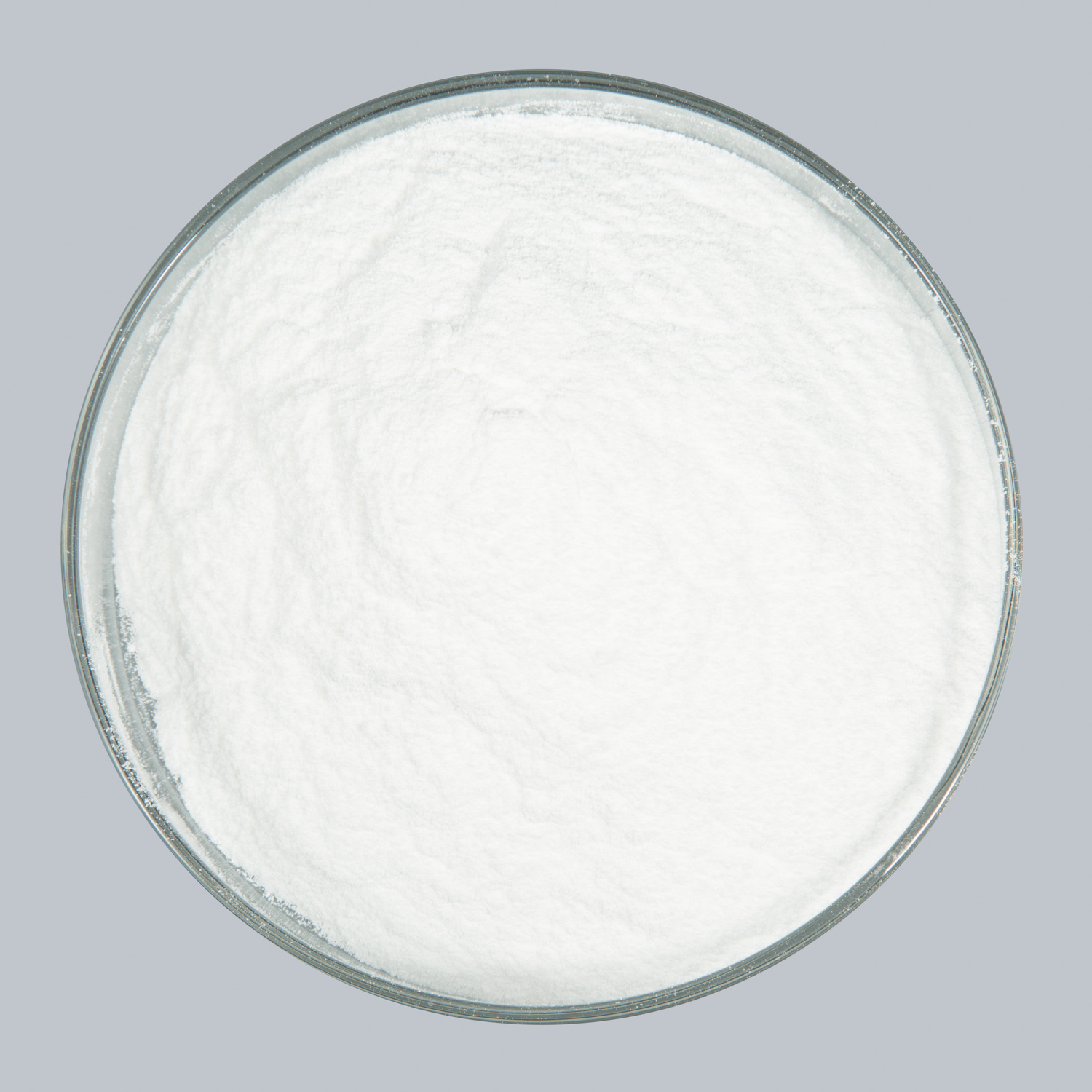
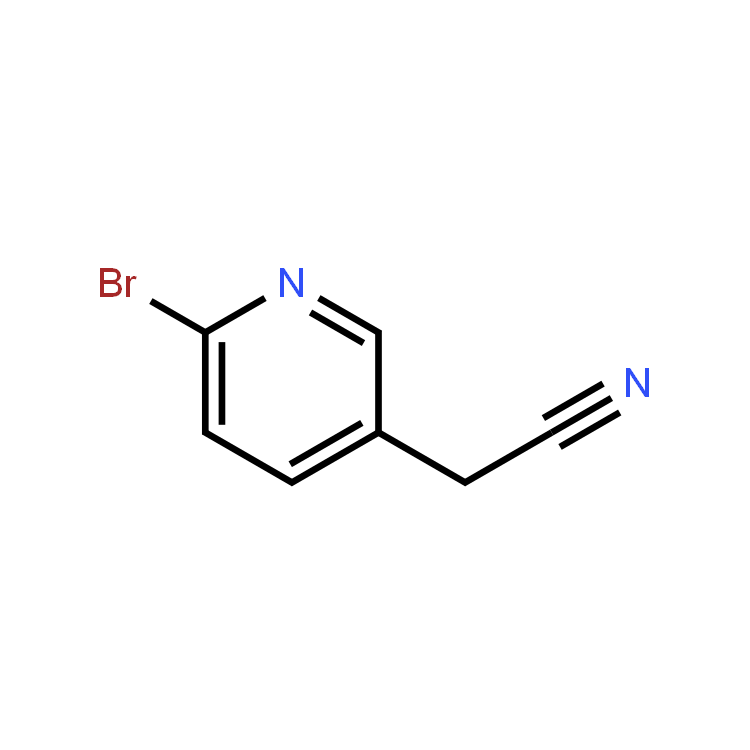
![8,16-Diazadispiro[6.1.6.2]heptadecan-17-one](https://eimg.pharmasources.com/image/product/20250403/ca91cba8b87e53fc879f8d8764873a40jpg)
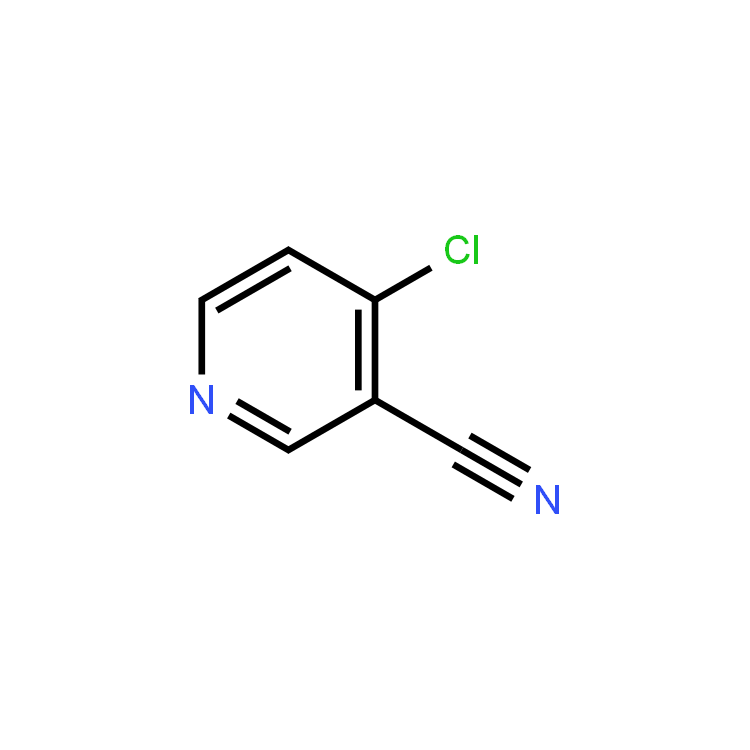
![8-Oxa-1,3-diazaspiro[4.5]decane-2,4-dione](https://eimg.pharmasources.com/image/product/20250403/60fa7223d5a34f24138486ceea0ffb15jpg)
![6,8-Dioxo-5,7-diazaspiro[3.4]octane-2-carboxylic acid](https://eimg.pharmasources.com/image/product/20250403/02effeb5a7639bc84ff1f3add3c0c64fjpg)
