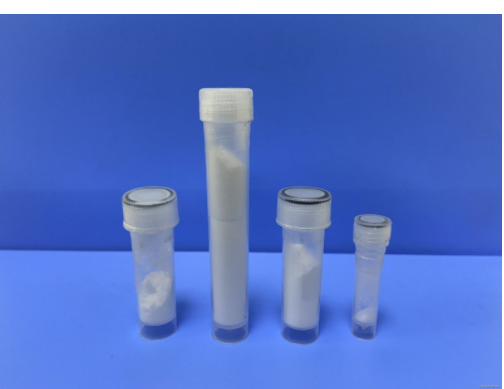
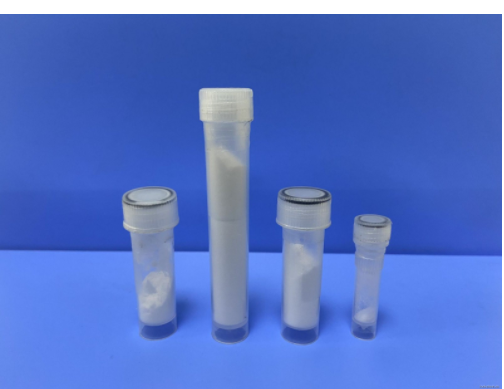
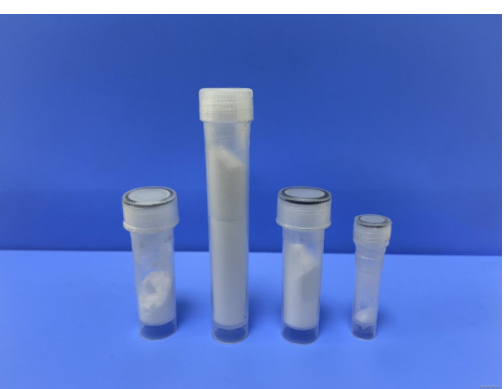
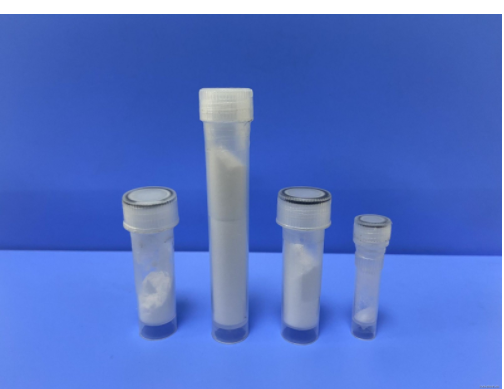
Product Description
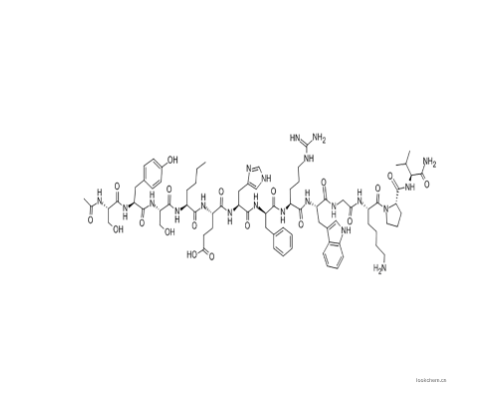
Magainin 1 is one of the antibacterial peptides in nature. It was originally an antibacterial and amphiphilic peptide isolated from the skin of Xenopus laevis. It is a peptide fragment composed of 23 amino acids. Studies have shown that Magainin 1 shows antibiotic activity against a variety of Gram-negative and Gram-positive bacteria, and has a strong application prospect.
AI Product Description
*The following content is generated by AI and is for reference only.
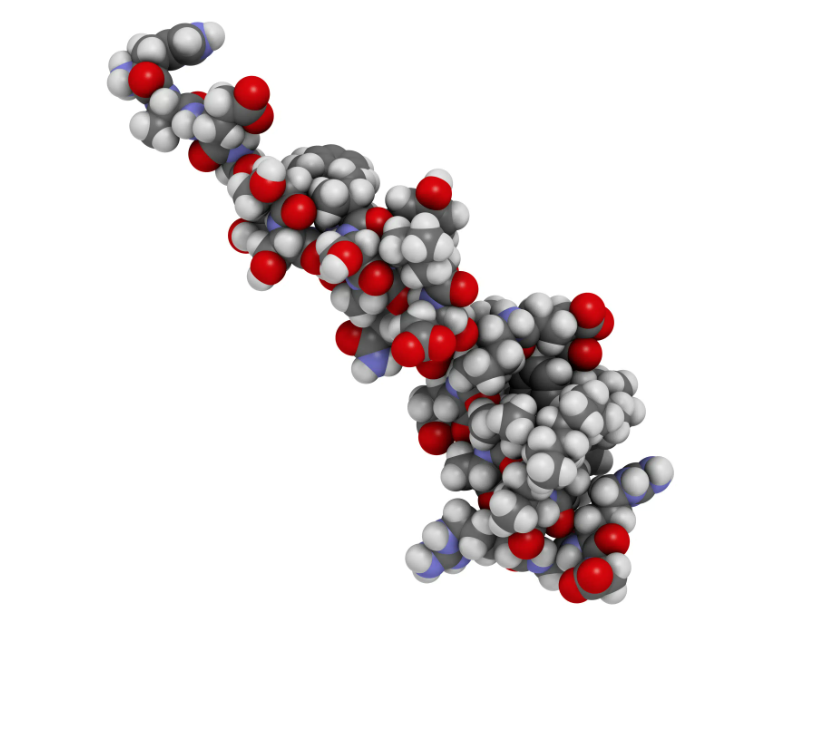
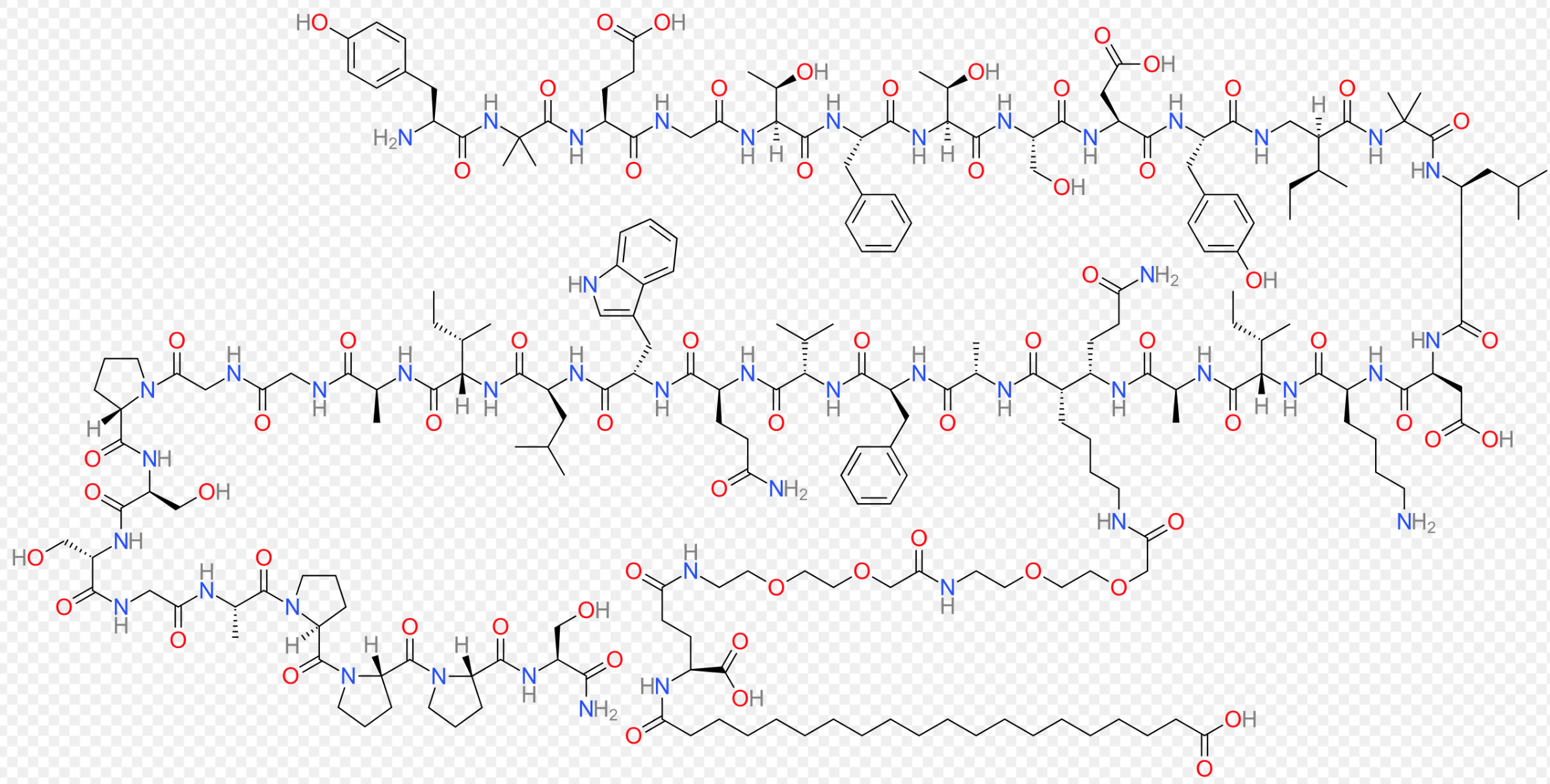
Magainin I is a naturally occurring antimicrobial peptide originally isolated from the skin secretions of the African clawed frog, *Xenopus laevis*. With the Chemical Abstracts Service (CAS) registry number 137862-54-5, this cationic peptide consists of 23 amino acid residues and possesses a molecular formula of C₁₂₄H₂₀₆N₃₈O₃₇S. Structurally, Magainin I adopts an amphipathic alpha-helical conformation in lipid environments, which is critical for its biological activity. The molecule features a distinct hydrophobic face that interacts with microbial membranes and a hydrophilic face that remains exposed to the aqueous environment, facilitating selective targeting of pathogens while minimizing toxicity to mammalian cells.
The primary mechanism of action involves the disruption of bacterial cell membranes. Upon binding to the negatively charged phospholipids abundant in bacterial surfaces, Magainin I inserts itself into the membrane bilayer. This interaction leads to the formation of transient pores or channels, causing rapid leakage of intracellular contents such as ions and metabolites, ultimately resulting in cell death. Due to this unique mode of action, bacteria find it difficult to develop resistance against Magainin I compared to traditional antibiotics that target specific enzymatic pathways.
Consequently, Magainin I holds significant promise in biomedical research and therapeutic development. It is widely studied for its potential application in treating multidrug-resistant infections, including those caused by *Staphylococcus aureus* and *Escherichia coli*. Beyond antibacterial properties, it also exhibits antiviral and antifungal activities, broadening its utility as a broad-spectrum antimicrobial agent. Researchers are actively exploring synthetic analogs and conjugates of Magainin I to enhance stability, potency, and pharmacokinetic profiles for clinical use. Furthermore, its biocompatibility makes it suitable for inclusion in wound healing dressings, coatings for medical devices, and topical formulations aimed at preventing surgical site infections. As global antibiotic resistance escalates, Magainin I represents a vital class of bio-inspired therapeutics offering a sustainable alternative to conventional small-molecule drugs.





 (All Rights Reserved)