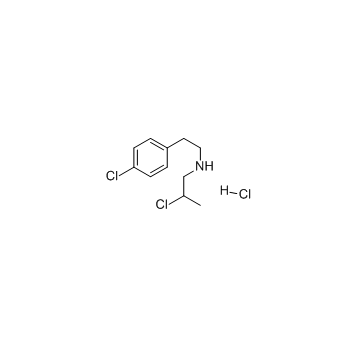
Name: 2-chloro-N-(4-chlorophenethyl)propan-1-amine hydrochloride; intermediate of Lorcaserin
CAS: 953789-37-2
Chemical Formula: C11H16Cl3N
Molecular Weight: 268.61
Purity(HPLC): 99.0%
Character: white powder
*The following content is generated by AI and is for reference only.
Lorcaserin intermediate refers to a critical chemical precursor utilized in the synthesis of lorcaserin hydrochloride, an appetite suppressant formerly marketed under the brand name Belviq. While lorcaserin was withdrawn from the global market in 2020 due to safety concerns regarding carcinogenicity, its intermediates remain significant in pharmaceutical research and historical chemical analysis. The most prominent intermediate is typically identified as (S)-4-(3-chlorophenyl)-1,2,3,4-tetrahydroisoquinoline or related derivatives depending on the specific synthetic pathway employed by manufacturers. These compounds serve as essential building blocks for constructing the core isoquinoline structure characteristic of the final drug molecule.
The molecular formula of the primary intermediate often cited in literature corresponds to C15H14ClN, with a CAS number frequently associated around 86907-46-8, though exact identifiers can vary based on the specific regioisomer or salt form used in production. This substance appears as a white to off-white crystalline powder, characterized by high purity requirements suitable for Good Manufacturing Practice (GMP) environments. Its primary utility lies in organic chemistry laboratories dedicated to medicinal chemistry, where it facilitates the development of novel serotonin receptor agonists or serves as a reference standard for quality control protocols.
In the context of current scientific inquiry, these intermediates are valuable for studying metabolic pathways, synthesizing analogues for comparative toxicity testing, or conducting retrospective analyses of legacy pharmaceutical batches. Researchers utilize them to understand the structural nuances that influence biological activity at the 5-HT2C receptor. Despite the discontinuation of the parent drug, the study of its precursors contributes to broader knowledge in heterocyclic chemistry and drug design safety assessments. Suppliers generally provide these materials with detailed certificates of analysis, ensuring they meet strict specifications for molecular weight, optical purity, and impurity profiles. Consequently, Lorcaserin intermediates continue to play a niche but vital role in academic research and forensic investigations within the pharmaceutical sector.



 (All Rights Reserved)
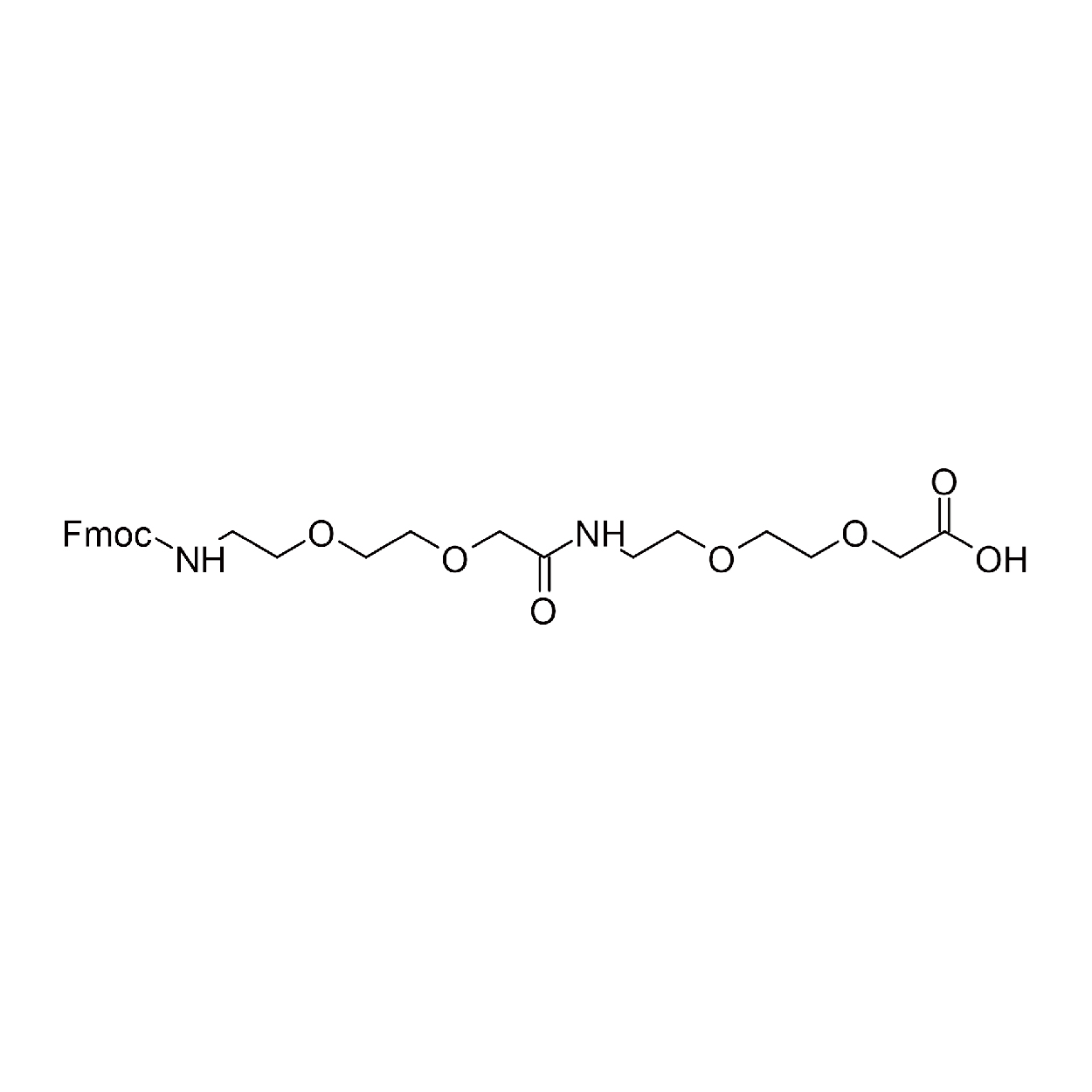
![[2-(2-{2-[2-(2-aminoethoxy)ethoxy]acetylamino}ethoxy)ethoxy]acetic acid (AEEA-AEEA)](https://eimg.pharmasources.com/image/20240829/batA8xEaMOU6N5EhRdllEM0wxOeOtYyAL8a4Mb0g.jpg)
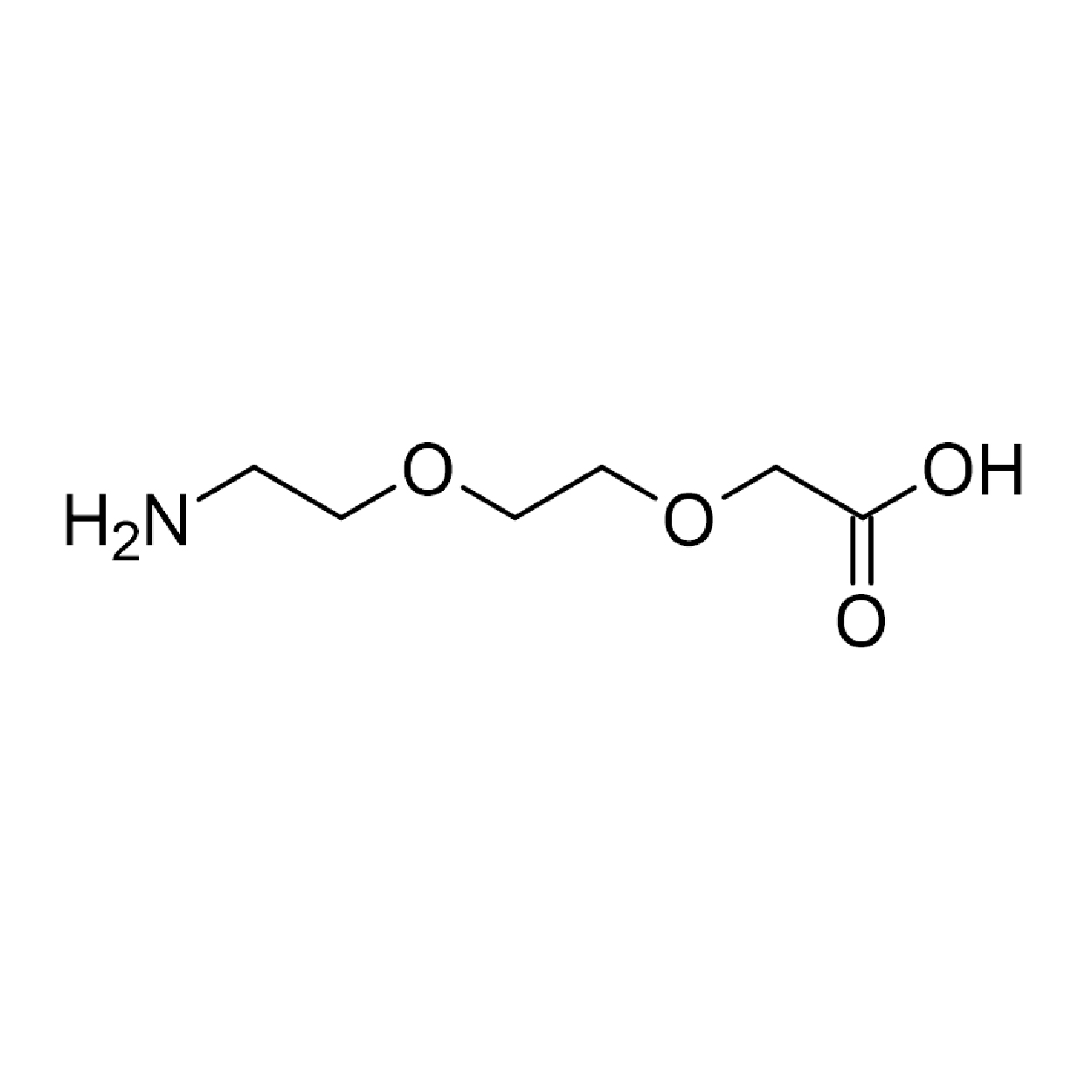
![5,6,7,7a-Tetrahydro thieno[3,2-c]pyridin-2(4H)-one Hydrochloride](https://eimg.pharmasources.com/img_Cphi_en/Product/2016_02/Mimg_1602021058457992.jpg)