Product Description
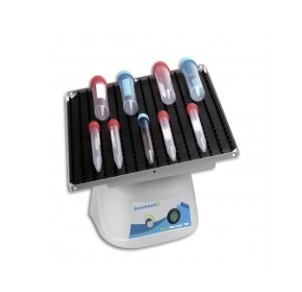
Large capacity agitator is mainly used to realize the mixing, mixing and reaction of materials, to meet the needs of industrial production, it uses efficient mixing paddle design, can achieve fast and uniform mixing effect, save manpower, material resources, improve production efficiency.
AI Product Description
*The following content is generated by AI and is for reference only.
The Large-Capacity Stirrer is a robust industrial-grade mixing device engineered to handle high-viscosity fluids and substantial volume batches in diverse manufacturing sectors. Primarily utilized in chemical processing, pharmaceutical production, food and beverage manufacturing, and water treatment facilities, this equipment ensures uniform homogeneity by effectively blending components that standard laboratory stirrers cannot manage. Its defining feature is the powerful motor capable of driving large impellers at variable speeds, allowing operators to tailor shear rates for specific applications ranging from gentle suspension of solids to vigorous emulsification of oils and aqueous solutions.
Constructed from durable materials such as stainless steel or specialized polymers, these units are designed to withstand harsh chemical environments and continuous operation cycles. The design often includes a heavy-duty base to prevent vibration during high-torque operations, ensuring stability even when processing dense slurries. Many models feature digital control panels that offer precise speed regulation, timer functions, and safety interlocks, enhancing operational efficiency and reproducibility across large-scale production runs.
Safety and proper maintenance are critical when operating large-capacity stirrers. Operators must always ensure the vessel is securely clamped before activation to prevent catastrophic tipping or spillage. It is imperative to verify that the stirring element does not contact the container walls or bottom excessively, which could cause mechanical damage or generate unwanted heat due to friction. Before starting, users should confirm that the liquid level is within the recommended range; running the unit dry or with insufficient fluid can lead to motor overheating and seal failure. Furthermore, regular inspection of drive belts, bearings, and electrical connections is necessary to detect wear early. Always adhere to lockout/tagout procedures during any maintenance or cleaning activities to avoid accidental engagement. By following these guidelines, manufacturers can maximize the lifespan of their equipment while maintaining consistent product quality and workplace safety standards in demanding industrial environments.






 (All Rights Reserved)