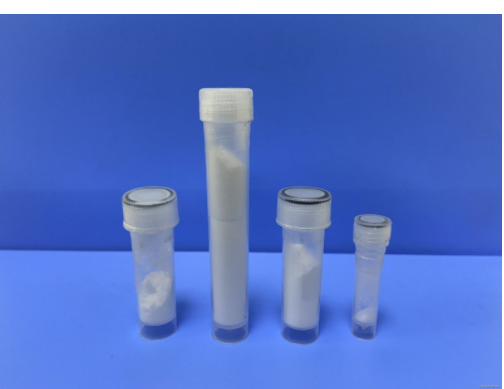
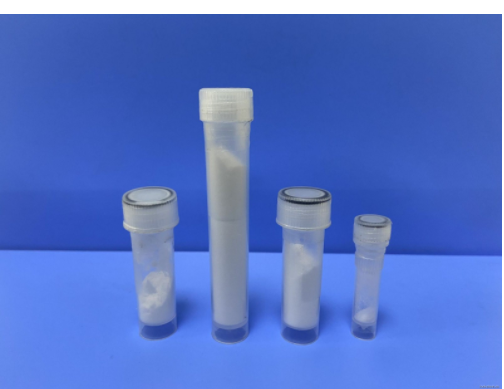
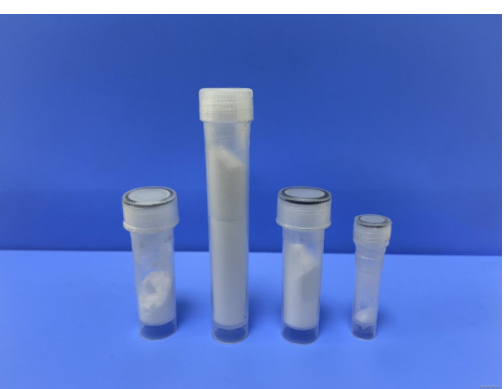
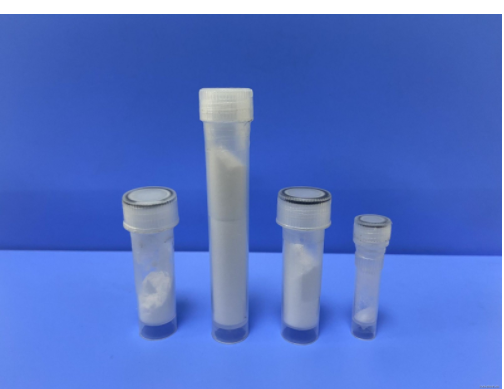
Product Description
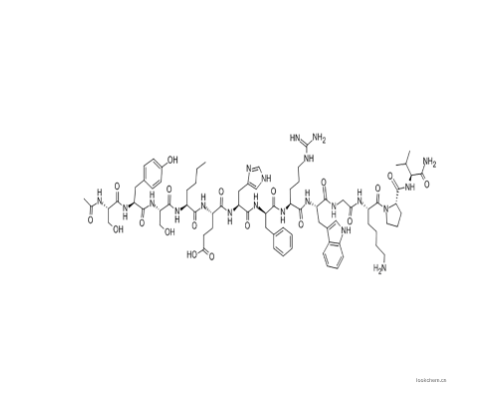
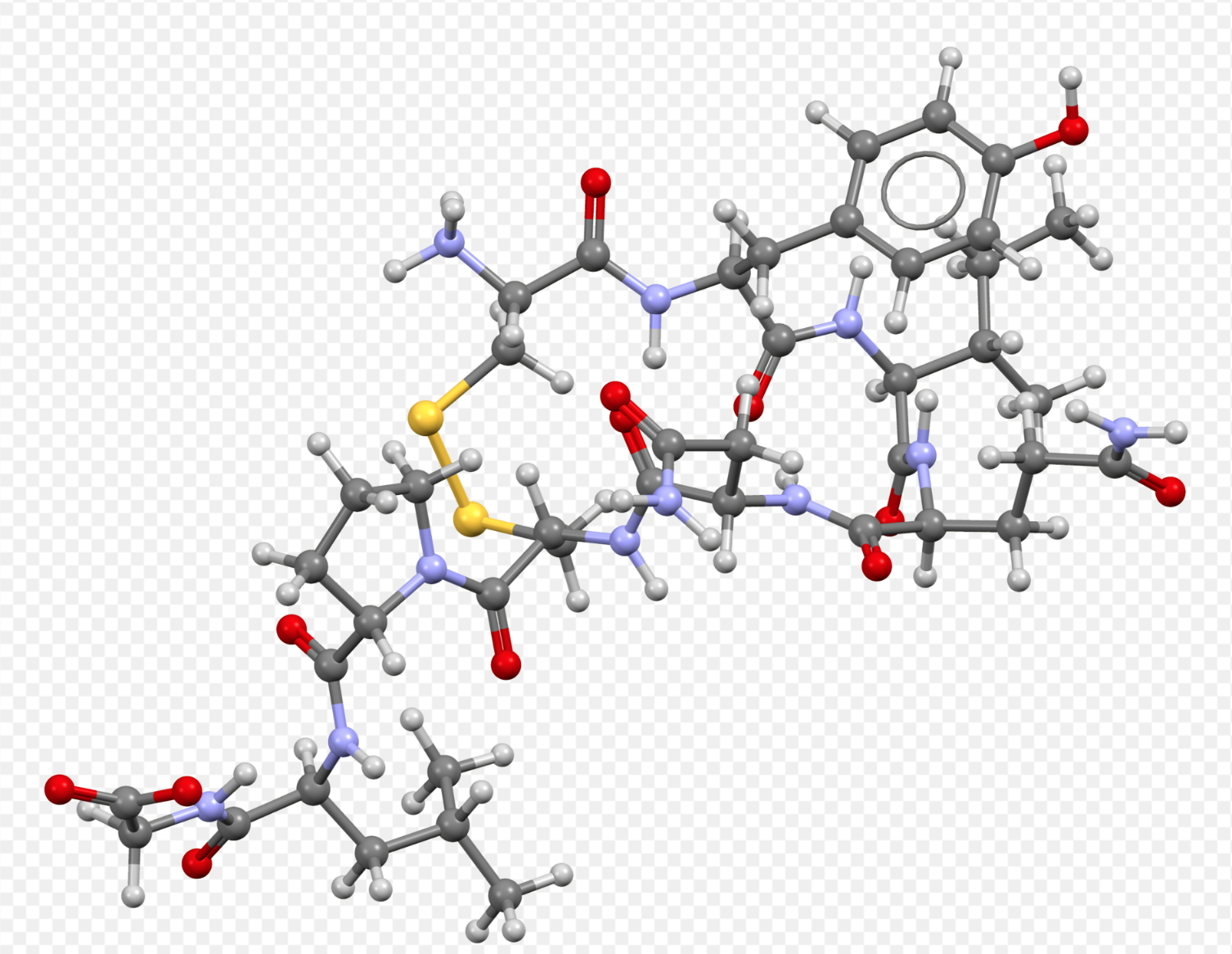
Larazotide belongs to an inhibitor peptide, which is a peptide sequence composed of 8 amino acids. It is also the only main raw material for the development of stage III clinical treatment drugs for celiac disease. In the living body, Larazotide can promote the normalization and tight connection of intestinal cells in patients with celiac disease, and prevent the decomposition of gluten, a prolamin, into the systemic circulation and cause inflammation.
AI Product Description
*The following content is generated by AI and is for reference only.
Larazotide acetate, identified by the unique identifier UNII-ZN3R5560ZV, is a synthetic peptide drug candidate primarily developed to treat celiac disease and enhance intestinal barrier function. Its chemical structure corresponds to the molecular formula C24H37N5O9S2, with a molecular weight of approximately 587.7 g/mol. The compound acts as a potent and selective antagonist of zonulin receptors, specifically targeting the Zonulin Receptor (ZOH) pathway. In healthy individuals and those with autoimmune conditions like celiac disease, zonulin levels are often elevated, leading to increased permeability of the tight junctions between epithelial cells in the gut lining. By blocking these receptors, Larazotide effectively reduces intestinal permeability, preventing the translocation of gliadin peptides and other antigens into the bloodstream, which triggers the inflammatory response characteristic of celiac disease.
Clinically, Larazotide has been investigated extensively in Phase II trials for patients with active celiac disease who must adhere to a gluten-free diet but still experience symptoms due to accidental gluten exposure. Unlike traditional treatments that rely solely on strict dietary avoidance, Larazotide offers a pharmacological approach to mitigate the damage caused by gluten ingestion. Research indicates that it can significantly reduce gastrointestinal symptoms such as bloating, abdominal pain, and diarrhea while improving histological markers of intestinal health. Furthermore, its mechanism of action suggests potential applications beyond celiac disease, including adjunctive therapy for necrotizing enterocolitis in premature infants and protection against chemotherapy-induced mucositis. Although not yet approved globally as a standard-of-care treatment, ongoing studies continue to evaluate its long-term safety and efficacy profile. As a non-systemic agent acting locally within the gut lumen, Larazotide presents a promising therapeutic strategy for managing disorders associated with compromised intestinal barrier integrity, offering hope for improved quality of life for millions suffering from related pathologies.





 (All Rights Reserved)