Product Description
Lanreotide (also known as Somatuline) is a man made (synthetic) version of the natural hormone somatostatin. It slows down the production of hormones, which helps to control the symptoms of carcinoid syndrome.
AI Product Description
*The following content is generated by AI and is for reference only.
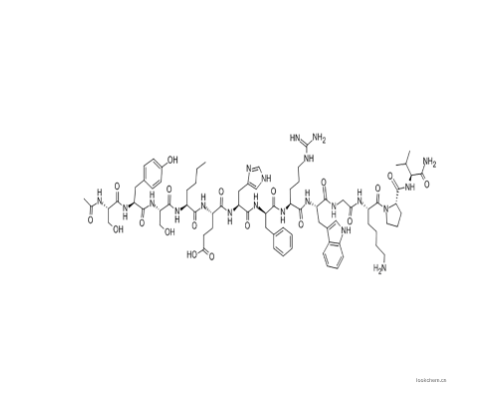
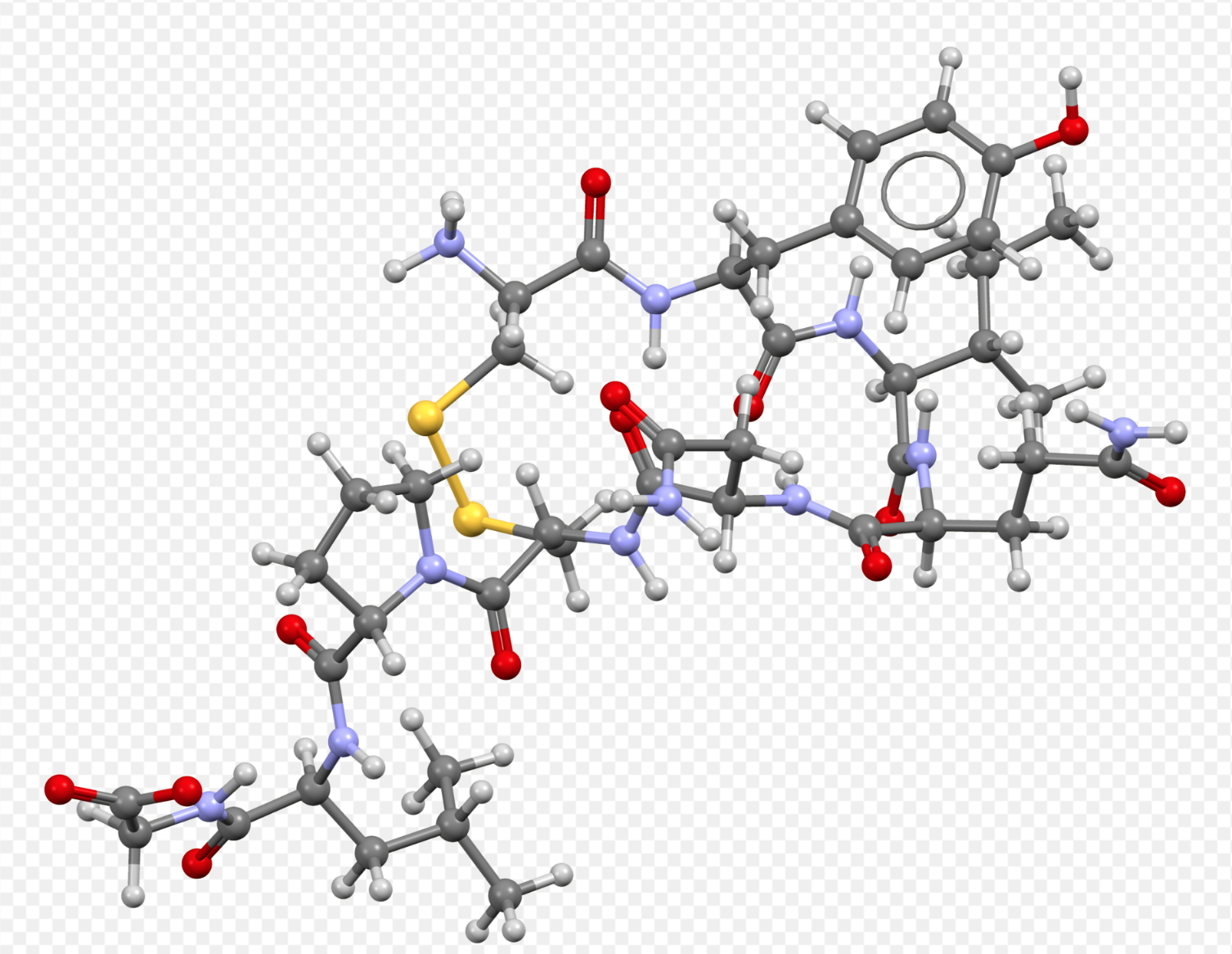
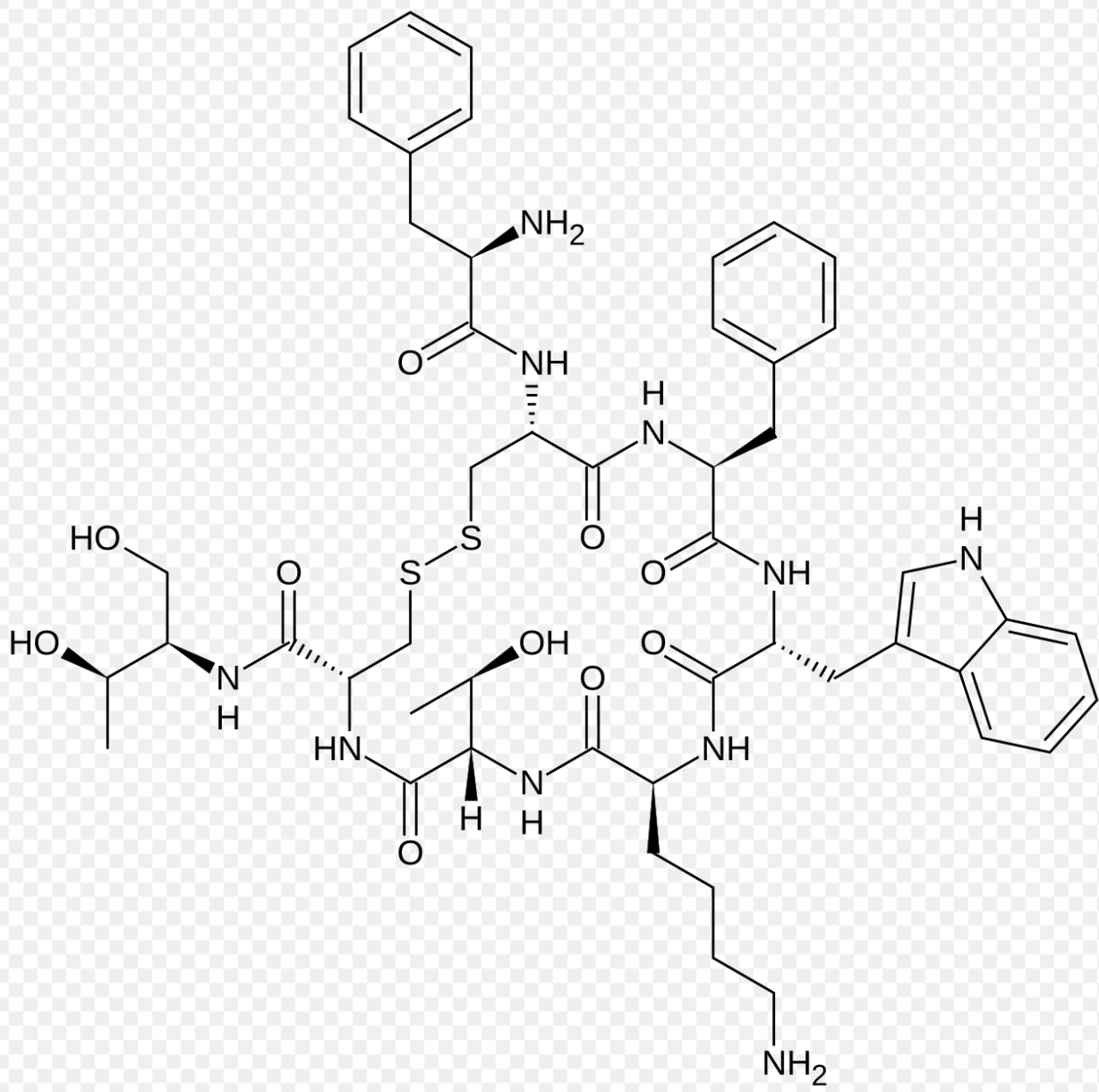
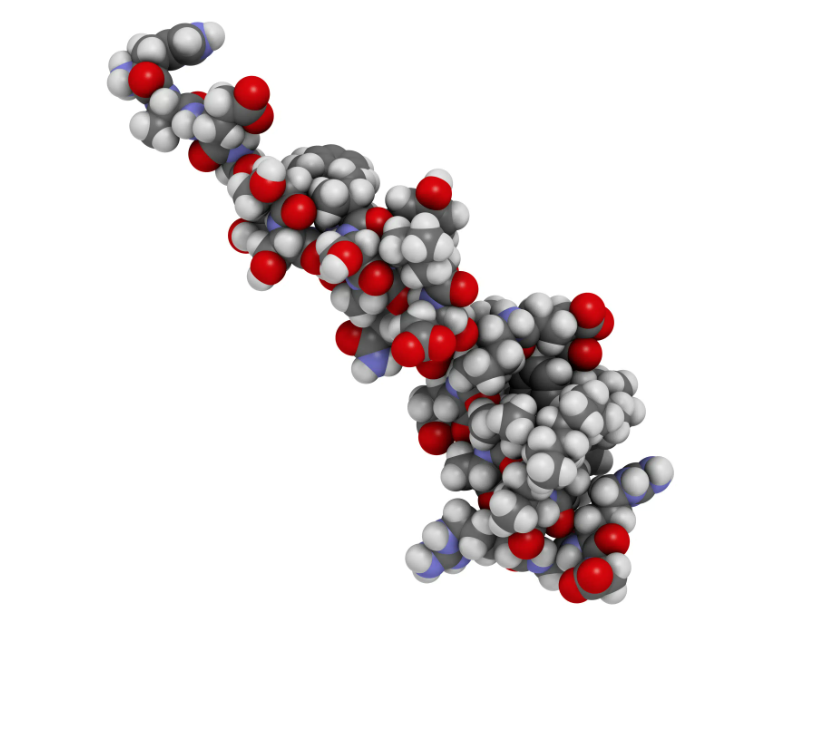
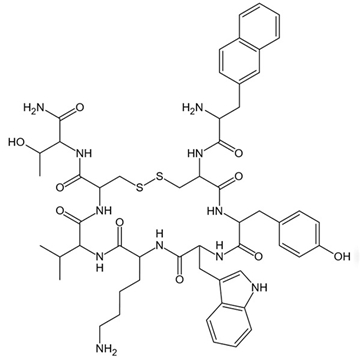
Lanreotide Acetate is a synthetic analog of the naturally occurring peptide hormone somatostatin, specifically designed to mimic its inhibitory effects on various endocrine and exocrine functions. With the chemical formula C76H109N23O18S5·CH3COOH and the CAS Registry Number 125824-84-2, this compound represents a significant advancement in the management of neuroendocrine disorders. Structurally, it features a modified amino acid sequence that enhances metabolic stability and prolongs biological half-life compared to native somatostatin, allowing for less frequent administration schedules such as deep subcutaneous injections every four weeks.
The primary clinical utility of Lanreotide Acetate lies in the treatment of acromegaly, a condition caused by excessive secretion of growth hormone from the pituitary gland. By binding with high affinity to somatostatin receptors, particularly subtypes 2 and 5, it effectively suppresses growth hormone release and reduces insulin-like growth factor 1 (IGF-1) levels, thereby alleviating symptoms like joint pain, soft tissue swelling, and organ enlargement. Beyond acromegaly, it is widely utilized to control tumor-related symptoms in patients with gastroenteropancreatic neuroendocrine tumors (GEP-NETs), including carcinoid syndrome characterized by severe diarrhea and flushing. Furthermore, emerging research suggests potential applications in managing other hormone-secreting tumors, such as VIPomas and glucagonomas, where hormonal excess drives pathological processes.
As a critical therapeutic agent, Lanreotide Acetate offers a well-tolerated profile with manageable side effects, which may include gastrointestinal disturbances, gallbladder abnormalities, or injection site reactions. Its long-acting depot formulation significantly improves patient compliance and quality of life by reducing the frequency of dosing while maintaining consistent serum concentrations. The drug remains a cornerstone in modern endocrinology, providing essential disease control for patients with complex neuroendocrine pathologies who require sustained suppression of hormone hypersecretion. Continuous pharmacological studies continue to refine its usage protocols, ensuring optimal outcomes for diverse patient populations globally.





 (All Rights Reserved)