Product Description
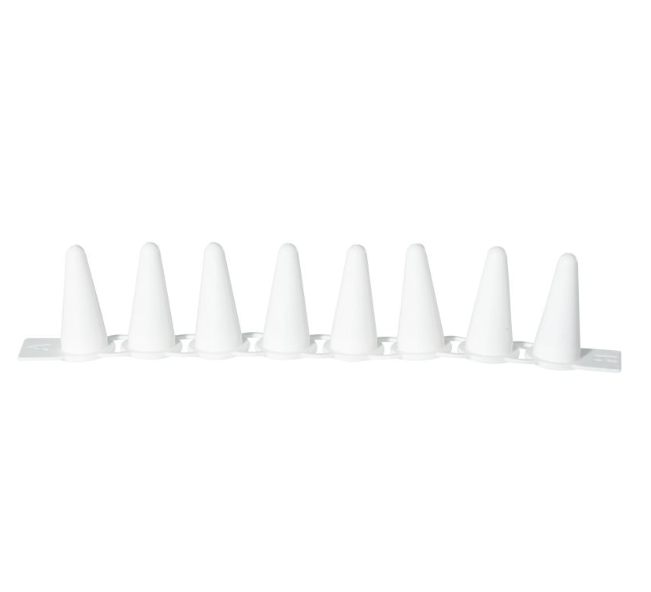
Made of clean PP material, thin wall and uniform thickness can keep good heat transfer.0.2ml strips is
available in two types: Transparent and white, respectively applicable to normal PCR and real-time
PCR(qPCR) reaction.Good sealing performance of the 8-strip while lid closed. Easy to open the cap
without contamination.Sterilized by Gamma radiation.Sterilized by Gamma radiation.
AI Product Description
*The following content is generated by AI and is for reference only.
These 0.1 mL PCR tube strips are essential laboratory consumables designed for high-throughput polymerase chain reaction (PCR) and other nucleic acid amplification workflows. Constructed from optically clear, ultra-pure polypropylene, they feature a low profile to ensure rapid thermal transfer during cycling, which is critical for achieving consistent denaturation, annealing, and extension temperatures. The four-strip format allows researchers to process multiple samples simultaneously while maintaining compatibility with standard 96-well thermal cyclers, thereby streamlining experimental setups and reducing pipetting errors.
A defining characteristic of these tubes is their robust sealing capability. Many models include dome-shaped caps or flat lids that provide a secure seal against evaporation, preventing sample loss during extended heating cycles. This airtight integrity also minimizes the risk of cross-contamination between wells, ensuring the reliability of sensitive genetic analyses such as qPCR, RT-PCR, and genotyping. The transparent material facilitates visual inspection of reagents and reactions without compromising UV transparency, making them suitable for real-time fluorescence detection when used with appropriate optical-grade instruments.
When handling these strips, it is imperative to avoid touching the inner walls or rims to prevent contamination by human DNA or RNases. Always use filtered pipette tips to maintain sample purity. Prior to loading, ensure the strips are properly seated in the thermal cycler block to guarantee uniform heat distribution; misalignment can lead to temperature gradients that skew results. While generally compatible with most standard protocols, users should verify cap tightness after initial heating if working with volatile reagents. Furthermore, these tubes are typically single-use only; reusing them can introduce carryover contamination or structural fatigue, leading to leaks. Proper disposal in biohazard waste containers is required after use. By adhering to these guidelines, scientists can maximize data accuracy and reproducibility in molecular biology applications ranging from diagnostic testing to basic research.





 (All Rights Reserved)