Product Description
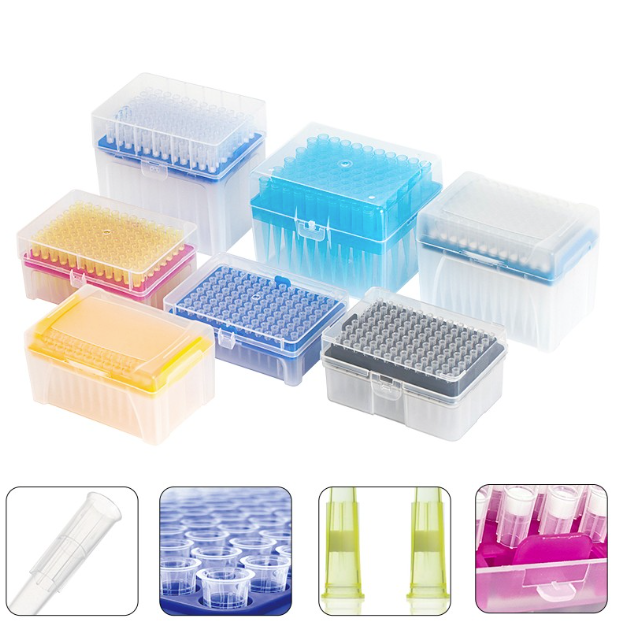
Universal pipette tips are made of Polypropylene (PP) and designed to suit for single and multichannel pipettes for transfering samll amounts of liquid in laboratory. And we supply DNAse/RNAse-free pipette tip, sterile pipette tip,non-sterile pipette tips, graduated pipette tips are suitable for most brands including Glison, Eppendorf, Thermo, BioHit and so on.
AI Product Description
*The following content is generated by AI and is for reference only.
These high-precision laboratory pipette tips are engineered for the accurate and reliable transfer of liquid volumes up to 1000 microliters, making them an essential component in modern molecular biology, clinical diagnostics, and chemical analysis workflows. The defining feature of this specific design is its extended length, which measures approximately 71 millimeters. This extra reach allows researchers to access deep-well plates, tall test tubes, and narrow-necked reagent bottles without risk of cross-contamination or accidental contact between the pipette body and the vessel walls. Such accessibility is critical when working with limited sample volumes or when performing repetitive tasks in crowded laboratory settings where standard-length tips might be too short to function effectively.
A key innovation incorporated into these tips is the integrated hydrophobic filter located near the tip end. This specialized membrane acts as a physical barrier against aerosols and liquid droplets that can otherwise migrate back into the pipette barrel during aspiration. By preventing sample carryover and protecting the internal mechanism of the pipette from corrosive chemicals, biological fluids, or volatile solvents, the filter significantly extends the lifespan of expensive equipment and ensures data integrity by eliminating false positives caused by contamination. The tips are typically manufactured from medical-grade polypropylene, ensuring chemical resistance and durability under various temperature conditions, including freezing and autoclaving cycles depending on specific manufacturer specifications.
When handling these tools, users must ensure compatibility with their specific pipette models to guarantee a secure seal and prevent air leaks that could compromise volume accuracy. It is vital to avoid applying excessive force during insertion to prevent damage to the filter or deformation of the tip geometry. Furthermore, while the filter provides robust protection, it does not replace the need for proper pipetting technique; users should still employ smooth, consistent plunger movements to maintain precision. Regular inspection of the tips for cracks or defects before use is recommended to uphold the highest standards of experimental reproducibility and safety in any professional laboratory environment.





 (All Rights Reserved)