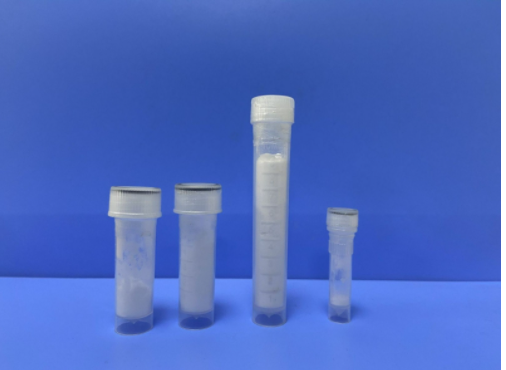
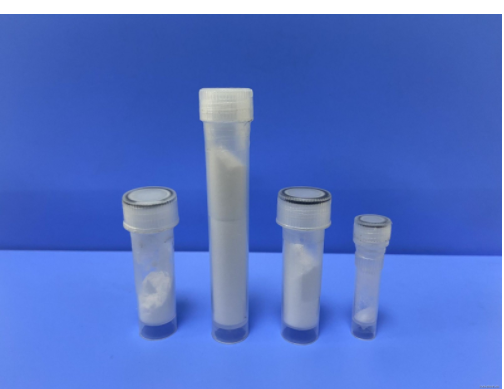
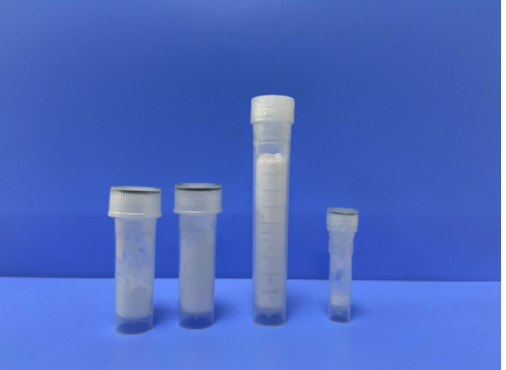
Brand: Gutuo Appearance: white solid Storage: shading, cool and dry, sealed and stored Purity: ≥99% Main use: pharmaceutical intermediates Executive standard: enterprise standard Specification: 25kg/barrel or 1kg/bag (subject to customer requirements) Sales scope: nationwide
*The following content is generated by AI and is for reference only.
N2-(1-oxohexadecyl)-L-lysine is a specialized lipidated amino acid derivative formed by the conjugation of L-serine and a hexadecanoyl group attached to the epsilon-amino position of L-lysine. While the specific nomenclature provided in queries sometimes contains minor variations regarding the serine moiety versus direct lysine acylation, this compound generally refers to an N-acyl lysine derivative featuring a C16 saturated fatty acid chain. The molecular formula for the core N-palmitoyl-L-lysine structure is typically C22H44N2O3, though exact stoichiometry depends on the precise protonation state and any additional modifications implied by the "serine" descriptor in the query, which may indicate a precursor or a specific metabolic intermediate. A definitive CAS number for this exact string requires verification against proprietary databases, as it often appears under related catalog numbers for lipidated amino acids used in research rather than as a standalone commercial commodity with a widely indexed public CAS.
This class of compounds serves critical roles in biochemical research, particularly in the study of protein-lipid interactions and membrane biology. N-acyl amino acids are essential tools for investigating post-translational modifications, specifically palmitoylation, which regulates protein trafficking, stability, and signaling pathways. In pharmaceutical development, these molecules act as potential inhibitors of specific enzymes or modulators of immune responses due to their amphiphilic nature. Their unique structure allows them to integrate into lipid bilayers while maintaining solubility characteristics suitable for cellular uptake studies. Furthermore, they are utilized in the synthesis of peptidomimetics and novel drug delivery systems designed to enhance bioavailability. Researchers employ these derivatives to model metabolic disorders associated with aberrant lipid metabolism or to explore the mechanisms of bacterial cell wall biosynthesis where similar lipid-amino acid conjugates are structural components. Due to their high specificity and reactivity, they are primarily available for laboratory use rather than general consumer applications, supporting advanced investigations in medicinal chemistry, structural biology, and lipidomics.





 (All Rights Reserved)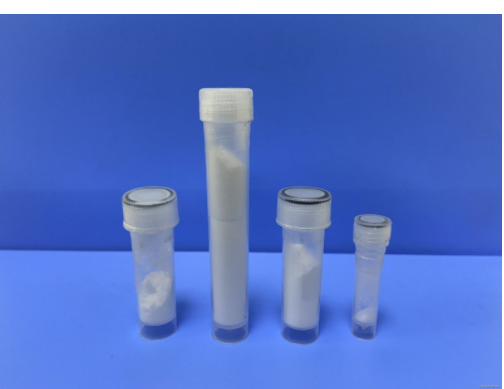


![8,16-Diazadispiro[6.1.6.2]heptadecan-17-one](https://eimg.pharmasources.com/image/product/20250403/ca91cba8b87e53fc879f8d8764873a40jpg)


![8-Oxa-1,3-diazaspiro[4.5]decane-2,4-dione](https://eimg.pharmasources.com/image/product/20250403/60fa7223d5a34f24138486ceea0ffb15jpg)

![6,8-Dioxo-5,7-diazaspiro[3.4]octane-2-carboxylic acid](https://eimg.pharmasources.com/image/product/20250403/02effeb5a7639bc84ff1f3add3c0c64fjpg)

