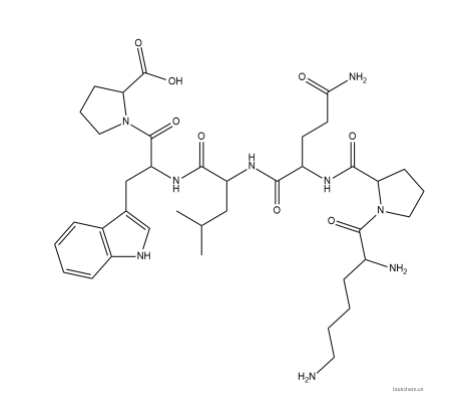
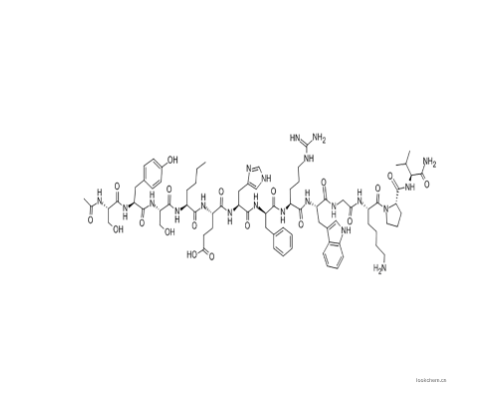
C - Reactive Protein (CRP), 201-206 is C - Reactive Protein fragment, 201-206 by six short peptide fragments of amino acids.
In clinical research, C - Reactive Protein can be as a marker of inflammation, is cardiovascular risk markers, may promote the formation of atherosclerosis.
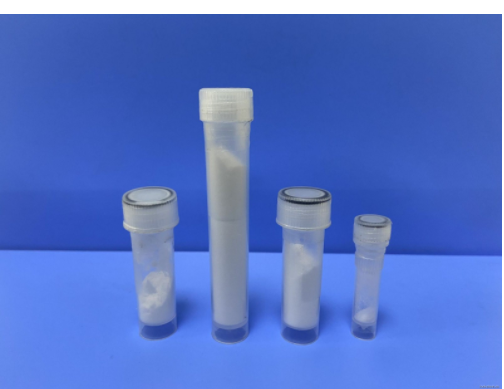
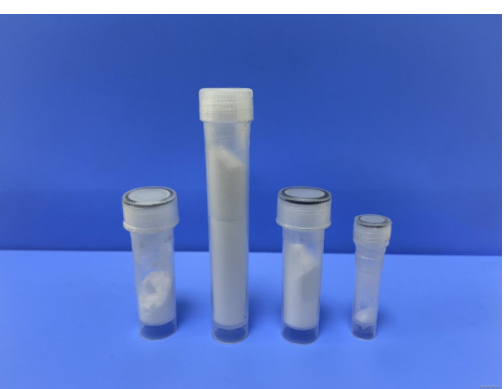
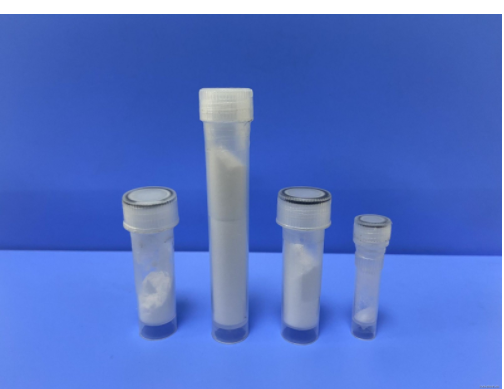
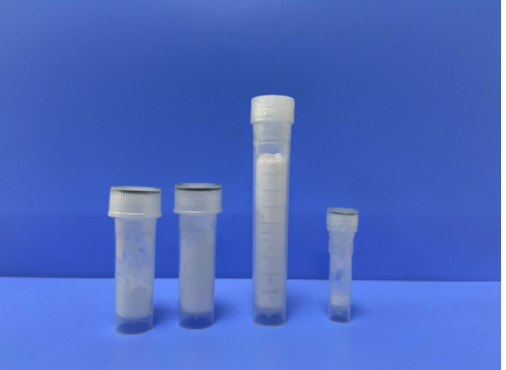
Storage: - 20 ℃ under freeze dry, avoid light preservation remark: used only for research, not for human body
*The following content is generated by AI and is for reference only.
L-Prolyl-L-lysyl-L-glutaminyl is a specialized tripeptide composed of the amino acids L-proline, L-lysine, and L-glutamine linked in a specific sequence. While exact commercial availability may vary, this peptide structure represents a significant component in advanced biochemical research and pharmaceutical development. The molecular formula for this specific tripeptide is approximately C18H32N6O7, reflecting the combined atomic composition of its constituent residues minus water molecules lost during peptide bond formation. Although a unique CAS number is often assigned to specific salt forms or proprietary preparations rather than the free base alone, it generally falls under regulatory categories for bioactive peptides used in laboratory settings.
The primary utility of such tripeptides lies in their role as substrates for enzymatic studies, particularly involving peptidases and proteases. Researchers utilize these sequences to investigate protein folding mechanisms, enzyme kinetics, and substrate specificity. In therapeutic contexts, peptides containing proline, lysine, and glutamine are frequently explored for their potential immunomodulatory effects and tissue repair capabilities. Proline contributes structural rigidity due to its cyclic nature, while lysine offers positive charge interactions essential for binding to cellular receptors. Glutamine serves as a crucial energy source for rapidly dividing cells, including immune cells and intestinal epithelium, making this combination potentially valuable in nutritional science and critical care applications.
Furthermore, this peptide chain can serve as a model system for studying the stability of short-chain proteins in various physiological conditions. It is instrumental in developing novel drug delivery systems where specific amino acid sequences dictate absorption rates and metabolic pathways. In cosmetic formulations, similar peptide structures are sometimes investigated for skin regeneration and collagen synthesis enhancement. However, users must ensure compliance with local regulations regarding the import and handling of synthetic biological materials. Due to the complexity of peptide synthesis and purification, high-purity samples are typically sourced from specialized chemical suppliers equipped for biological reagent production. Ongoing research continues to uncover new functions for such oligopeptides, expanding their application from basic science to clinical therapeutics and industrial biotechnology.





 (All Rights Reserved)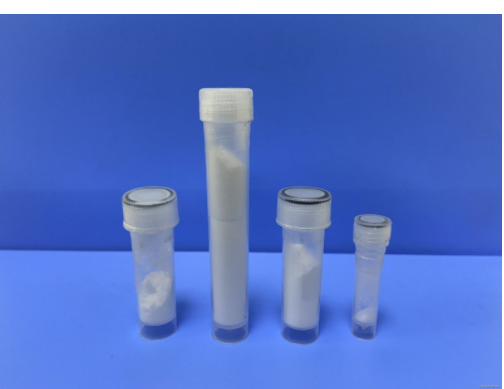

![6,8-Dioxo-5,7-diazaspiro[3.4]octane-2-carboxylic acid](https://eimg.pharmasources.com/image/product/20250403/02effeb5a7639bc84ff1f3add3c0c64fjpg)
![8,16-Diazadispiro[6.1.6.2]heptadecan-17-one](https://eimg.pharmasources.com/image/product/20250403/ca91cba8b87e53fc879f8d8764873a40jpg)
![8-Oxa-1,3-diazaspiro[4.5]decane-2,4-dione](https://eimg.pharmasources.com/image/product/20250403/60fa7223d5a34f24138486ceea0ffb15jpg)
