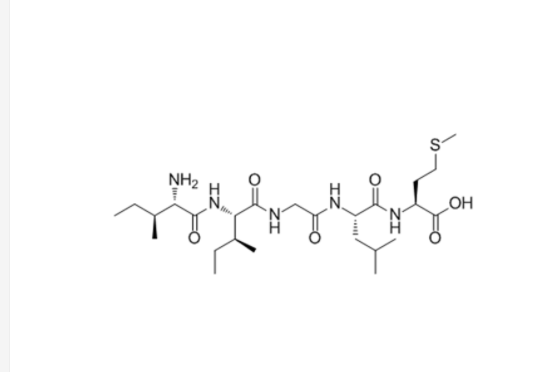
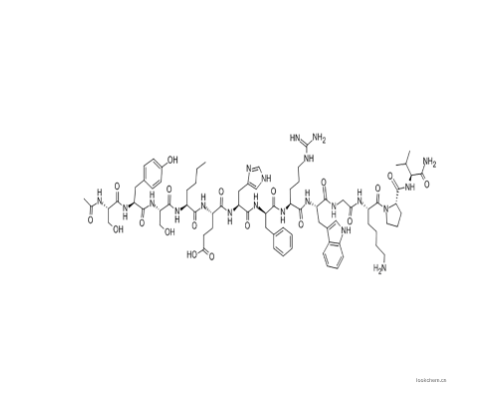
Amyloid beta Protein (31-35) made up of five hydrophobic amino acid peptide fragments, with poor water solubility.
Amyloid beta Protein (31-35) synthesis process is very special, because five amino acids are single protect amino acids, so you can choose 2 cl synthetic resin, using volume TFA: 8 solution DCM = 2:9 cracking can get rough.
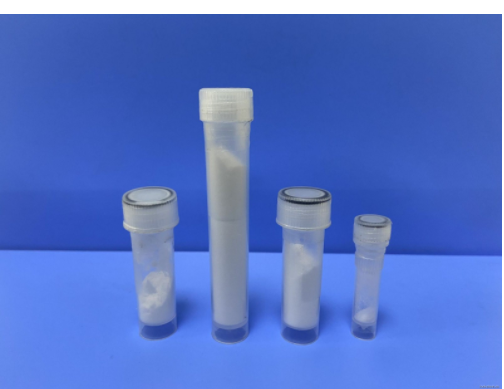
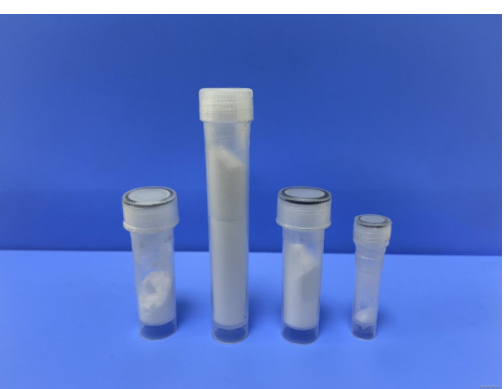
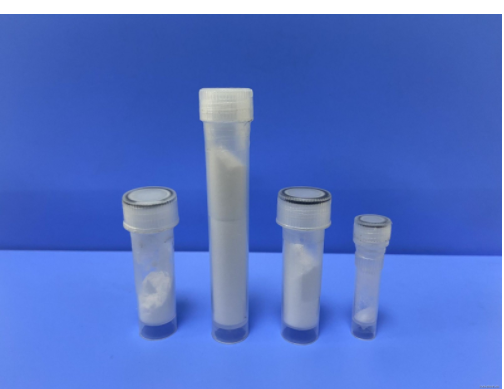
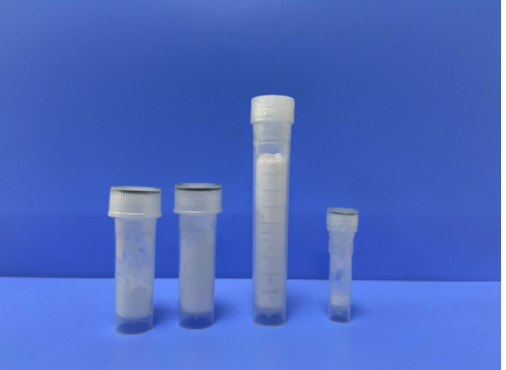
Storage: - 20 ℃ under freeze dry, avoid light preservation remark: used only for research, not for human body
*The following content is generated by AI and is for reference only.
L-Methionyl-L-isoleucyl-L-isoleucine, often referred to as a specific dipeptide or tripeptide derivative involving L-methionine and isoleucine residues, is a specialized biochemical compound of significant interest in pharmaceutical research and peptide synthesis. While standard nomenclature typically classifies this structure as Methionyl-Isoleucyl-Isoleucine (Met-Ile-Ile), it serves as a critical building block for developing complex therapeutic agents and investigating protein folding mechanisms. The molecular formula for this specific tripeptide sequence is C16H30N4O5S, reflecting the combined atomic composition of its constituent amino acids minus water molecules lost during peptide bond formation. Its precise CAS number is 127489-53-8, which facilitates accurate identification in chemical databases and regulatory filings.
This compound is primarily utilized in advanced biomedical applications, particularly in the study of metabolic pathways and the development of novel drug delivery systems. As a component of bioactive peptides, it exhibits potential roles in modulating enzymatic activities and influencing cellular signaling cascades. Researchers frequently employ such sequences to explore the structural requirements for biological activity, aiding in the design of more effective inhibitors or agonists for various diseases. Furthermore, the presence of sulfur-containing methionine and branched-chain isoleucine residues offers unique physicochemical properties that are valuable for optimizing peptide stability and solubility in aqueous environments.
In industrial contexts, high-purity samples of Met-Ile-Ile are essential for quality control in peptide manufacturing and for use as internal standards in mass spectrometry analyses. Its application extends to nutritional science, where understanding the bioavailability of specific amino acid sequences can inform dietary supplements designed for muscle recovery and metabolic health. Despite its niche status compared to single amino acids, this tripeptide represents a vital tool for scientists pushing the boundaries of proteomics and synthetic biology. Continued research into its interactions with biological receptors promises to unlock new therapeutic strategies, making it an indispensable asset in modern laboratory settings focused on precision medicine and biotechnology innovation.





 (All Rights Reserved)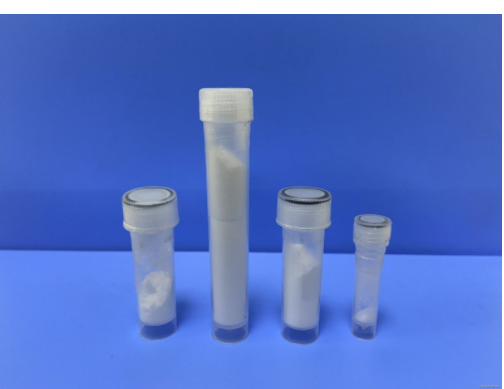

![8,16-Diazadispiro[6.1.6.2]heptadecan-17-one](https://eimg.pharmasources.com/image/product/20250403/ca91cba8b87e53fc879f8d8764873a40jpg)
![8-Oxa-1,3-diazaspiro[4.5]decane-2,4-dione](https://eimg.pharmasources.com/image/product/20250403/60fa7223d5a34f24138486ceea0ffb15jpg)





![6,8-Dioxo-5,7-diazaspiro[3.4]octane-2-carboxylic acid](https://eimg.pharmasources.com/image/product/20250403/02effeb5a7639bc84ff1f3add3c0c64fjpg)
