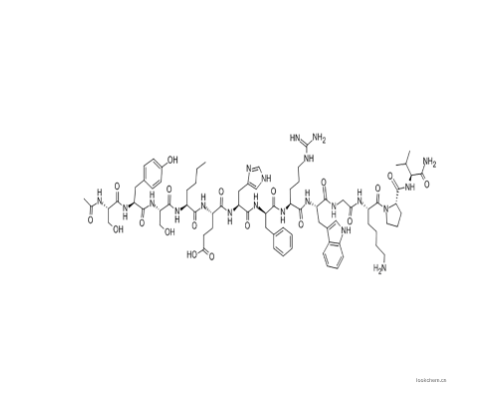
Nerve decompression hormone (1-6) as step-down hormone fragment of peptides, retain most of the biological functions.
Nerve decompression element is a kind of role in 13 of the gut peptides, as an effective cell mitogen, applies to all kinds of colorectal cancer, and pancreatic cancer, the nerve decompression receptor (neurotensin receptor, NTR) with high affinity.
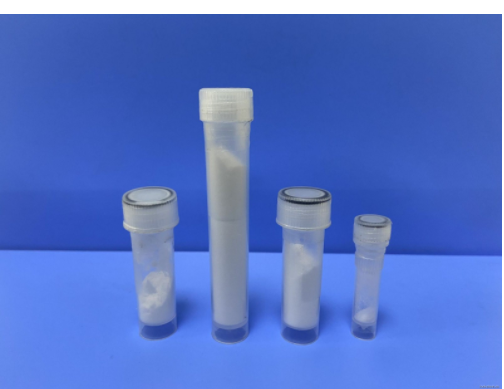
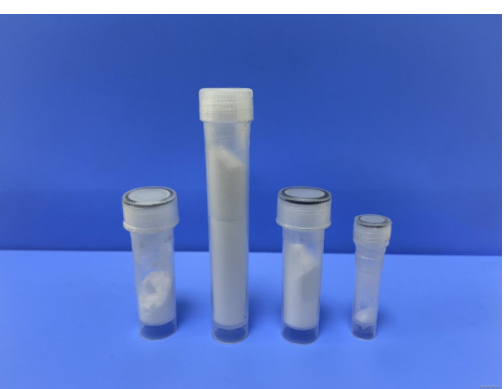
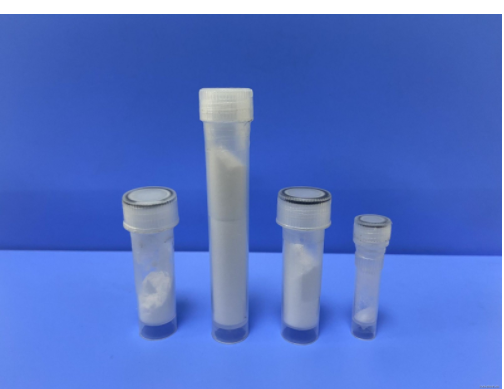
Storage: - 20 ℃ under freeze dry, avoid light preservation remark: used only for research, not for human body
*The following content is generated by AI and is for reference only.
The chemical entity designated as L-Lysine, 5-oxo-L-prolyl-L-leucyl-L-tyrosyl (often truncated in search queries) is a specific bioactive peptide derivative composed of four amino acid residues: lysine, 5-oxoproline, leucine, and tyrosine. While this precise tetrapeptide structure may not correspond to a single widely cataloged commercial product with a unique CAS number in standard public databases like PubChem or ChemSpider under that exact truncated string, it represents a class of oligopeptides frequently synthesized for biochemical research. The inclusion of 5-oxoproline indicates a cyclic imide linkage derived from glutamic acid metabolism, often associated with the gamma-glutamyl cycle, while the terminal tyrosine suggests potential roles in signaling or enzymatic recognition.
In terms of molecular composition, such a peptide would generally possess a complex formula reflecting the sum of its constituent amino acids minus water molecules lost during peptide bond formation. For instance, if fully hydrolyzed, it yields L-lysine, L-leucine, L-tyrosine, and pyroglutamic acid (5-oxoproline). These compounds are primarily utilized in advanced pharmaceutical and biotechnology sectors. Researchers employ synthetic analogs of this sequence to investigate protein folding mechanisms, enzyme inhibition pathways, or receptor binding affinities. Specifically, peptides containing tyrosine residues are often studied for their antioxidant properties or as precursors in melanin synthesis studies. Furthermore, the presence of 5-oxoproline makes these structures valuable for understanding metabolic disorders related to the gamma-glutamyl cycle, such as 5-oxoprolinuria.
Commercial availability of this exact sequence is likely limited to specialized contract research organizations or custom peptide synthesis facilities rather than general chemical suppliers, given its niche application. Consequently, a specific CAS number might only exist upon formal registration by a manufacturer who has produced and characterized a pure batch. In industrial contexts, similar short-chain peptides serve as functional ingredients in nutraceuticals for muscle recovery or as model substrates in protease activity assays. The structural diversity allows for fine-tuning biological half-life and tissue penetration, making them promising candidates for drug delivery systems targeting specific cellular receptors. Ultimately, this molecule exemplifies the complexity of modern medicinal chemistry where precise amino acid sequencing dictates biological efficacy and therapeutic potential.






 (All Rights Reserved)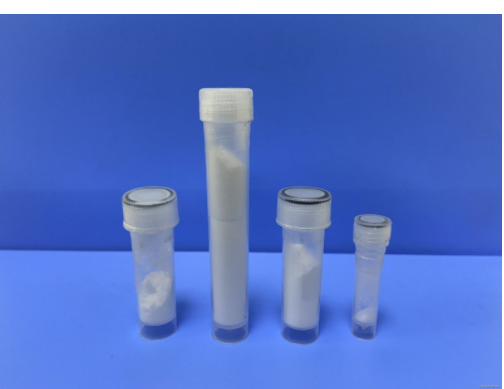




![6,8-Dioxo-5,7-diazaspiro[3.4]octane-2-carboxylic acid](https://eimg.pharmasources.com/image/product/20250403/02effeb5a7639bc84ff1f3add3c0c64fjpg)
![8,16-Diazadispiro[6.1.6.2]heptadecan-17-one](https://eimg.pharmasources.com/image/product/20250403/ca91cba8b87e53fc879f8d8764873a40jpg)


![8-Oxa-1,3-diazaspiro[4.5]decane-2,4-dione](https://eimg.pharmasources.com/image/product/20250403/60fa7223d5a34f24138486ceea0ffb15jpg)
