Product Description
L-Lysine HCl feed grade is a synthetic amino acid produced through bacterial fermentation, specifically designed for use in monogastric animal diets such as those for swine. It aims to reduce the overall crude protein requirement by meeting the essential lysine needs of animals.
AI Product Description
*The following content is generated by AI and is for reference only.
L-Lysine Hydrochloride Feed Grade 98.5% Min is a high-purity amino acid supplement widely utilized in the animal nutrition industry to optimize growth and productivity across various livestock species. Chemically known as L-lysine hydrochloride, this compound serves as an essential nutrient that animals cannot synthesize de novo, necessitating dietary supplementation for optimal health. The molecular formula of this substance is C6H14ClN2O2, reflecting its composition of lysine combined with hydrochloric acid to enhance stability and solubility. Its primary CAS registry number is 56-30-0, a unique identifier crucial for regulatory compliance and supply chain tracking globally.
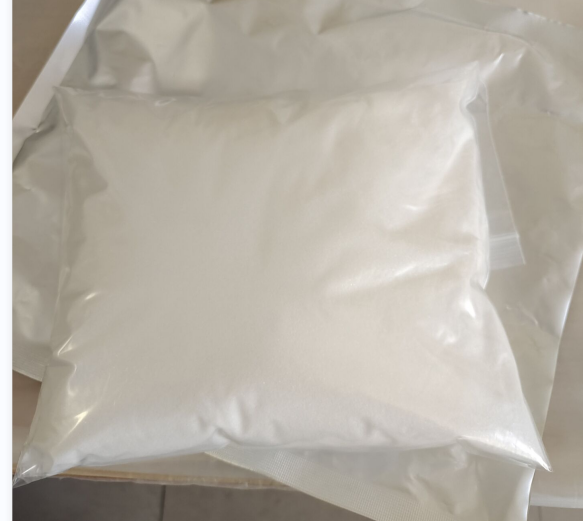
The product typically appears as a white to off-white crystalline powder or granules, characterized by excellent flowability and low moisture content, making it ideal for direct incorporation into feed mills without causing clumping or degradation during processing. With a guaranteed purity of at least 98.5%, this feed grade material ensures consistent nutritional value while minimizing impurities that could affect animal performance or safety. As the first limiting amino acid in many cereal-based diets, particularly those rich in corn and soybean meal, L-Lysine HCL plays a pivotal role in correcting amino acid imbalances. This correction significantly improves protein synthesis efficiency, leading to enhanced weight gain, better feed conversion ratios, and improved carcass quality in poultry, swine, and aquaculture operations.
Beyond production metrics, adequate lysine intake supports immune function and metabolic health, reducing the need for excessive crude protein inclusion in rations. By precisely balancing amino acid profiles, manufacturers can lower overall feed costs and reduce nitrogen excretion, contributing to more sustainable farming practices and environmental protection. The hydrochloride form offers superior bioavailability compared to free lysine, ensuring rapid absorption in the gastrointestinal tract. Consequently, this ingredient remains a cornerstone of modern precision nutrition strategies, enabling producers to meet stringent market demands for high-quality meat, milk, and eggs while adhering to global food safety standards. Its versatility and reliability make it an indispensable component in comprehensive animal feed formulations worldwide.

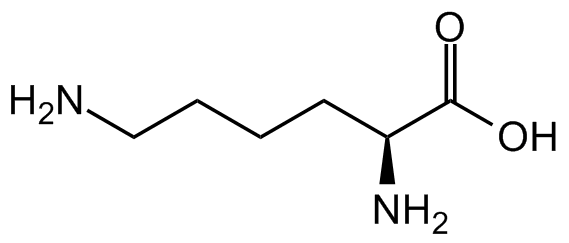





 (All Rights Reserved)