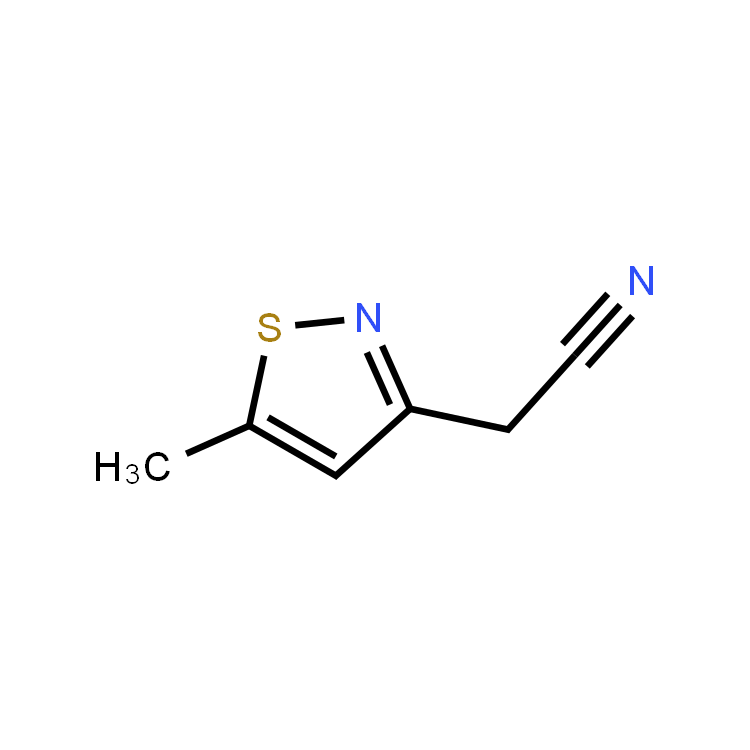
Product Description
Pharmaceutical
Raw Materials and Intermediates
AI Product Description
*The following content is generated by AI and is for reference only.
L-Leucic acid, chemically known as 2-amino-3-methylpentanoic acid, is a non-proteinogenic amino acid derivative primarily recognized for its role in metabolic pathways involving branched-chain amino acids. Its molecular formula is C6H13NO2, and it carries the CAS Registry Number 5948-07-8. Structurally, L-leucic acid resembles leucine but possesses an additional hydroxyl group on the beta-carbon, distinguishing it from standard protein-building blocks. This unique structural feature makes it a valuable intermediate in biochemical research and analytical chemistry.
In scientific applications, L-leucic acid serves as a critical marker in metabolic studies, particularly when investigating disorders related to branched-chain amino acid metabolism, such as maple syrup urine disease (MSUD). Elevated levels of this compound in biological fluids can indicate specific enzymatic deficiencies or metabolic stress. Researchers utilize it to trace catabolic pathways and understand how the body processes essential amino acids under various physiological conditions. Furthermore, due to its chirality, the L-isomer is often preferred in stereoselective synthesis and pharmacological studies where specific enantiomeric activity is required.
Beyond clinical diagnostics, L-leucic acid finds utility in the development of novel pharmaceutical agents and peptide mimetics. Its ability to modulate enzyme kinetics and interact with specific receptors makes it a candidate for designing inhibitors or therapeutic compounds targeting metabolic enzymes. In industrial settings, it is employed as a chiral building block for synthesizing complex organic molecules, including potential drug candidates for neurodegenerative diseases. While not commonly found in commercial food products, its presence in controlled laboratory environments underscores its importance in advancing our understanding of human biochemistry.
The purity and stereochemical integrity of L-leucic acid are paramount for reliable experimental outcomes. High-quality samples are typically sourced from specialized chemical suppliers who ensure strict adherence to safety and quality standards. As research into metabolic disorders expands, the demand for precise analytical standards like L-leucic acid continues to grow, facilitating breakthroughs in diagnostic technologies and targeted therapies. Ultimately, this compound represents a bridge between fundamental metabolic science and practical medical applications, offering insights into the intricate machinery of life at the molecular level.




 (All Rights Reserved)






![6,8-Dioxo-5,7-diazaspiro[3.4]octane-2-carboxylic acid](https://eimg.pharmasources.com/image/product/20250403/02effeb5a7639bc84ff1f3add3c0c64fjpg)

![8-Oxa-1,3-diazaspiro[4.5]decane-2,4-dione](https://eimg.pharmasources.com/image/product/20250403/60fa7223d5a34f24138486ceea0ffb15jpg)
![8,16-Diazadispiro[6.1.6.2]heptadecan-17-one](https://eimg.pharmasources.com/image/product/20250403/ca91cba8b87e53fc879f8d8764873a40jpg)