Product Description
Pharmaceutical
Raw Materials and Intermediates
AI Product Description
*The following content is generated by AI and is for reference only.
L-Homophenylalanine ethyl ester hydrochloride is a specialized chemical intermediate widely utilized in the fields of pharmaceutical research and peptide synthesis. With the Chemical Abstracts Service (CAS) registry number 15647-83-9, this compound serves as a crucial building block for constructing complex amino acid derivatives and bioactive molecules. Its molecular formula is C₁₂H₁₇ClNO₂, reflecting its structure as the hydrochloride salt of the ethyl ester of L-homophenylalanine. This specific stereochemistry ensures that the molecule retains the biological activity associated with the L-isomer, making it highly valuable for developing chiral drugs where enantiomeric purity is critical.
The primary application of L-Homophenylalanine ethyl ester hydrochloride lies in organic synthesis, particularly in the preparation of peptidomimetics and non-natural amino acids. Researchers employ this reagent to introduce extended side chains into peptide backbones, thereby modifying the pharmacokinetic properties of potential therapeutic agents. By extending the distance between the alpha-carbon and the phenyl ring compared to standard phenylalanine, this analog allows scientists to fine-tune molecular interactions within enzyme active sites or receptor binding pockets. Consequently, it plays a significant role in the discovery of novel antibiotics, antiviral agents, and anticancer compounds.
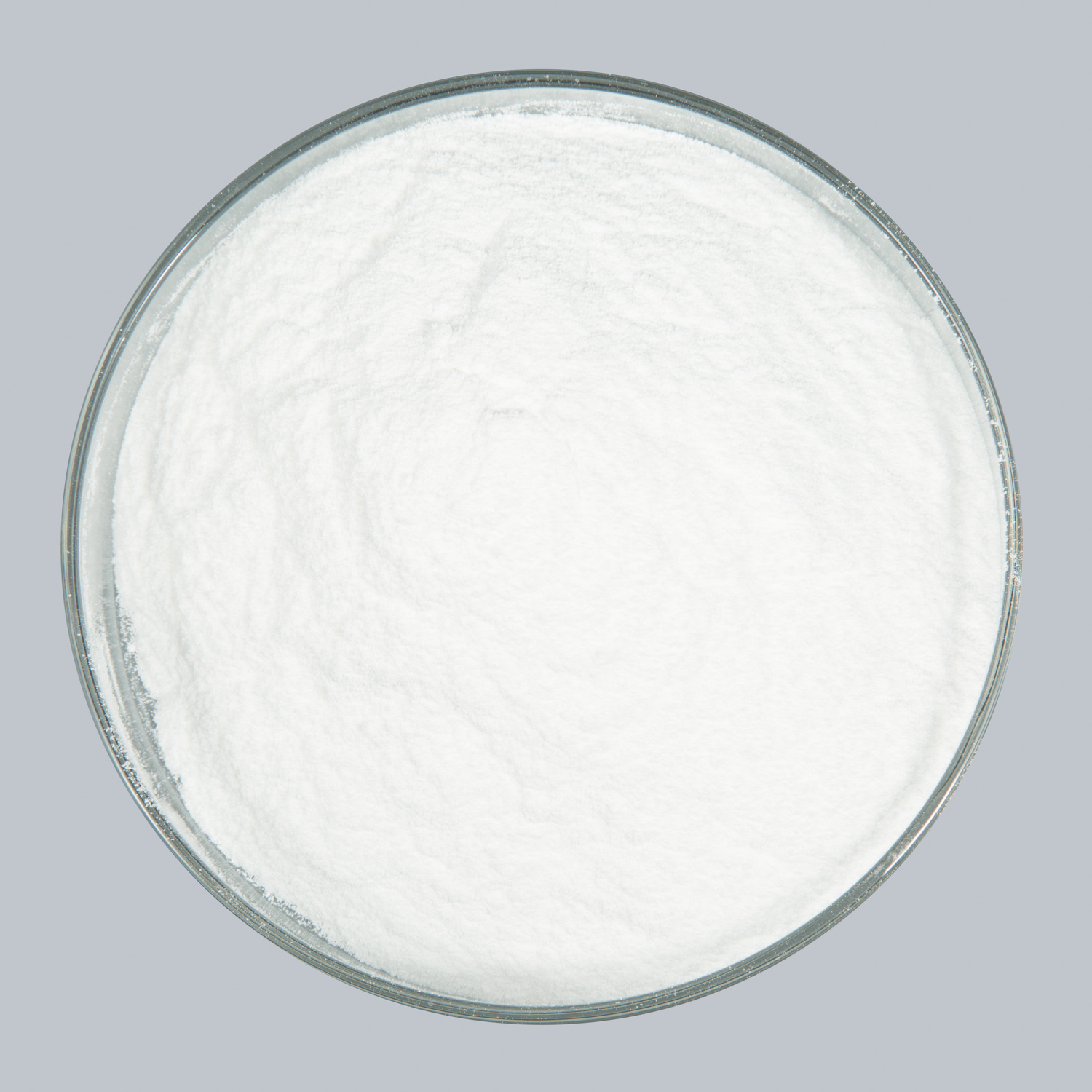
In laboratory settings, the compound is typically handled as a stable white crystalline powder, which facilitates accurate weighing and stoichiometric calculations during multi-step synthesis protocols. The presence of the hydrochloride group enhances its solubility in polar solvents, ensuring efficient coupling reactions when protected by appropriate protecting groups. While primarily an academic and industrial research tool, its contribution to advancing medicinal chemistry cannot be overstated. As the demand for targeted therapies grows, such specialized intermediates remain indispensable for chemists aiming to optimize drug efficacy and selectivity. Users must adhere to standard safety precautions due to its acidic nature, ensuring proper storage in cool, dry conditions to maintain integrity throughout the synthesis workflow.





 (All Rights Reserved)
![8-Oxa-1,3-diazaspiro[4.5]decane-2,4-dione](https://eimg.pharmasources.com/image/product/20250403/60fa7223d5a34f24138486ceea0ffb15jpg)
![6,8-Dioxo-5,7-diazaspiro[3.4]octane-2-carboxylic acid](https://eimg.pharmasources.com/image/product/20250403/02effeb5a7639bc84ff1f3add3c0c64fjpg)
![8,16-Diazadispiro[6.1.6.2]heptadecan-17-one](https://eimg.pharmasources.com/image/product/20250403/ca91cba8b87e53fc879f8d8764873a40jpg)