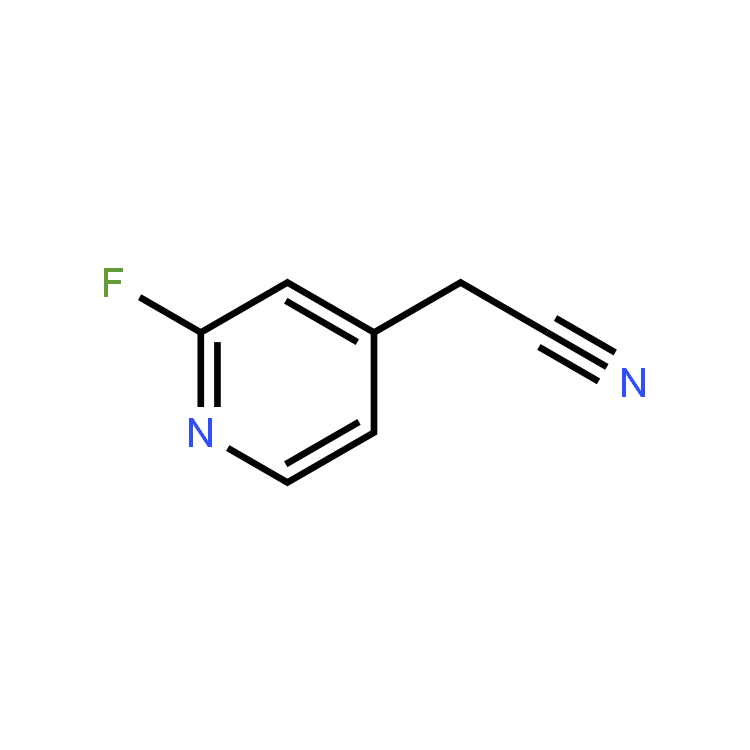
Product Description
Pharmaceutical
Raw Materials and Intermediates
AI Product Description
*The following content is generated by AI and is for reference only.
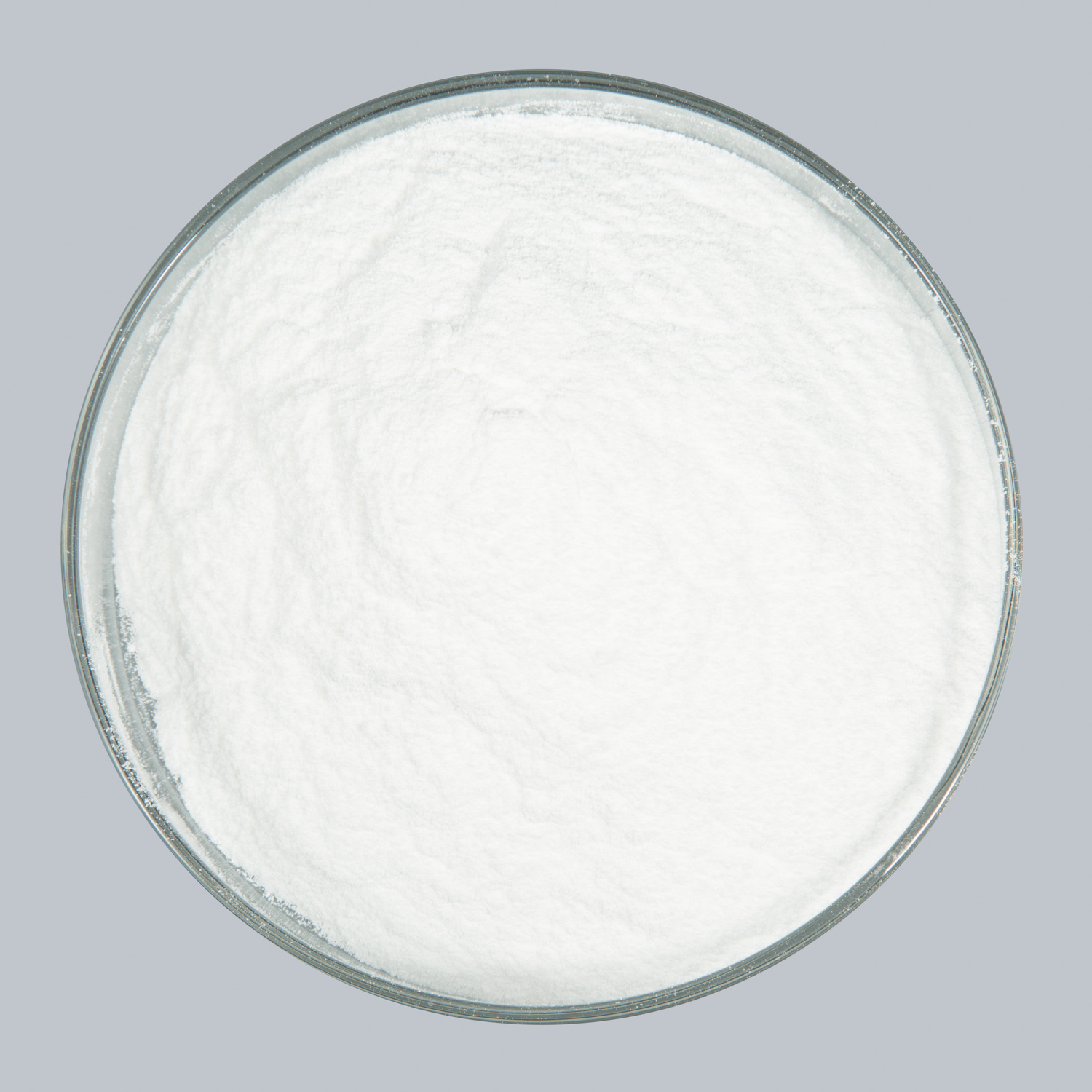
L(+)-Diethyl L-tartrate is a chiral organic compound derived from tartaric acid, a naturally occurring dicarboxylic acid found in grapes and other fruits. With the molecular formula C8H14O6 and a CAS registry number of 921-05-3, this substance exists as a colorless to pale yellow liquid or crystalline solid at room temperature. It is characterized by its specific optical rotation, typically exhibiting a positive dextrorotatory property, which is crucial for its applications in asymmetric synthesis. The molecule features two ester groups attached to the tartrate backbone, enhancing its lipophilicity compared to the parent acid while retaining the stereocenters necessary for chiral induction.
The primary utility of L(+)-Diethyl L-tartrate lies in its role as a chiral auxiliary and ligand in modern organic chemistry. It is extensively employed in the resolution of racemic mixtures and as a catalyst precursor in enantioselective reactions. Specifically, it forms stable complexes with transition metals such as titanium, vanadium, and aluminum, facilitating high enantiomeric excess in processes like Sharpless epoxidation and various aldol-type condensations. This capability makes it an indispensable reagent in the pharmaceutical industry for synthesizing single-enantiomer drugs, where stereochemical purity is often a regulatory requirement for safety and efficacy. Additionally, it serves as a building block for the preparation of complex natural products and bioactive molecules.
Beyond laboratory synthesis, this compound finds niche applications in material science, particularly in the development of chiral polymers and liquid crystals. Its ability to induce chirality in supramolecular assemblies allows researchers to design advanced materials with unique optical properties. While generally considered safe for handling under standard laboratory conditions, appropriate personal protective equipment is recommended due to potential irritation risks. As a commodity chemical available from major suppliers worldwide, L(+)-Diethyl L-tartrate remains a cornerstone reagent for chemists seeking precise stereocontrol in molecular construction. Its versatility, combined with reliable commercial availability, ensures its continued prominence in both academic research and industrial manufacturing processes focused on creating high-value chiral compounds.




 (All Rights Reserved)
![6,8-Dioxo-5,7-diazaspiro[3.4]octane-2-carboxylic acid](https://eimg.pharmasources.com/image/product/20250403/02effeb5a7639bc84ff1f3add3c0c64fjpg)
![8-Oxa-1,3-diazaspiro[4.5]decane-2,4-dione](https://eimg.pharmasources.com/image/product/20250403/60fa7223d5a34f24138486ceea0ffb15jpg)
![8,16-Diazadispiro[6.1.6.2]heptadecan-17-one](https://eimg.pharmasources.com/image/product/20250403/ca91cba8b87e53fc879f8d8764873a40jpg)