Product Description
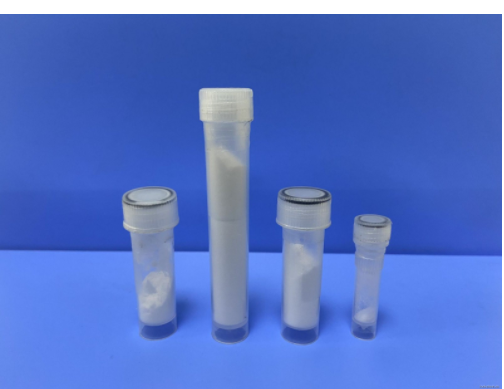
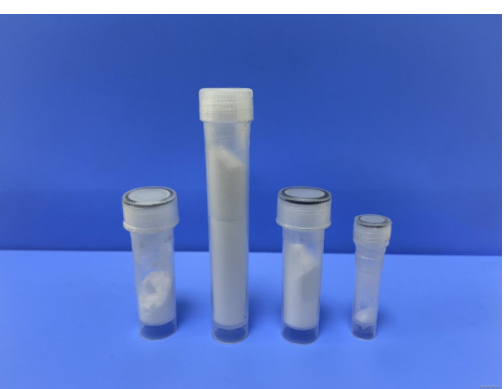
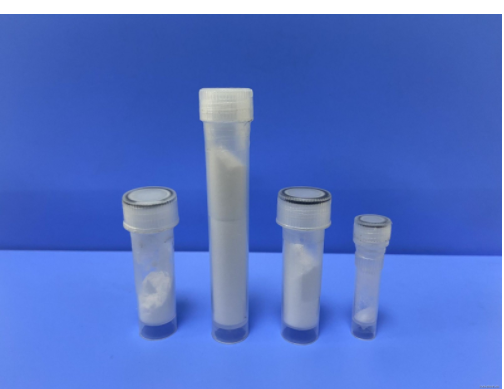
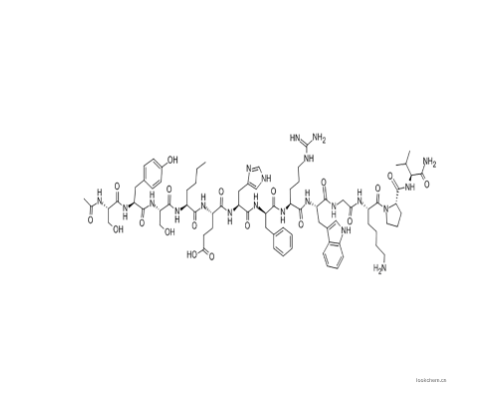
Name: spleen 5 peptide Splenopentin Acetate Acetate nickname: spleen pentapeptides CAS: 105184-37 - zero sequence: Arg - Lys - Glu - Val - Tyr purity: > 98% molecular formula: C31H51N9O9 molecular weight: 693.81
AI Product Description
*The following content is generated by AI and is for reference only.
L-Arginyl-L-lysyl-L-alpha-glutamyl-L- is a specific tripeptide sequence representing the N-terminal fragment of larger bioactive peptides, though it is often encountered as part of broader research into peptide therapeutics and nutritional supplements. This compound consists of three essential amino acids linked by peptide bonds: L-arginine, L-lysine, and L-alpha-glutamic acid. Due to its complex structure involving basic side chains from arginine and lysine alongside the acidic glutamate residue, this molecule exhibits unique solubility characteristics in aqueous environments and distinct electrostatic properties at physiological pH levels.
Currently, there is no single, universally recognized CAS number specifically assigned to this exact short tripeptide fragment in isolation within major commercial databases, as it is frequently synthesized as an intermediate for longer peptide studies or used in custom research applications rather than as a standalone commercial product. Its molecular formula can be derived by summing the constituent amino acids minus water molecules lost during bond formation, typically resulting in a composition around C15H30N6O7, though precise values depend on the specific stereochemistry and terminal modifications.
The primary utility of such peptide sequences lies in biomedical research, particularly in understanding protein synthesis mechanisms, enzyme-substrate interactions, and cellular signaling pathways. Arginine and lysine are known for their roles in nitric oxide production and muscle protein synthesis, respectively, while glutamic acid acts as a crucial neurotransmitter precursor. Consequently, fragments containing these residues are investigated for potential applications in sports nutrition, wound healing enhancement, and metabolic regulation. Researchers utilize these building blocks to screen for immunomodulatory effects or to develop targeted drug delivery systems. Furthermore, in food science, similar peptide structures are explored for their flavor-modifying properties or functional benefits in fortified foods. While not yet a standard over-the-counter supplement, the study of L-Arginyl-L-lysyl-L-alpha-glutamyl-L- contributes significantly to the advancement of peptide-based therapies and our understanding of amino acid functionality in biological systems.





 (All Rights Reserved)

![6,8-Dioxo-5,7-diazaspiro[3.4]octane-2-carboxylic acid](https://eimg.pharmasources.com/image/product/20250403/02effeb5a7639bc84ff1f3add3c0c64fjpg)
![8,16-Diazadispiro[6.1.6.2]heptadecan-17-one](https://eimg.pharmasources.com/image/product/20250403/ca91cba8b87e53fc879f8d8764873a40jpg)
![8-Oxa-1,3-diazaspiro[4.5]decane-2,4-dione](https://eimg.pharmasources.com/image/product/20250403/60fa7223d5a34f24138486ceea0ffb15jpg)