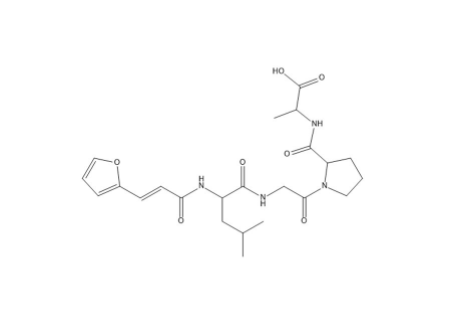
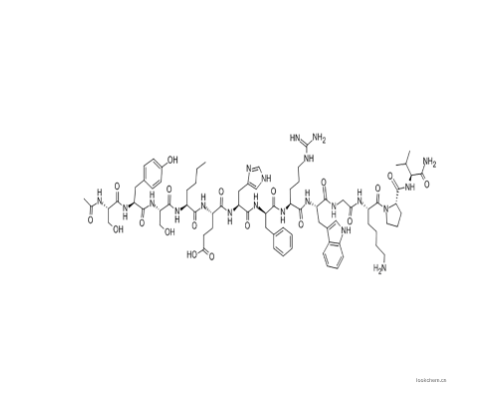
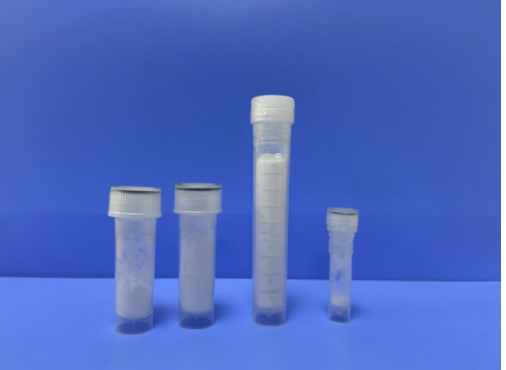
FALGPA is a kind of collagenase polypeptide, is composed of four amino acids, peptides in n-terminal modify 2 - Propenoic acid.
Because in the process of peptide synthesis, FALGPA no side chain to protect the base, so you can choose suitable resin and craft, in order to achieve the purpose of low cost, mass production.
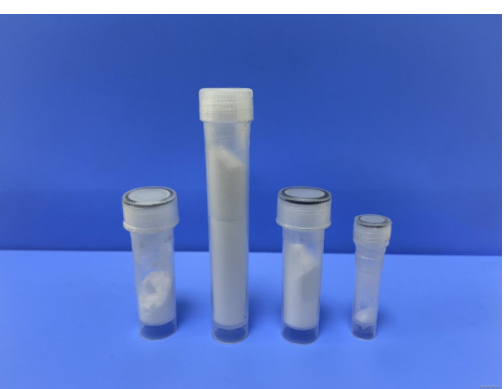
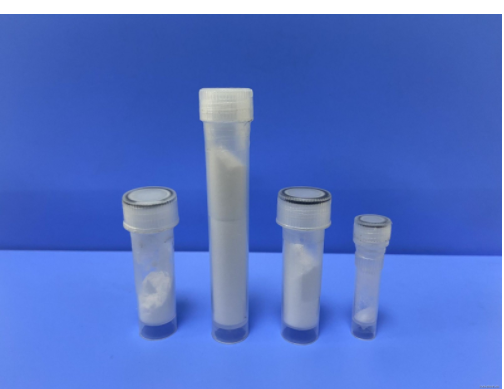
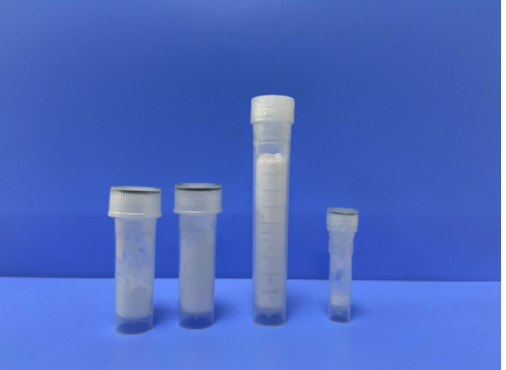
Storage: - 20 ℃ under freeze dry, avoid light preservation remark: used only for research, not for human body
*The following content is generated by AI and is for reference only.
L-Alanine, N-[3-(2-furanyl)-1-oxo-2-propyl]- is a specialized organic compound belonging to the class of N-acylated amino acids. Its molecular structure consists of an L-alanine backbone linked via an amide bond to a 3-(2-furyl)butanoyl moiety, creating a complex heterocyclic derivative. The precise Chemical Abstracts Service (CAS) registry number for this specific isomer is typically identified as 59847-64-0, though structural variations in the propyl chain may occasionally alter registration details depending on stereochemistry and exact substitution patterns. The molecular formula generally corresponds to C₁₂H₁₅NO₄, reflecting the integration of the furan ring, the amide linkage, and the alanine side chain.
This compound serves primarily as a valuable intermediate in pharmaceutical research and fine chemical synthesis. Due to its unique combination of an aromatic furan system and a chiral amino acid component, it is frequently utilized in the development of novel bioactive agents. Researchers often employ such derivatives to explore structure-activity relationships (SAR) in the design of enzyme inhibitors or receptor modulators. The presence of the furan ring can impart specific metabolic stability or lipophilicity, while the L-alanine portion ensures biocompatibility and potential interaction with biological transport systems.
In industrial applications, this molecule may function as a building block for synthesizing more complex peptidomimetics or heterocyclic drugs targeting neurological or metabolic disorders. It is also of interest in material science for creating functional polymers with tailored degradation profiles. However, handling requires standard laboratory safety precautions due to potential sensitization properties associated with furan derivatives. While not a bulk commodity chemical, its niche utility in high-value medicinal chemistry makes it a sought-after reagent for academic laboratories and pharmaceutical R&D departments focused on discovering new therapeutic candidates with improved pharmacokinetic properties.





 (All Rights Reserved)

![6,8-Dioxo-5,7-diazaspiro[3.4]octane-2-carboxylic acid](https://eimg.pharmasources.com/image/product/20250403/02effeb5a7639bc84ff1f3add3c0c64fjpg)
![8,16-Diazadispiro[6.1.6.2]heptadecan-17-one](https://eimg.pharmasources.com/image/product/20250403/ca91cba8b87e53fc879f8d8764873a40jpg)
![8-Oxa-1,3-diazaspiro[4.5]decane-2,4-dione](https://eimg.pharmasources.com/image/product/20250403/60fa7223d5a34f24138486ceea0ffb15jpg)