*The following content is generated by AI and is for reference only.
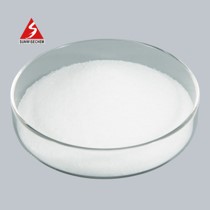
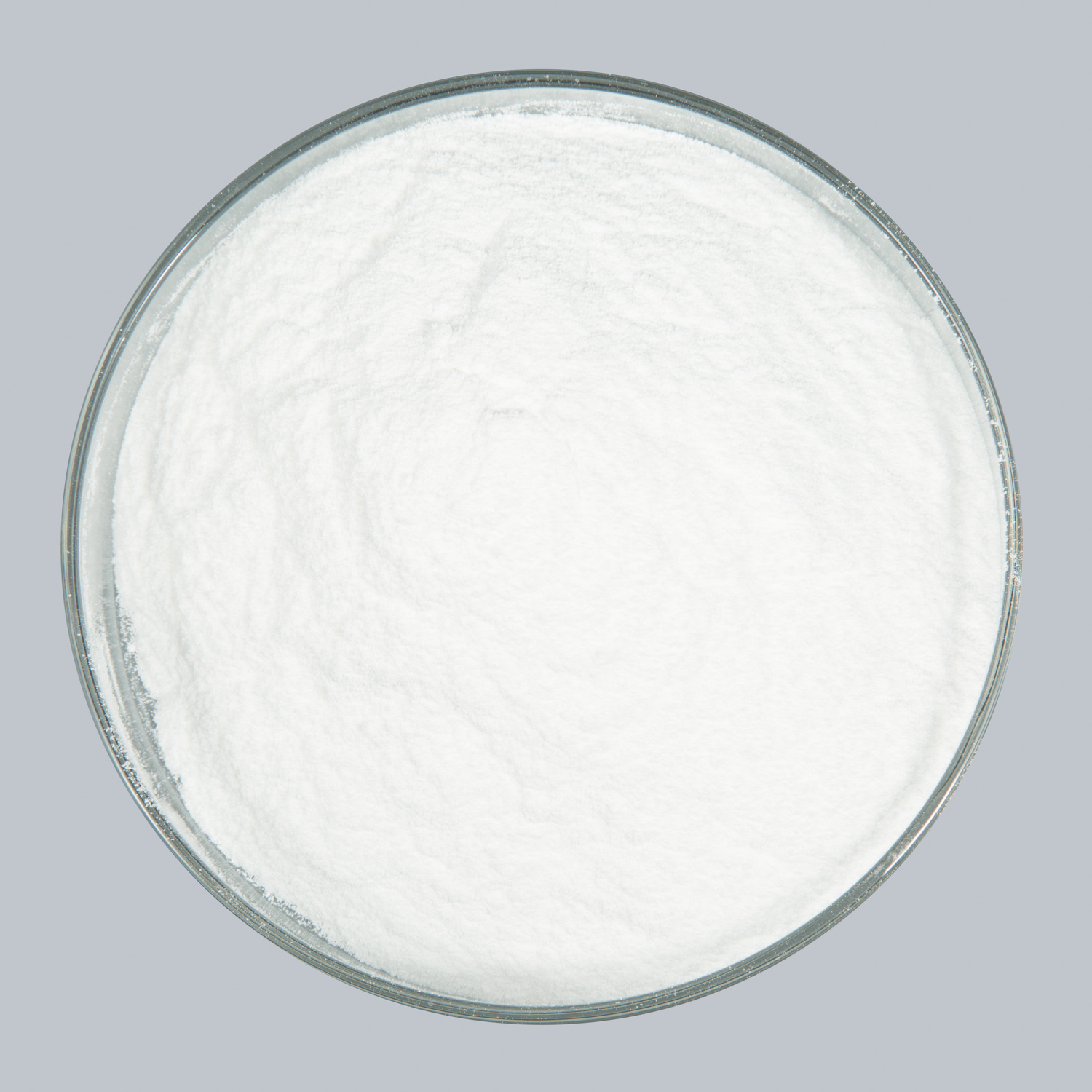
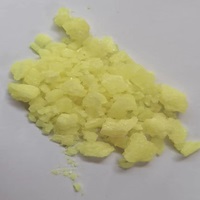
L-Alanine isopropyl ester hydrochloride is a specialized amino acid derivative widely utilized in the pharmaceutical and chemical synthesis industries. With the molecular formula C6H14ClNO2 and CAS number 2097-85-4, this compound serves as a critical building block for constructing complex peptide structures and bioactive molecules. Structurally, it consists of the L-alanine backbone where the carboxylic acid group has been esterified with an isopropyl group, and the amine functionality exists as a hydrochloride salt. This specific configuration enhances its stability and solubility properties compared to free amino acids, making it highly suitable for various synthetic applications.
The primary application of L-Alanine isopropyl ester hydrochloride lies in solid-phase peptide synthesis (SPPS) and solution-phase coupling reactions. In these processes, it acts as a protected alanine residue, preventing unwanted side reactions during chain elongation. The isopropyl ester group functions as a temporary protecting group for the carboxyl moiety, which can be selectively removed under mild acidic or basic conditions without affecting other sensitive functional groups within the molecule. This selectivity is crucial for maintaining the stereochemical integrity of the final product, ensuring that the L-configuration is preserved throughout the synthesis.
Beyond peptide manufacturing, this reagent finds utility in the development of novel drug candidates and agrochemicals. It is frequently employed to introduce alanine residues into small molecule libraries for high-throughput screening assays. Furthermore, due to its chiral purity, it is essential for producing enantiomerically pure compounds required in regulatory-compliant pharmaceutical production. The hydrochloride form ensures excellent handling characteristics, offering improved storage stability and ease of weighing in laboratory settings. Its compatibility with standard organic solvents allows for versatile use across different reaction environments. Researchers value this compound for its reliability in generating high-yield products with minimal byproducts. As the demand for precise biomolecular engineering grows, L-Alanine isopropyl ester hydrochloride remains an indispensable tool for chemists aiming to synthesize sophisticated therapeutic agents and advanced materials efficiently.