Product Description
Pharmaceutical
Raw Materials and Intermediates
AI Product Description
*The following content is generated by AI and is for reference only.
L-2,4-Diaminobutyric acid dihydrochloride is a specialized amino acid derivative widely utilized in the fields of organic synthesis, pharmaceutical research, and biochemistry. With the Chemical Abstracts Service (CAS) registry number 67531-98-0, this compound serves as a critical building block for the development of complex peptide structures and novel therapeutic agents. Its molecular formula is C4H12Cl2N2O2, reflecting its structure as the dihydrochloride salt form of L-2,4-diaminobutyric acid, which enhances its solubility in aqueous media compared to the free base form.
The primary application of this reagent lies in the synthesis of non-natural peptides and peptidomimetics. Due to the presence of two distinct amino groups at the alpha and beta positions, it offers unique versatility in coupling reactions, allowing chemists to construct branched or cyclic peptide architectures that are difficult to achieve with standard amino acids. This structural flexibility makes it particularly valuable in drug discovery programs targeting specific biological pathways, including enzyme inhibition and receptor modulation. Researchers often employ it to improve the metabolic stability or binding affinity of peptide-based drugs.
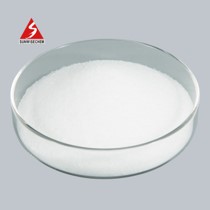
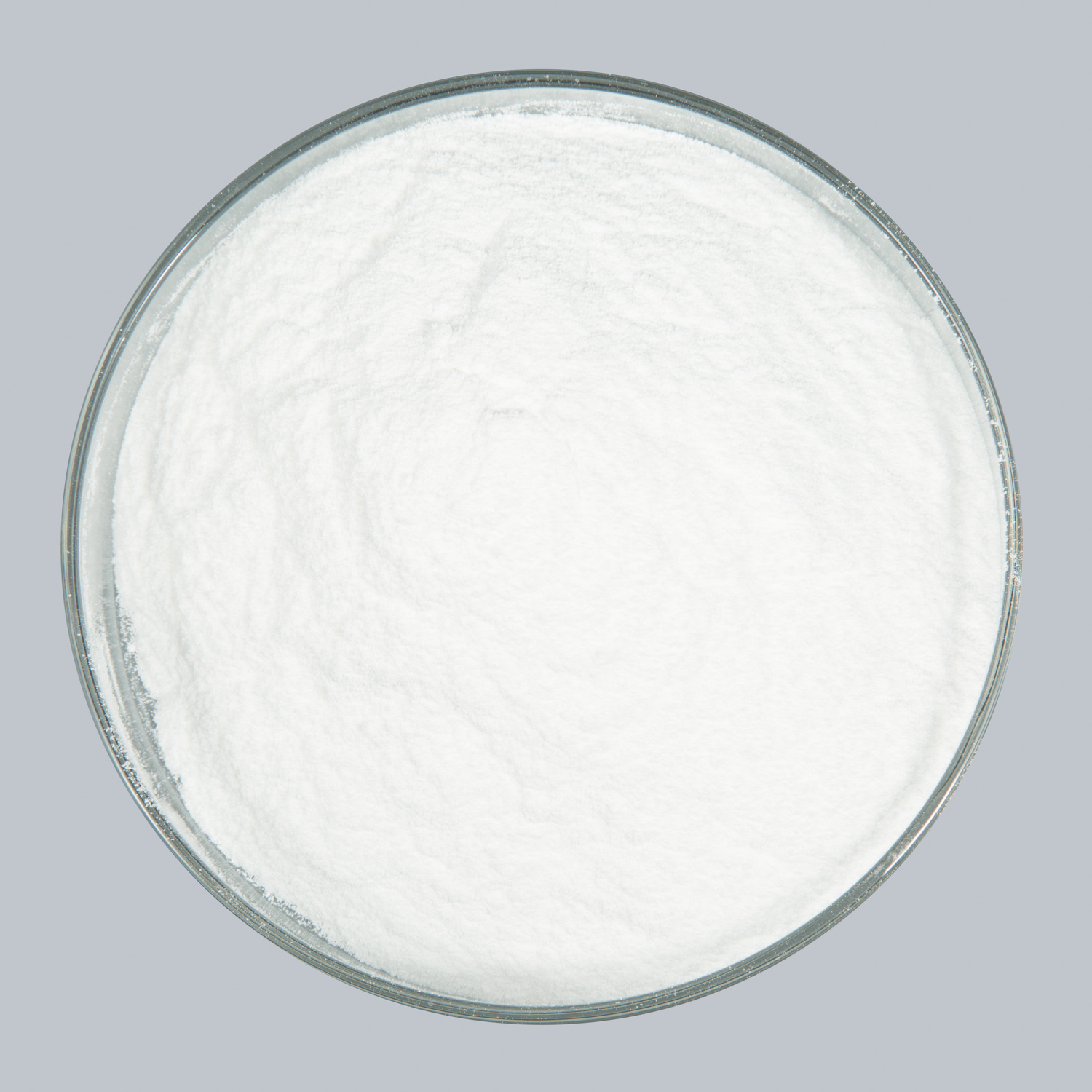
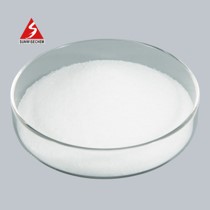
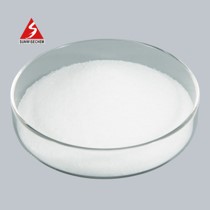
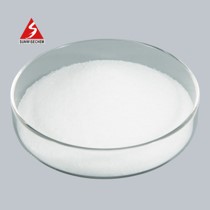
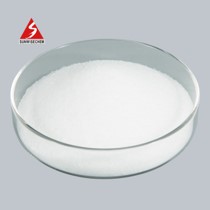
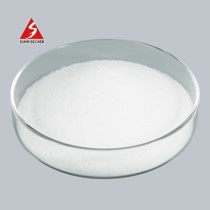
In addition to pharmaceutical applications, L-2,4-Diaminobutyric acid dihydrochloride finds use in material science for creating functional polymers and biomaterials. Its ability to participate in various condensation reactions facilitates the creation of advanced materials with tailored properties. As a high-purity chemical intermediate, it is strictly handled under controlled laboratory conditions to prevent degradation and ensure reaction efficiency. The compound is typically supplied as a white crystalline powder, stable under standard storage conditions but requiring protection from excessive moisture to maintain integrity.
For researchers and industrial manufacturers, this compound represents an essential tool for expanding the chemical space available for drug design. Its role in synthesizing next-generation therapeutics underscores its importance in modern medicinal chemistry. While not a common commodity chemical, its niche utility in creating sophisticated molecular scaffolds ensures its continued demand in academic and commercial laboratories focused on innovative drug development and biochemical analysis.





 (All Rights Reserved)
![8,16-Diazadispiro[6.1.6.2]heptadecan-17-one](https://eimg.pharmasources.com/image/product/20250403/ca91cba8b87e53fc879f8d8764873a40jpg)
![6,8-Dioxo-5,7-diazaspiro[3.4]octane-2-carboxylic acid](https://eimg.pharmasources.com/image/product/20250403/02effeb5a7639bc84ff1f3add3c0c64fjpg)
![8-Oxa-1,3-diazaspiro[4.5]decane-2,4-dione](https://eimg.pharmasources.com/image/product/20250403/60fa7223d5a34f24138486ceea0ffb15jpg)