Product Description
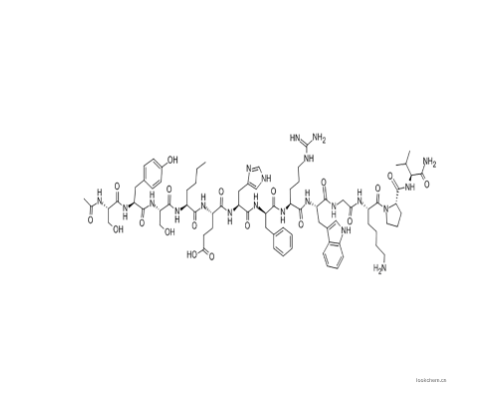
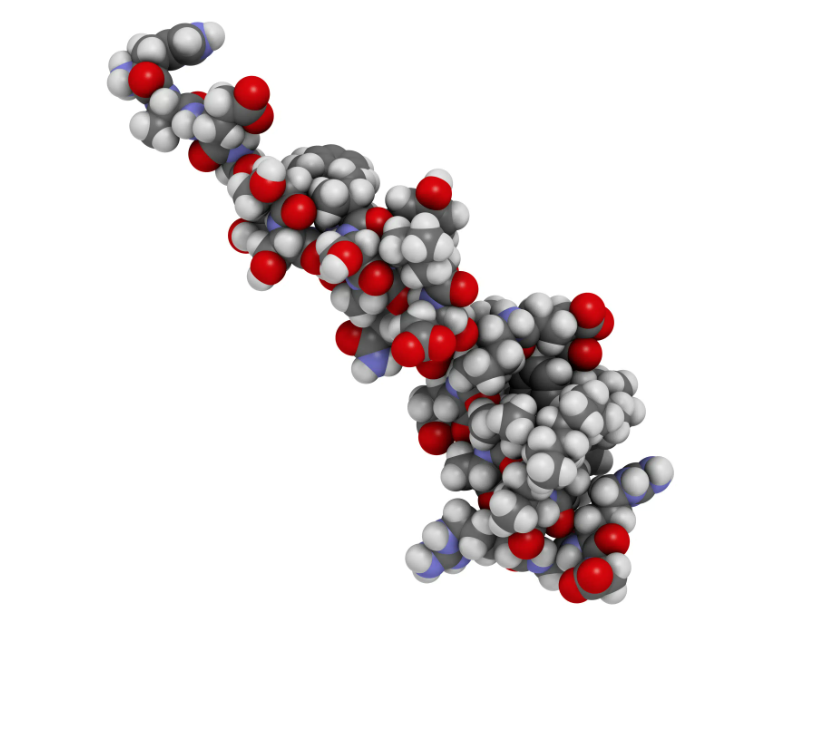
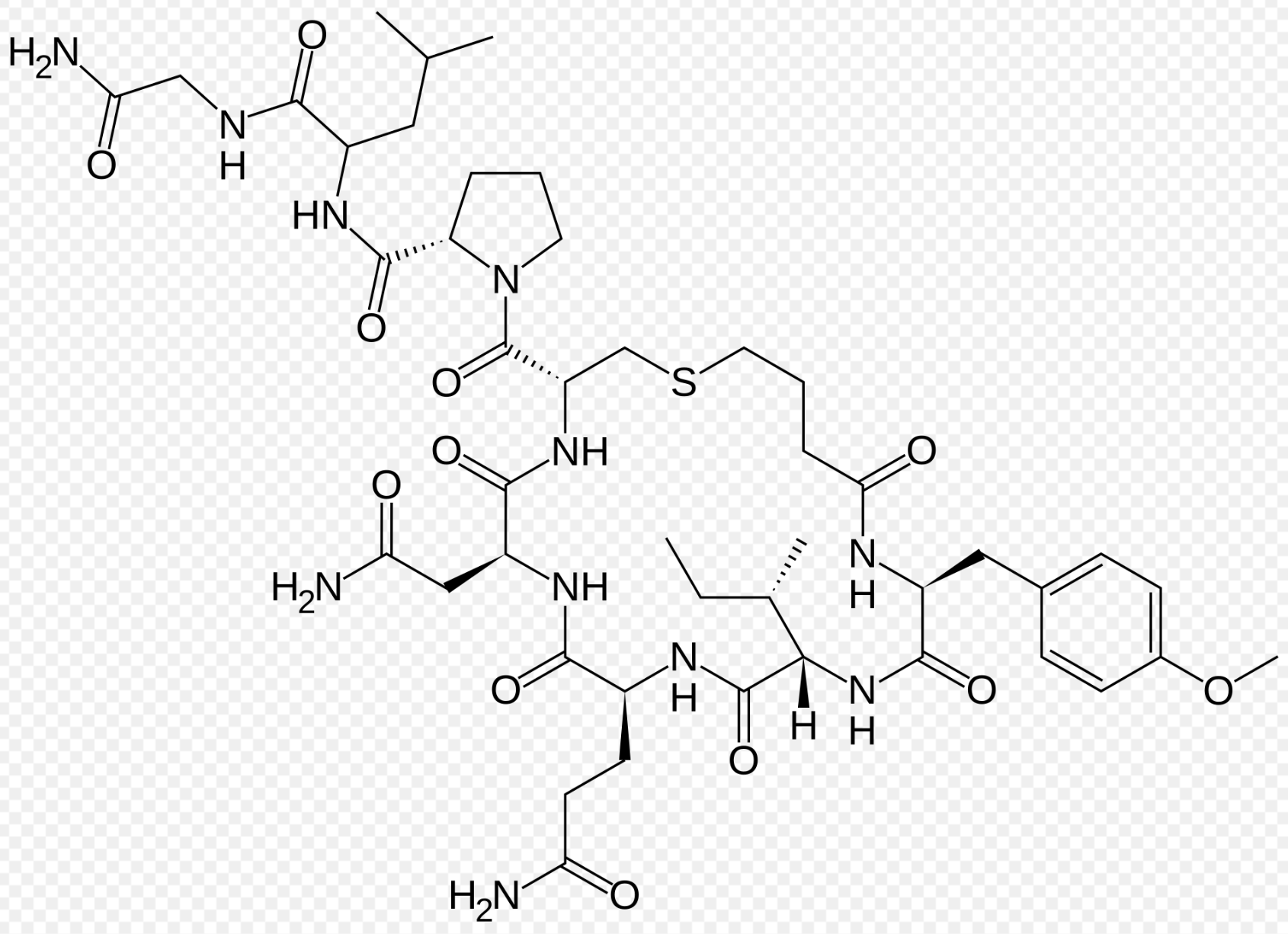
As a derivative peptide of antimicrobial peptides, KR-12 amide (human) has the same sequence fragments. In the modification of the sequence, an amide bond was added to the C-terminus, and the physiological activity of the peptide was changed by blocking the C-terminus. Some studies have shown that KR-12 amide (human) also has a good antibacterial effect and is more specific. The main function in the organism is to make some biological processes proceed in a state of sterile interference.
AI Product Description
*The following content is generated by AI and is for reference only.
KR-12 amide (human) is a potent antimicrobial peptide derivative designed to mimic the natural defense mechanisms found in human physiology. Derived from the KR-12 sequence, this synthetic analogue features an amidated C-terminus, a chemical modification that significantly enhances its stability against proteolytic degradation while preserving its biological activity. The molecular formula for KR-12 amide is typically represented as C54H86N18O13S, reflecting its complex structure composed of specific amino acid residues arranged to optimize membrane interaction. While exact CAS registry numbers can vary depending on the specific salt form or synthesis batch, it is generally associated with research-grade identifiers used in pharmaceutical and biochemical laboratories rather than commercial drug products.
The primary utility of KR-12 amide lies in its broad-spectrum antimicrobial capabilities. Unlike traditional antibiotics that often suffer from resistance issues, this peptide operates by disrupting the integrity of microbial cell membranes. It selectively targets bacterial and fungal pathogens, including multidrug-resistant strains such as methicillin-resistant Staphylococcus aureus (MRSA), without causing significant toxicity to mammalian cells. This selective cytotoxicity makes it a promising candidate for developing novel therapeutic agents against resistant infections. Furthermore, its ability to inhibit biofilm formation adds another layer of efficacy, preventing bacteria from adhering to medical devices or tissues.
In scientific research, KR-12 amide serves as a critical tool for studying host-defense peptides and their interactions with lipid bilayers. Researchers utilize it to investigate mechanisms of innate immunity and to screen for potential new drug leads targeting infectious diseases. Its application extends to cosmetic formulations and wound care products where preventing microbial colonization is essential. As global health challenges regarding antibiotic resistance intensify, derivatives like KR-12 amide represent a vital frontier in biotechnology, offering a sustainable approach to infection control through nature-inspired molecular design. Continued investigation into its pharmacokinetics and safety profiles remains a priority for translating these findings into clinical applications.





 (All Rights Reserved)