Category:
Fine Chemicals
CAS NO:
228-973-9
Standard:
In-house Standards,


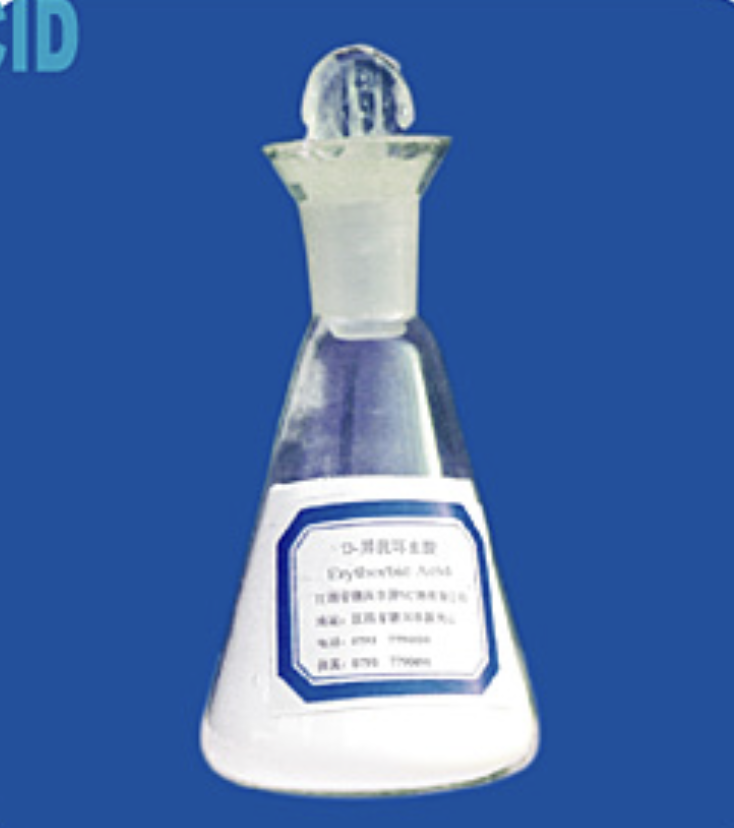
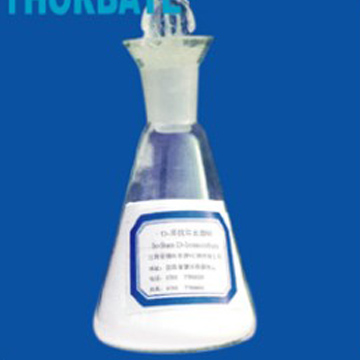
Properties sodium isoascorbate is white to yellowish white crystal particles or crystal powder, odorless, slightly salty, decomposed at a melting point of more than 200 ℃, and quite stable when exposed to air in a dry state. However, in aqueous solution, when there is air, metal, heat and light, oxidation occurs. It is easily soluble in 55g / 100ml of water and almost insoluble in ethanol. The pH value of 2% aqueous solution is 6.5-8.0.
■ antioxidant performance the antioxidant capacity of sodium isoascorbate is much higher than that of sodium vitamin C. It does not strengthen vitamin C, but it will not hinder the absorption and application of ascorbic acid by the human body. The human body takes sodium isoascorbate, which can be transformed into vitamin C in the body.
■ the United States Food and Drug Administration (1980) listed this product as a generally recognized safe substance.
■ the physiological function of sodium isoascorbate is only about 1 / 20 of that of ascorbic acid in anti bad blood, but its function in lowering blood pressure, diuresis, hepatic glycogen generation, pigment excretion and detoxification is roughly the same as that of ascorbic acid.









 (All Rights Reserved) (All Rights Reserved)