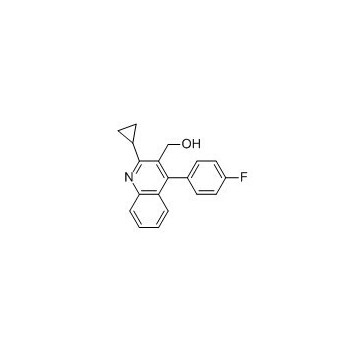
Product Description
CAS No. 75-26-3
Packing: 250kg steel drum
Main specification:
Appearance:Colorless and transparent liquid
Assay: 99.0% min.
Moisture: 0.1% max.
Usage: Intermediates of pharmaceuticals and agricultural chemicals.
Hazardous Class: 3.2
UN No. 2344
AI Product Description
*The following content is generated by AI and is for reference only.
Isopropyl bromide, chemically known as 2-bromopropane, is a colorless, volatile liquid with a characteristic ether-like odor. Its molecular formula is C3H7Br, and it is uniquely identified by the CAS Registry Number 75-26-3. Structurally, this compound consists of a three-carbon chain where a bromine atom is attached to the central carbon atom, classifying it as a secondary alkyl halide. Due to its specific chemical properties, isopropyl bromide serves as a valuable reagent in organic synthesis and industrial applications.
Primarily utilized as an intermediate in the manufacture of pharmaceuticals, agrochemicals, and dyes, this substance facilitates various alkylation reactions. It acts as an effective source of the isopropyl group, allowing chemists to introduce this functional moiety into complex molecular structures with high efficiency. In the laboratory setting, it is frequently employed for preparing Grignard reagents or as a substrate in nucleophilic substitution studies to understand reaction kinetics and mechanisms. Furthermore, its volatility makes it suitable for use as a solvent in specialized cleaning processes and as a propellant in certain aerosol formulations, although regulatory restrictions on volatile organic compounds have limited some of these traditional uses.
Safety considerations are paramount when handling isopropyl bromide. It is classified as a flammable liquid and poses significant health risks upon inhalation, skin contact, or ingestion. Exposure can lead to central nervous system depression, respiratory irritation, and potential liver or kidney damage. Consequently, strict adherence to safety protocols, including the use of appropriate personal protective equipment and adequate ventilation, is mandatory during storage and usage. While it has historical significance in early organic chemistry, modern applications focus on its role as a precise synthetic building block rather than a bulk solvent. Ongoing research continues to explore its utility in developing novel materials and fine chemicals, ensuring its relevance in advanced chemical manufacturing despite evolving environmental regulations.






 (All Rights Reserved)


![5,6,7,7a-Tetrahydro thieno[3,2-c]pyridin-2(4H)-one Hydrochloride](https://eimg.pharmasources.com/img_Cphi_en/Product/2016_02/Mimg_1602021058457992.jpg)