Product Description
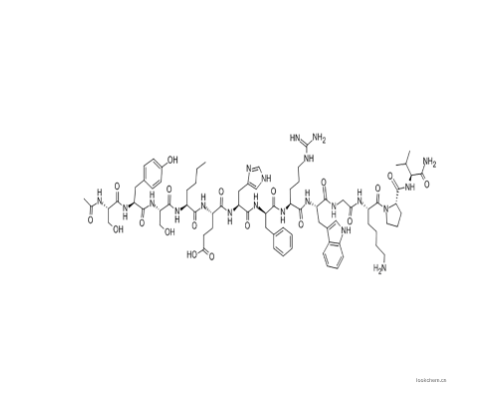
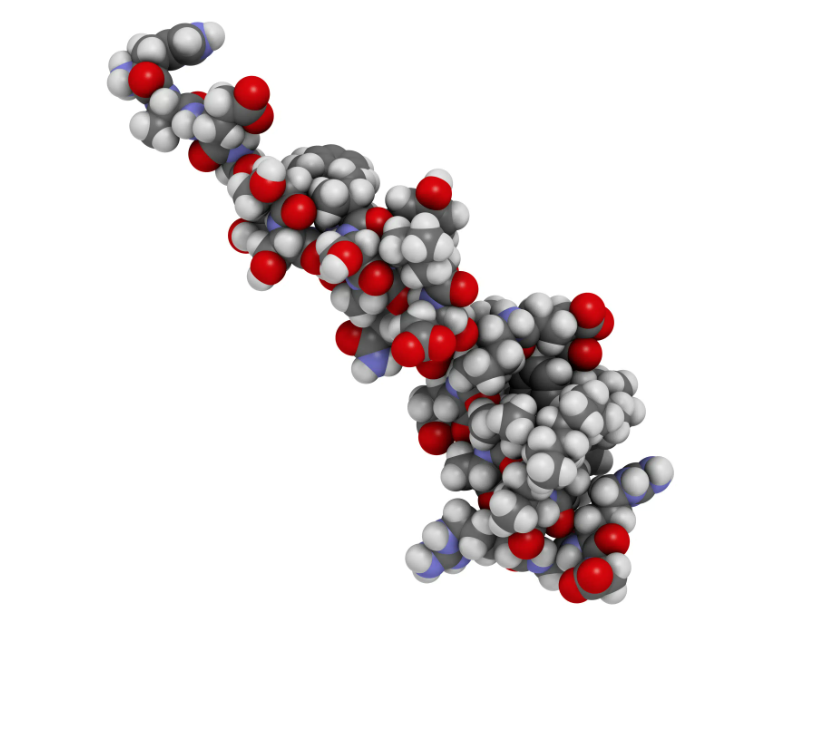
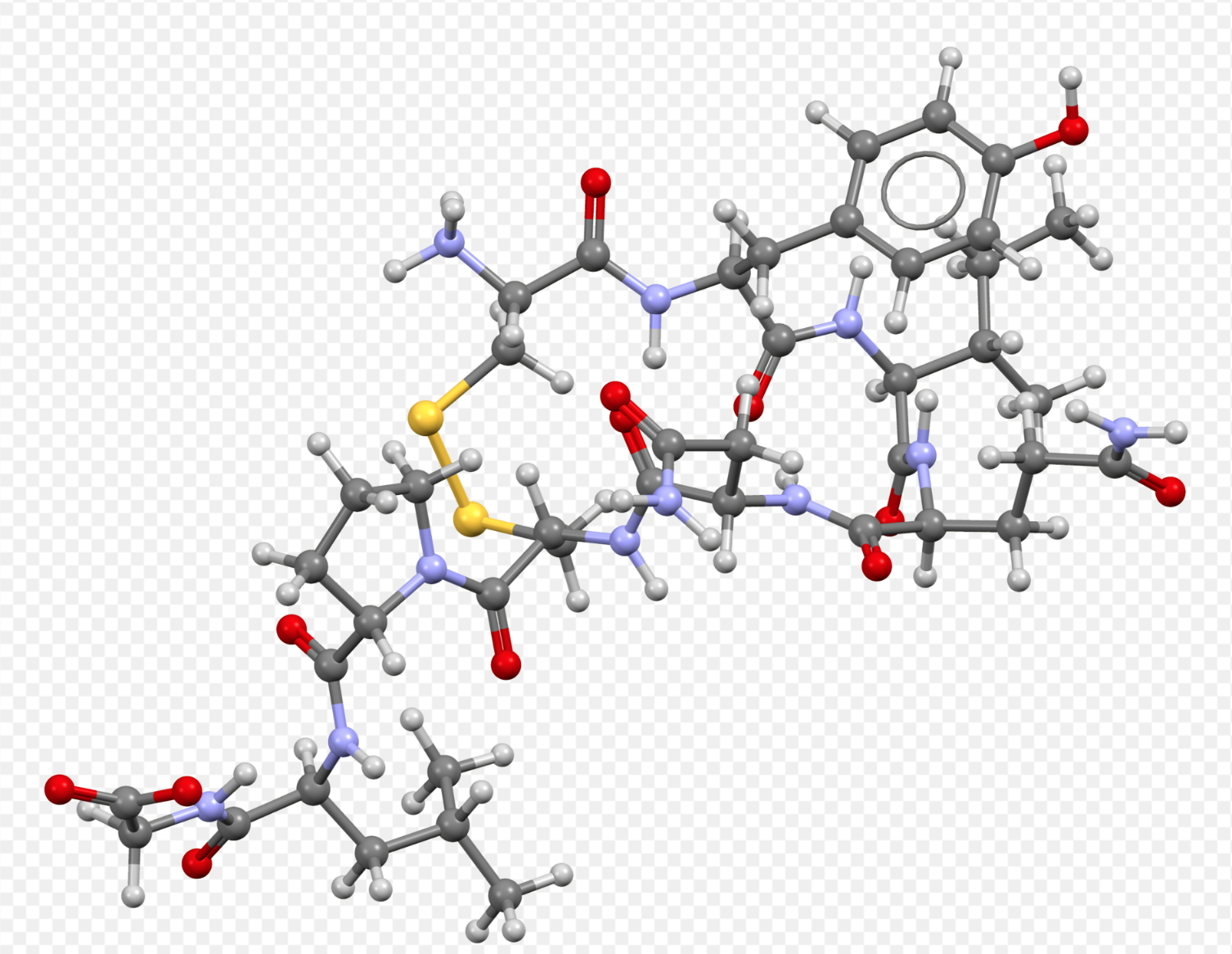
iRGD peptide is a disulfide-bonded cyclic peptide composed of 9 amino acids with a relatively stable structure. Clinically, iRGD peptide is mainly used to detect and treat tumors. It first combines with av integrins, and then enzymatically produces CRGDK/R. It interacts with neuropilin-1 (neuropilin-1), thereby promoting the penetration of the drug into tissues, and has targeted tumors , The role of tumor penetration.
AI Product Description
*The following content is generated by AI and is for reference only.
The iRGD peptide is a highly specialized cyclic peptide derivative widely recognized in the field of targeted drug delivery and cancer therapeutics. Its molecular formula is typically represented as C42H61N9O10S, though exact variations may occur depending on specific synthesis modifications or conjugation partners. The compound does not possess a single universal CAS number because it is often synthesized as part of custom research protocols; however, generic references for the core sequence usually point to catalog numbers provided by major chemical suppliers like Peptides International or custom biotech firms rather than a standard commercial CAS registry entry.
Structurally, iRGD consists of the cyclic RGD motif (Arg-Gly-Asp) linked to an N-terminal end. This unique architecture allows it to function through a dual-targeting mechanism known as tumor-selective transport. Initially, the RGD domain binds with high affinity to integrin receptors, specifically αvβ3 and αvβ5, which are overexpressed on the surface of many tumor cells and neovasculature. Upon binding, the peptide undergoes proteolytic cleavage by enzymes such as neuropilin-1 (NRP-1), exposing a hidden C-end rule (CendR) motif. This exposed motif then facilitates transcytosis across endothelial barriers, significantly enhancing the penetration of co-delivered therapeutic agents deep into solid tumors.
The primary application of iRGD lies in oncology research, where it serves as a potent vehicle for delivering chemotherapy drugs, imaging agents, nanoparticles, and gene therapies directly to malignant tissues. By leveraging this active targeting strategy, researchers aim to maximize therapeutic efficacy while minimizing systemic toxicity associated with conventional treatments. Furthermore, its ability to cross the blood-brain barrier makes it a promising candidate for treating central nervous system malignancies. As a versatile tool in nanomedicine, iRGD continues to be integral in preclinical studies developing next-generation precision medicine solutions, offering a robust platform to overcome biological barriers that traditionally limit drug distribution within complex tumor microenvironments.





 (All Rights Reserved)