Product Description
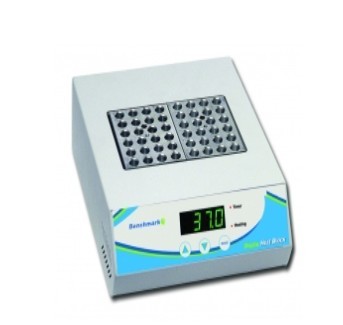
As a kind of accurate temperature control and reliable stirring equipment, intelligent constant temperature magnetic stirrer has a wide range of application prospects and market potential. In the future, with the development of science and technology, the application field will be further expanded, whether in laboratory automation and intelligence or in industrial production on product quality and production efficiency requirements continue to improve, it is of great significance and value.
AI Product Description
*The following content is generated by AI and is for reference only.
The Intelligent Constant Temperature Magnetic Stirrer is a versatile laboratory instrument designed to simultaneously heat and stir liquid samples with high precision. Widely utilized in chemistry, biology, pharmaceuticals, and materials science, this device ensures uniform mixing and accurate thermal control for diverse experimental procedures. Its core function relies on a rotating magnetic field generated by a motor beneath the platform, which drives a magnetic stir bar placed inside a reaction vessel. Unlike traditional mechanical stirrers, it eliminates contamination risks from shaft seals and offers seamless operation in closed systems.
The "intelligent" aspect refers to its advanced digital control system, featuring PID (Proportional-Integral-Derivative) algorithms that maintain temperature stability within tight tolerances, often ±0.1°C. Users can set specific temperatures and stirring speeds via an intuitive LED or LCD interface, allowing for programmable heating ramps and timers. Many models include safety features such as over-temperature protection, dry-run prevention, and automatic fault alarms to safeguard both the equipment and the operator. The non-contact heating mechanism, typically using a ceramic or aluminum alloy plate, ensures rapid heat distribution while resisting chemical corrosion.
When operating this equipment, several precautions are essential for optimal performance and safety. First, always ensure the work surface is stable and level to prevent vibration-induced errors. Before starting, verify that the stir bar is appropriate for the vessel size and volume; an oversized bar may cause excessive splashing or damage the motor. Never operate the unit without a container, as running the magnet empty can lead to overheating and permanent motor failure. Additionally, avoid placing flammable solvents directly on the hot plate if the temperature exceeds their flash point, unless the device is specifically rated for such environments. Regular cleaning of the heating surface with mild solvents is recommended to remove residue, but harsh abrasives should be avoided to preserve the coating. Finally, allow the device to cool completely before moving it or cleaning the internal components to prevent burns. By adhering to these guidelines, researchers can achieve reproducible results while extending the lifespan of this critical laboratory tool.






 (All Rights Reserved)