Product Description
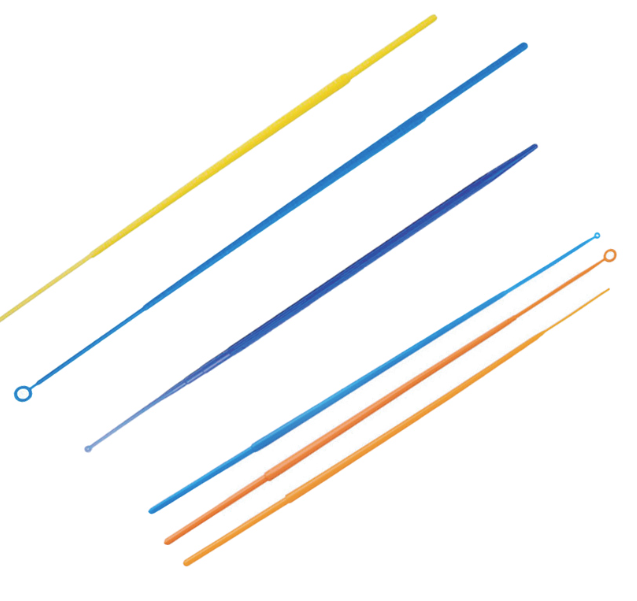
It is used to pick colonies during bacterial culture and perform inoculation operations. It is widely used in many disciplines suchas microbial detection, cellular microorganisms, and molecular biology.
AI Product Description
*The following content is generated by AI and is for reference only.
The product described is a sterile, disposable inoculation loop designed for precise microbial transfer in laboratory settings. Typically constructed with a heat-resistant metal wire or durable plastic tip, these loops are essential tools for microbiologists, biotechnologists, and clinical researchers. The primary function of this instrument is to facilitate the aseptic transfer of bacterial or fungal cultures from one medium to another, such as streaking agar plates for isolation or inoculating liquid broths. The specified 10-microliter volume capacity makes it ideal for quantitative work where small, consistent sample sizes are required without overloading the culture surface.
Manufactured under strict sterile conditions, often sealed in individual blister packs or wrapped in sterile barriers, these loops eliminate the risk of cross-contamination between samples. Unlike reusable metal loops that require frequent flaming and cooling, disposable versions offer immediate readiness and significant time savings. They are particularly valuable in high-throughput environments where speed and consistency are critical. The "Ind Wrap" designation indicates an industrial-grade sterilization packaging method, ensuring the product remains uncontaminated until the moment of use. Users simply open the package, touch the colony or broth, and discard the loop immediately after the procedure, adhering to biohazard disposal protocols.
Safety precautions are paramount when handling these devices. Although pre-sterilized, users must maintain a clean workspace and avoid touching the loop tip before application to preserve sterility. After use, the contaminated loop must be treated as biohazardous waste and disposed of in designated sharps or biological waste containers, never in regular trash. While the material is generally safe for standard lab temperatures, extreme heat should still be avoided unless the specific model is rated for autoclaving, though most disposable variants are single-use only. Proper training ensures that researchers can effectively isolate colonies, perform subculturing, and conduct sensitivity tests with high accuracy, making this tool a fundamental component of modern microbiological workflows.





 (All Rights Reserved)