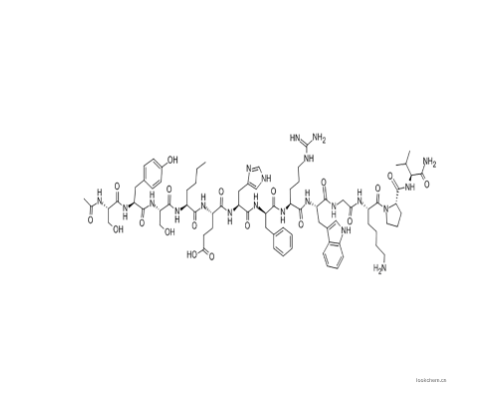
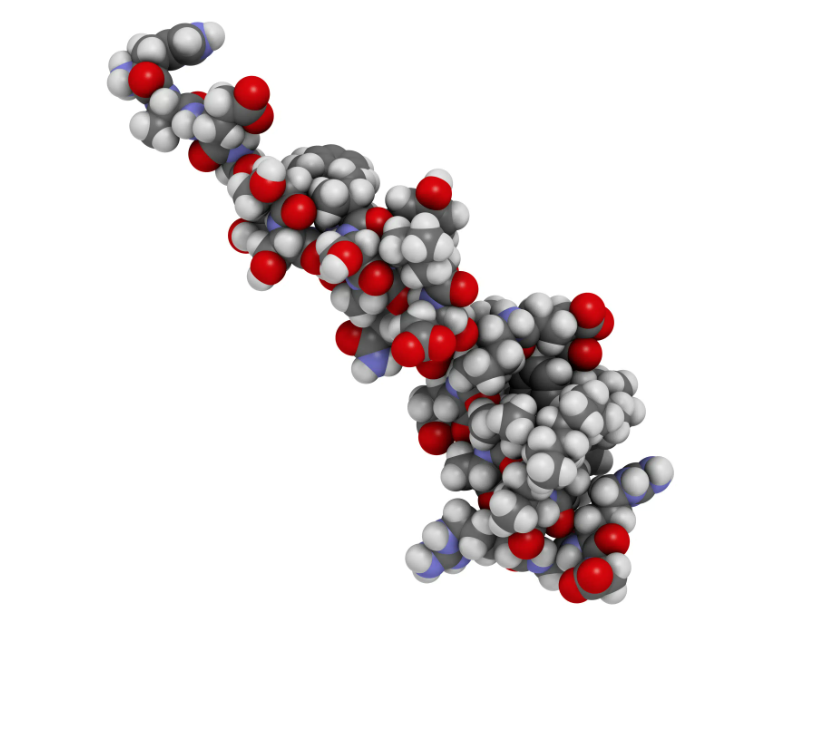
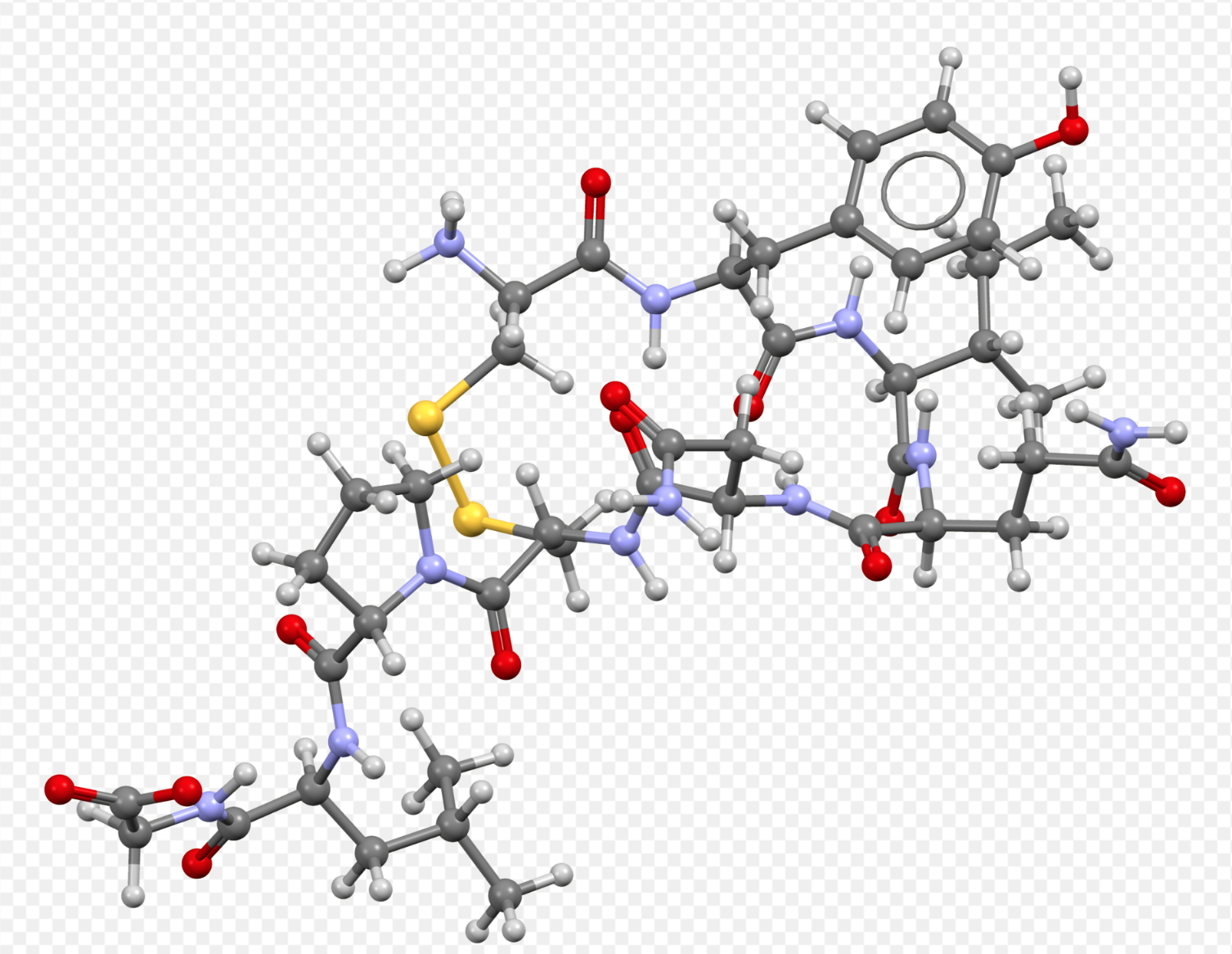
Antimicrobial peptides derived from mammals can be divided into defensins and Cathelicidins based on their structural and biological characteristics. Indolicidin is one of the members of the Cathelicidins family. Indolicidin is an antimicrobial peptide isolated from the cytoplasmic granules of bovine neutrophils. Its structure is ILWPKWPWWPWRR- bnmmmmb NH2, containing only 6 kinds of 13 amino acids in total, and it is one of the smallest natural linear antibacterial peptides known so far. The carboxyl terminus of this peptide is amidated and contains 39% tryptophan residues and 23% proline residues. This is the Cathelicidins family or even one of the highest-tryptophan peptides in known proteins. Indolicidin has a broad antibacterial spectrum and has strong antibacterial activity against a variety of aerobic Gram-negative bacteria, Gram-positive bacteria and fungi.