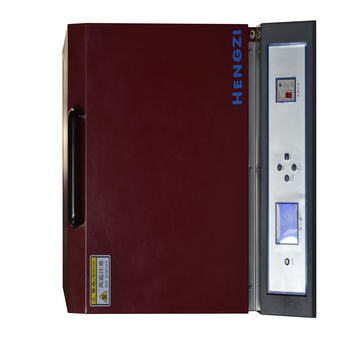
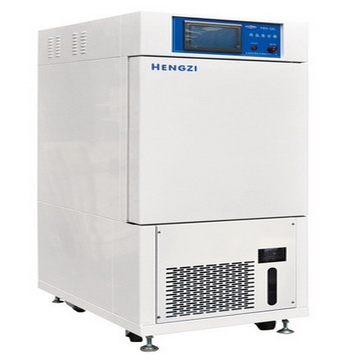
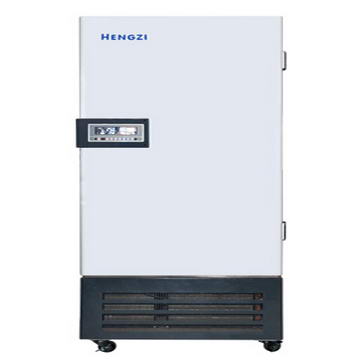
This incubator is a high precision thermostatic equipment with illumination. It’s applicable in plant germination, culture of seeding, microbes incubation, water body BOD test and other thermostatic experiment. It’s an ideal laboratory equipment in the department of production, research and education in the fields of biology genetic engineering, pharmaceuticals, agriculture, forestry, environmental science, cattle husbandry and aquaculture, etc.
*The following content is generated by AI and is for reference only.
This specialized laboratory incubator is designed to provide a stable, controlled environment for the cultivation of sensitive biological samples, particularly cell lines and tissue cultures requiring precise atmospheric regulation. Its primary function extends beyond simple temperature maintenance by integrating a built-in illumination system, making it uniquely suited for photobiology applications, algae growth studies, or experiments involving light-sensitive microorganisms that require specific circadian rhythms or photosynthetic cycles. The unit typically features advanced microprocessor controls to ensure uniform temperature distribution across the chamber, minimizing thermal gradients that could compromise experimental integrity.
Key operational parameters often include a wide temperature range capable of maintaining conditions from ambient levels up to 60°C, alongside humidity control mechanisms to prevent media evaporation during long-term cultures. The internal lighting system is engineered to deliver consistent photon flux without generating excessive heat, which is critical when studying light-dependent cellular processes. Users must ensure proper ventilation around the device to dissipate heat generated by both the heating elements and the light sources effectively. Regular calibration of sensors is essential to maintain accuracy, as even minor deviations can significantly alter cell viability or growth rates.
Safety protocols dictate that users should avoid placing flammable materials near the unit due to potential ignition risks from electrical components. It is also recommended to use only compatible glassware or containers that can withstand the internal environmental conditions. Before operation, the chamber should be sterilized using standard autoclaving or chemical methods to prevent cross-contamination between different biological batches. Additionally, power interruptions should be mitigated through backup systems or alarms, as sudden drops in temperature or loss of light cycles can lead to rapid sample degradation. Proper documentation of all environmental logs is vital for reproducibility in scientific research. Ultimately, this equipment serves as a cornerstone for advanced biological research where light and temperature synergy are paramount for successful experimentation.





 (All Rights Reserved)