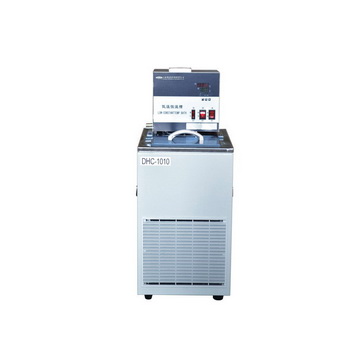
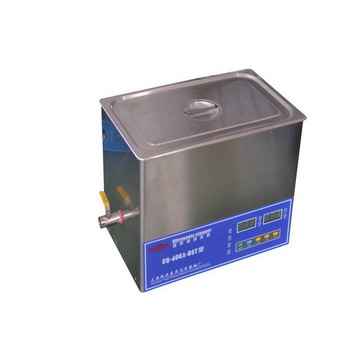
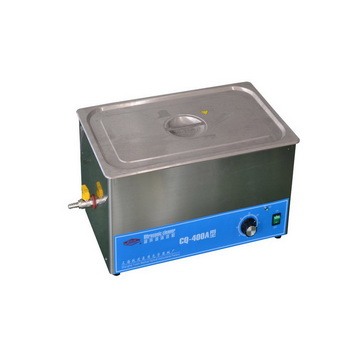
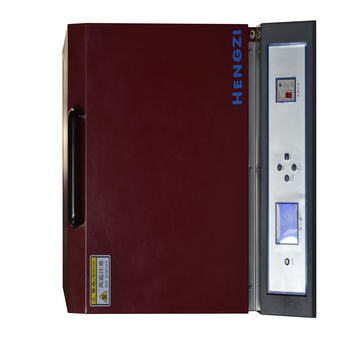
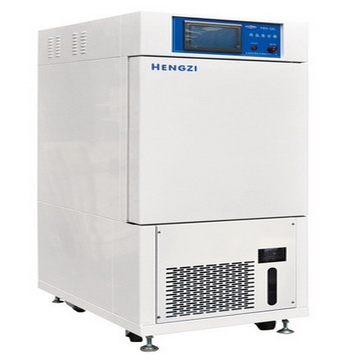
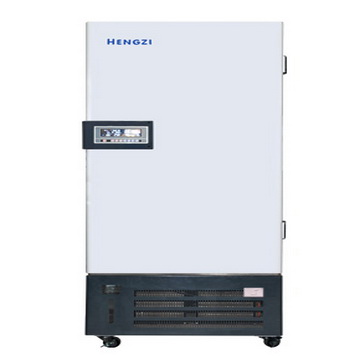
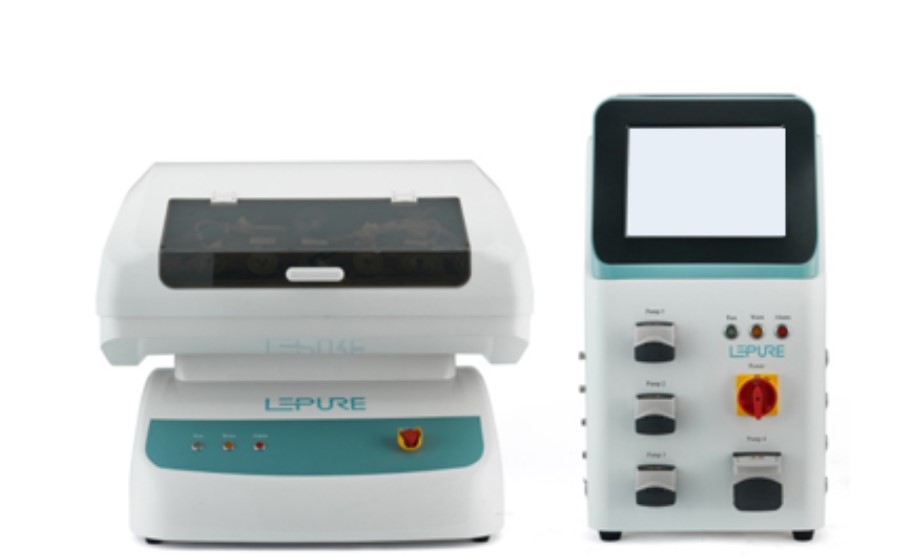
Especially aplied for gene amplification experiment,also for constant temperature experiments and auxiliary heating wirh three levels in medical care,agriculture and foerdtry institute,as well as R&D institution.
*The following content is generated by AI and is for reference only.
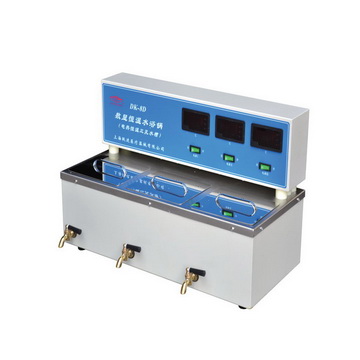
The three-slot water bath is a versatile laboratory instrument designed to maintain precise and uniform temperatures for multiple samples simultaneously. Widely utilized in biological, chemical, and medical research, this device features three distinct heating compartments, allowing researchers to conduct parallel experiments under identical thermal conditions without cross-contamination. Its primary function is to incubate reagents, culture media, or biological specimens at controlled temperatures, ensuring optimal reaction rates and sample stability during critical procedures such as enzymatic assays, DNA hybridization, and cell culture maintenance.
Constructed with high-grade stainless steel interiors, these units offer superior corrosion resistance and ease of cleaning, essential for maintaining sterile environments. The temperature control system typically employs digital sensors and microprocessors to achieve accuracy within ±0.1°C, providing reliable performance across a wide range from ambient to near-boiling levels. Most models include adjustable thermostat controls, safety over-temperature protection, and audible alarms to prevent equipment damage or sample loss due to overheating.
When operating a three-slot water bath, users must strictly adhere to safety protocols to ensure longevity and personal safety. It is crucial to fill the tanks with distilled or deionized water only; tap water can cause scaling and sensor drift over time. Never operate the unit dry, as this can permanently damage heating elements and void warranties. Additionally, avoid placing flammable substances directly into the water bath unless specifically rated for such use, as open flames or sparks near heated liquids pose significant fire hazards. Regular maintenance involves draining and refilling the water periodically to prevent microbial growth and mineral buildup. Always unplug the device before cleaning or performing any internal adjustments. Properly covering the slots when not in use minimizes evaporation and reduces energy consumption. By following these guidelines, laboratories can maximize the efficiency and lifespan of their equipment while ensuring reproducible experimental results. This robust design makes it an indispensable tool for modern scientific inquiry requiring consistent thermal management across multiple samples.





 (All Rights Reserved)