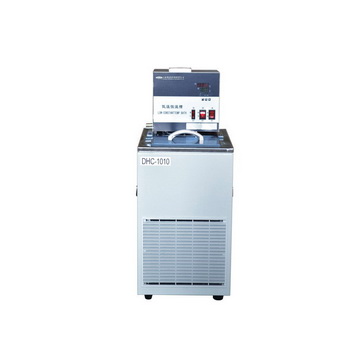
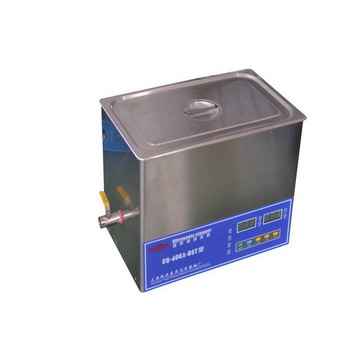
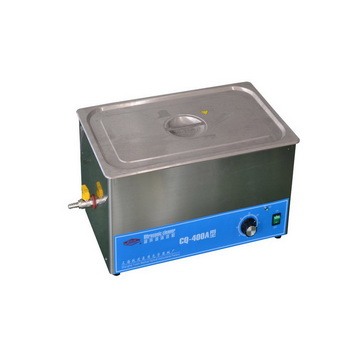
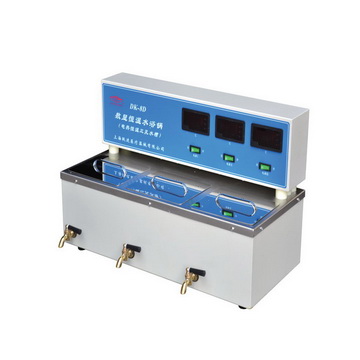
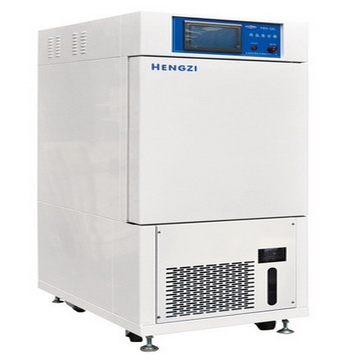
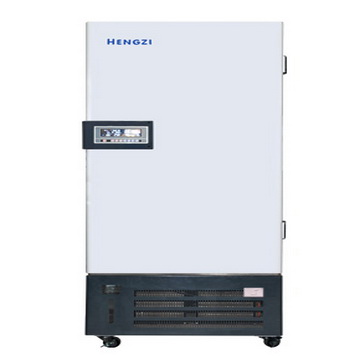
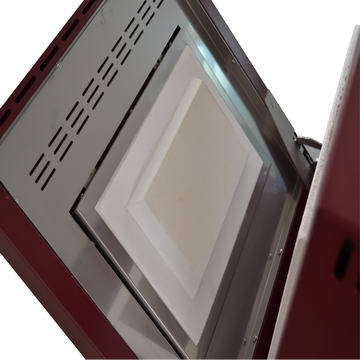
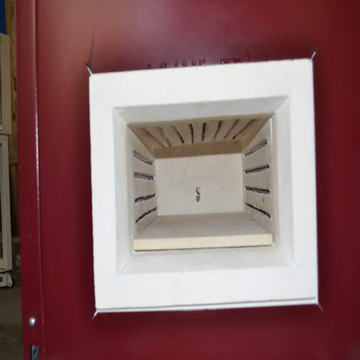
This series of furnace is periodic operation type, used for element analysis and diagnosis in labs,industrial and mining enterprise,R&D institutions and heating during hardening, temper and anneal of small steel plates ,as well as heating for sintering,dissolution and diagnosis of mental and ceramics.etc..
*The following content is generated by AI and is for reference only.
The laboratory resistance furnace is a versatile heating instrument widely used across scientific research, industrial quality control, and educational institutions. Its primary function is to provide precise, high-temperature environments for various thermal processes. Common applications include sintering ceramic materials, annealing metals to relieve internal stresses, hardening alloys, ashing organic samples for elemental analysis, and calcining powders. The device typically features a robust refractory lining and high-resistance heating elements capable of reaching temperatures up to 1200°C or higher, depending on the specific design. Modern units often incorporate advanced PID controllers to ensure exceptional temperature stability and uniformity throughout the chamber, which is critical for reproducible experimental results.
Operation requires strict adherence to safety protocols due to the extreme heat involved. Users must always wear appropriate personal protective equipment, including heat-resistant gloves and safety goggles, when handling hot crucibles or opening the door. It is imperative never to place flammable, explosive, or volatile substances inside the furnace, as they can ignite or cause dangerous pressure buildup. Additionally, samples containing moisture should be pre-dried before insertion to prevent steam explosions that could damage the refractory bricks. Adequate ventilation is essential to dissipate any fumes generated during the process.
Maintenance involves regular inspection of heating elements and insulation integrity to prevent energy loss or failure. The furnace should be allowed to cool completely before cleaning or moving to avoid thermal shock to the internal structure. Avoid rapid cooling by keeping the door closed until the internal temperature drops below safe handling limits. Proper usage ensures longevity and consistent performance, making this equipment an indispensable tool for material science and chemical processing laboratories where controlled thermal treatment is required.






 (All Rights Reserved)