Product Description
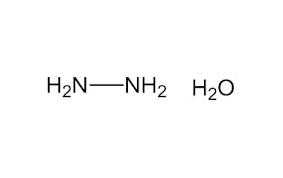
Hydrazine Hydrate serves multiple industrial purposes. It functions as a powerful reducing agent, a corrosion inhibitor in boiler systems, and a precursor for polymerization. Additionally, in water treatment, it acts as an oxygen scavenger, helping to prevent corrosion by removing oxygen from water systems.
AI Product Description
*The following content is generated by AI and is for reference only.
Hydrazine hydrate is a colorless, fuming liquid with a strong ammonia-like odor, serving as a critical reagent in industrial and chemical synthesis processes. Its molecular formula is N₂H₄·xH₂O, typically existing as an aqueous solution containing 35% to 64% hydrazine by weight, though pure anhydrous hydrazine (N₂H₄) also exists as a highly reactive liquid. The substance is identified by the CAS number 10217-52-4 for the hydrate form. This compound is characterized by its high energy content and potent reducing properties, making it indispensable across various sectors.
In the pharmaceutical industry, hydrazine hydrate acts as a key intermediate for synthesizing antitubercular drugs like isoniazid and various sulfa drugs. It plays a pivotal role in the production of agrochemicals, including herbicides and pesticides, where it facilitates the formation of specific heterocyclic structures. Furthermore, it is extensively utilized in the manufacture of polymerization initiators and blowing agents for foam plastics. In the aerospace and automotive fields, anhydrous hydrazine and its derivatives are renowned as hypergolic rocket fuels, igniting spontaneously upon contact with oxidizers, which ensures reliable engine performance in space missions. Additionally, hydrazine hydrate functions as an oxygen scavenger in boiler water treatment systems, effectively preventing corrosion in power plants and industrial heating systems by reacting with dissolved oxygen.
Despite its utility, hydrazine hydrate is classified as toxic, corrosive, and potentially carcinogenic. Strict safety protocols, including proper ventilation, personal protective equipment, and spill containment measures, are mandatory during handling and storage due to its volatility and potential to cause severe health hazards. Its instability under certain conditions requires careful temperature control to prevent decomposition or explosion. As a versatile yet hazardous chemical, hydrazine hydrate remains a cornerstone in modern chemical engineering, balancing significant industrial benefits with rigorous safety management requirements to ensure operational integrity and environmental protection.






 (All Rights Reserved)





![8-Oxa-1,3-diazaspiro[4.5]decane-2,4-dione](https://eimg.pharmasources.com/image/product/20250403/60fa7223d5a34f24138486ceea0ffb15jpg)
![8,16-Diazadispiro[6.1.6.2]heptadecan-17-one](https://eimg.pharmasources.com/image/product/20250403/ca91cba8b87e53fc879f8d8764873a40jpg)
![6,8-Dioxo-5,7-diazaspiro[3.4]octane-2-carboxylic acid](https://eimg.pharmasources.com/image/product/20250403/02effeb5a7639bc84ff1f3add3c0c64fjpg)