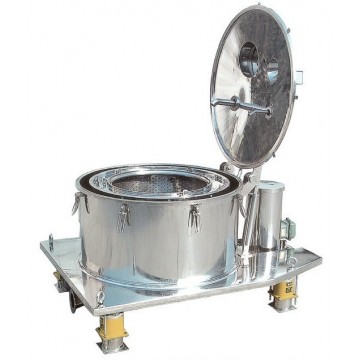
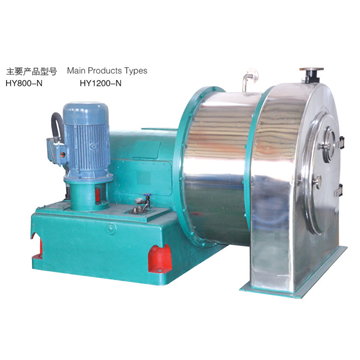
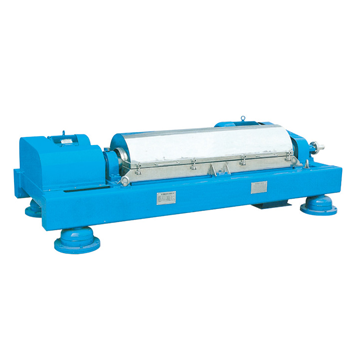
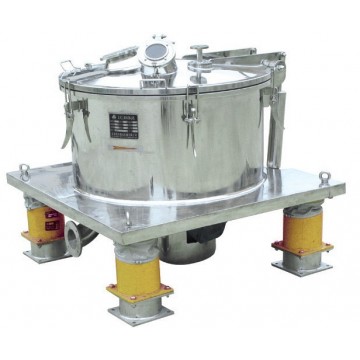
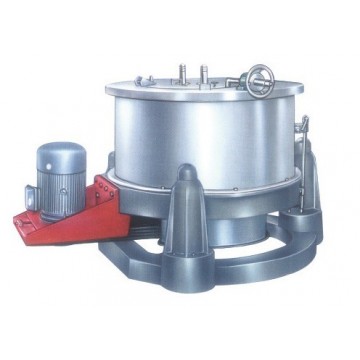
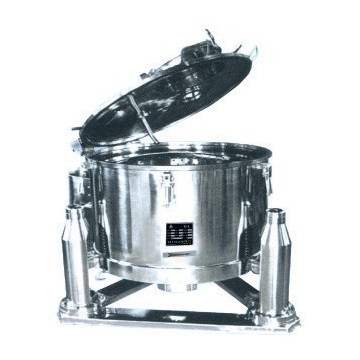
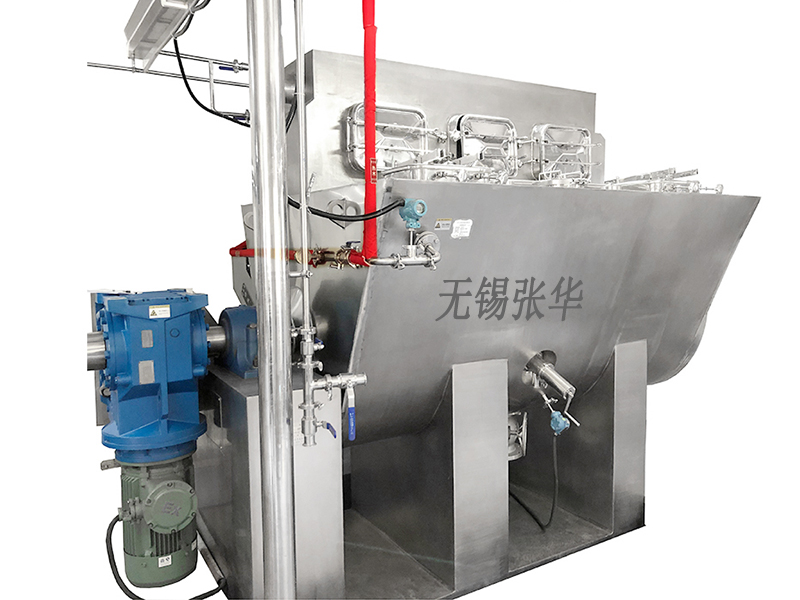
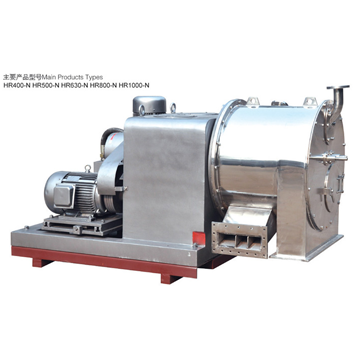
HRtype centrifuge has features as continuous and stable operation, large production capacity, good cleaning effect, high separation factor, high output, etc. It is suitable for chemical, fertilizer, salt and other industries.
*The following content is generated by AI and is for reference only.
The horizontal piston-pusher centrifuge is a specialized continuous solid-liquid separation machine designed for high-capacity industrial applications. Unlike batch-type centrifuges, this equipment operates continuously, making it ideal for processing large volumes of slurries in sectors such as chemical manufacturing, petrochemicals, pharmaceuticals, and food processing. The core mechanism involves a rotating basket where the feed slurry is introduced, and solids are retained on the filter medium while the liquid filtrate exits through the screen. A reciprocating piston pushes the accumulated cake out of the basket at regular intervals, ensuring uninterrupted operation even with difficult-to-dewater materials.
This technology excels in handling fine particles and sticky substances that often clog other filtration systems. Its design allows for precise control over residence time and cake thickness, optimizing dewatering efficiency and product recovery rates. The machine typically features a robust stainless steel construction to resist corrosion from aggressive chemicals, ensuring long-term reliability in harsh environments. Furthermore, modern variants often include automated control systems for monitoring vibration, speed, and discharge cycles, enhancing safety and operational consistency.
When operating this equipment, several critical precautions must be observed. First, proper balancing during startup is essential to prevent excessive vibration that could damage bearings or the drive system. Operators should ensure that the feed concentration remains within specified limits; deviations can lead to uneven cake formation or blockage. Regular inspection of the piston seals and hydraulic systems is necessary to prevent leaks and maintain consistent pushing force. Additionally, strict adherence to lockout-tagout procedures during maintenance is vital due to the high rotational speeds involved. Before any intervention, the machine must come to a complete stop and be isolated from power sources. Finally, selecting the correct filter cloth based on particle size and chemical compatibility is crucial for maximizing performance and minimizing downtime. By following these guidelines, facilities can achieve efficient, safe, and continuous separation processes suitable for demanding industrial workflows.





 (All Rights Reserved)