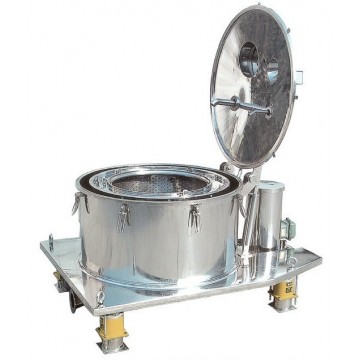
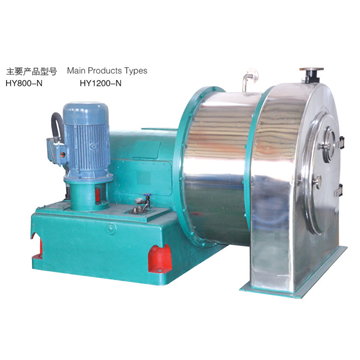
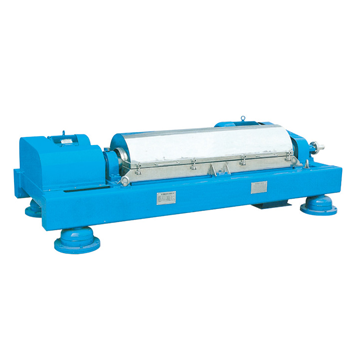
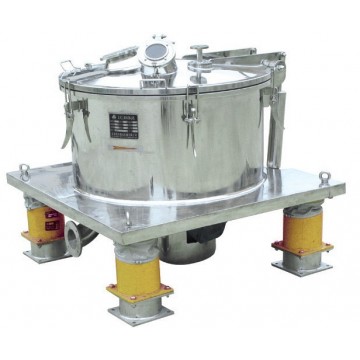
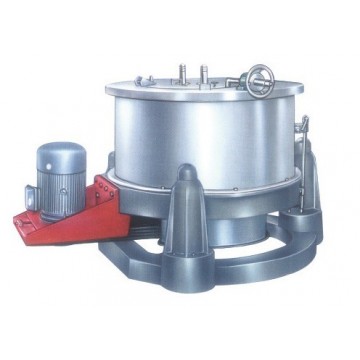
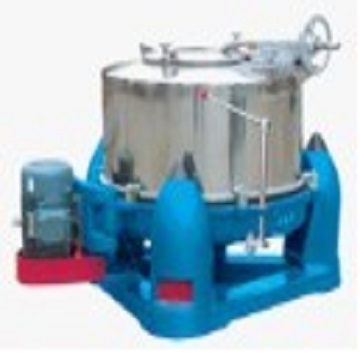
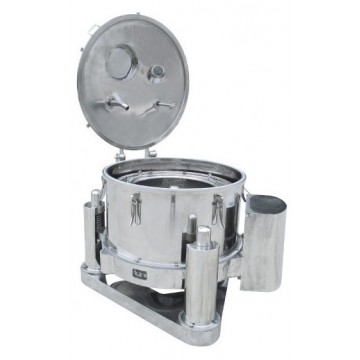
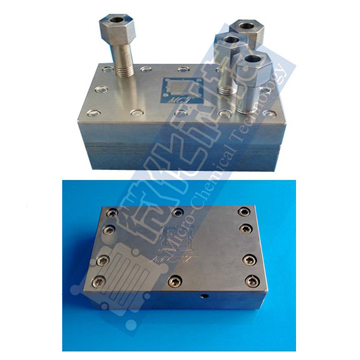
Used in solid-liquid phase separation for granular suspension liquid, such as: gypsum, copper sulfate, potassium chloride, dye,salt, food additive, starch, vitamine, copper, zinc, aluminium, sludge treatment, sewage treatment, etc.
*The following content is generated by AI and is for reference only.
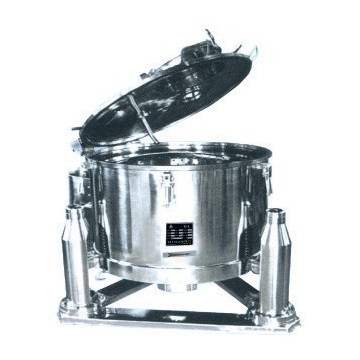
The clean type top discharge centrifuge is a specialized industrial separation unit designed for high-efficiency dewatering and solid-liquid separation in demanding processing environments. Primarily utilized in chemical, pharmaceutical, food processing, and wastewater treatment industries, this equipment excels at handling fine particles and slurries that require rapid moisture removal while maintaining product purity. Its defining feature, the top discharge mechanism, allows for the continuous or semi-continuous removal of accumulated solids without stopping the machine or dismantling the bowl, significantly enhancing operational efficiency and reducing downtime compared to bottom-discharge models.
Constructed with corrosion-resistant materials and sealed components, the "clean type" designation ensures minimal contamination risk, making it ideal for applications requiring strict hygiene standards or where product cross-contamination must be avoided. The device operates by spinning a perforated basket at high speeds, generating centrifugal force that pushes liquid through the filter media while retaining solids on the basket wall. Once the cycle completes, a mechanical scraper or knife system lifts the solids from the top for easy removal.
Key safety and operational precautions are critical for optimal performance. Operators must ensure the feed slurry concentration remains within specified limits to prevent motor overload or excessive vibration. Regular inspection of the drive belt, bearings, and sealing systems is essential to maintain balance and prevent mechanical failure. Before any maintenance or cleaning procedure, the machine must be completely powered down, locked out, and isolated from energy sources to avoid accidental startup. Furthermore, due to the high rotational speeds involved, all access doors and safety guards must remain securely closed during operation to protect personnel from flying debris. Proper calibration of the control system is also necessary to manage acceleration rates and braking times, ensuring smooth transitions that extend the lifespan of the equipment. Adhering to these guidelines guarantees reliable, safe, and efficient separation processes across various industrial sectors.





 (All Rights Reserved)