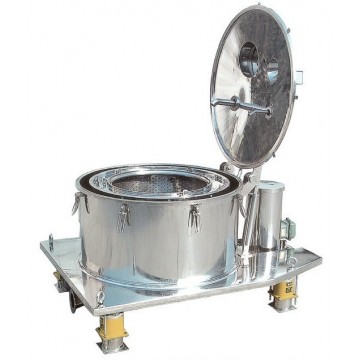
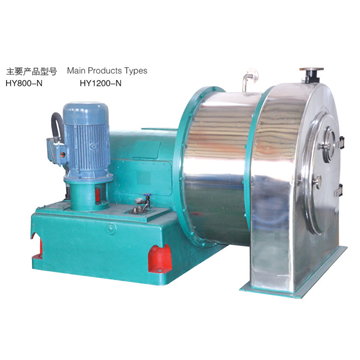
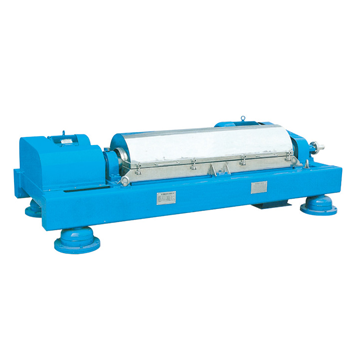
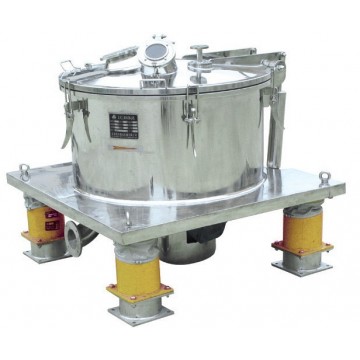
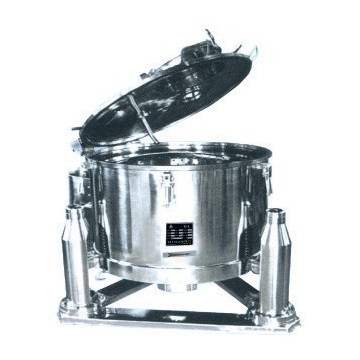
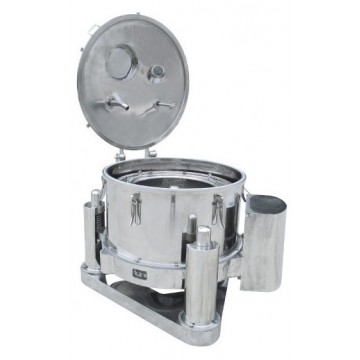
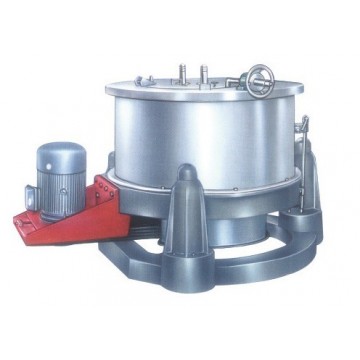
SX type bottom discharge centrifuge can be applied to separate suspension liquid with solid concentration of 5-60%, and particle size range of 0.5-1.5mm. This centrifuge has advantages as simple structure, reliable performance, convenient for operation and maintenance, etc. It can be widely used in chemical, light industry, food, metallurgy and other industries.
*The following content is generated by AI and is for reference only.
The bottom discharge centrifuge is a specialized industrial separation device designed for high-efficiency solid-liquid separation, particularly in applications requiring the handling of abrasive, corrosive, or heat-sensitive slurries. Unlike top-discharge models where solids are removed through an opening at the top, this configuration features a discharge port located at the base of the bowl. This design allows for continuous or semi-continuous operation without interrupting the feed process, making it ideal for large-scale production environments such as chemical processing, pharmaceutical manufacturing, food and beverage production, and wastewater treatment.
The primary function of this equipment is to separate suspended solids from liquids using centrifugal force. As the slurry enters the rotating basket, denser particles migrate outward against the screen wall, forming a cake layer, while the clarified liquid exits through the overflow weir. The unique bottom discharge mechanism facilitates rapid and complete removal of the solid cake, significantly reducing cycle times and minimizing manual intervention. This feature is crucial for maintaining hygiene standards in sensitive industries and ensuring consistent product quality by preventing residue buildup that could lead to contamination or bacterial growth.
Operational safety and maintenance are paramount when utilizing bottom discharge centrifuges. Operators must ensure that all access panels and safety interlocks are securely engaged before starting the machine to prevent accidental exposure to moving parts. Regular inspection of the discharge valve and sealing mechanisms is essential to avoid leaks, which can cause environmental hazards or equipment damage. Furthermore, because these units often handle aggressive materials, selecting appropriate construction materials like stainless steel alloys or specialized coatings is vital to resist corrosion. Proper lubrication of bearings and alignment checks should be performed according to manufacturer schedules to extend service life. Additionally, operators must strictly adhere to load limits; overloading the basket can cause severe mechanical stress, leading to catastrophic failure. By following strict operational protocols and conducting routine preventive maintenance, facilities can maximize throughput efficiency while ensuring a safe working environment.





 (All Rights Reserved)