Cas No. :1184-16-3
NADP: Nicotinamide adenine dinucleotide phosphate
Formula: C21H27N7O17P3. Na
Molecular Weight: Mr=765.4
CAS No.: 1184-16-3
Application: API, Intermediate, Diagnostic kit, Enzyme kits, etc
Specification:
Purity: > 95%
Moisture: <8%
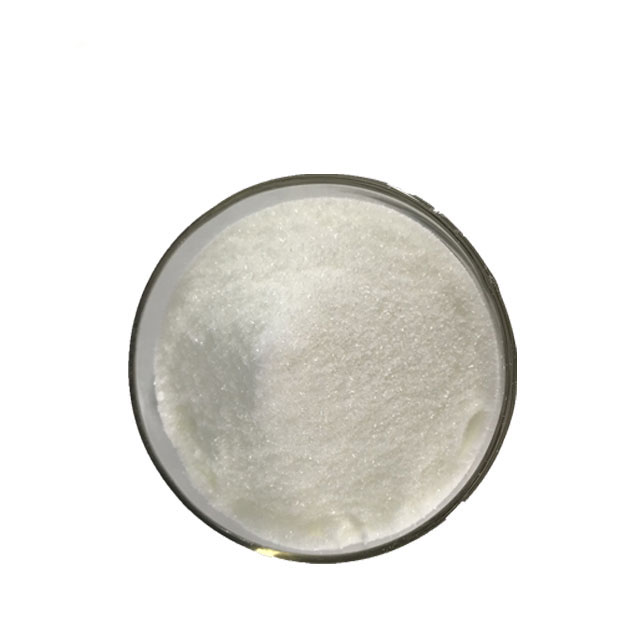
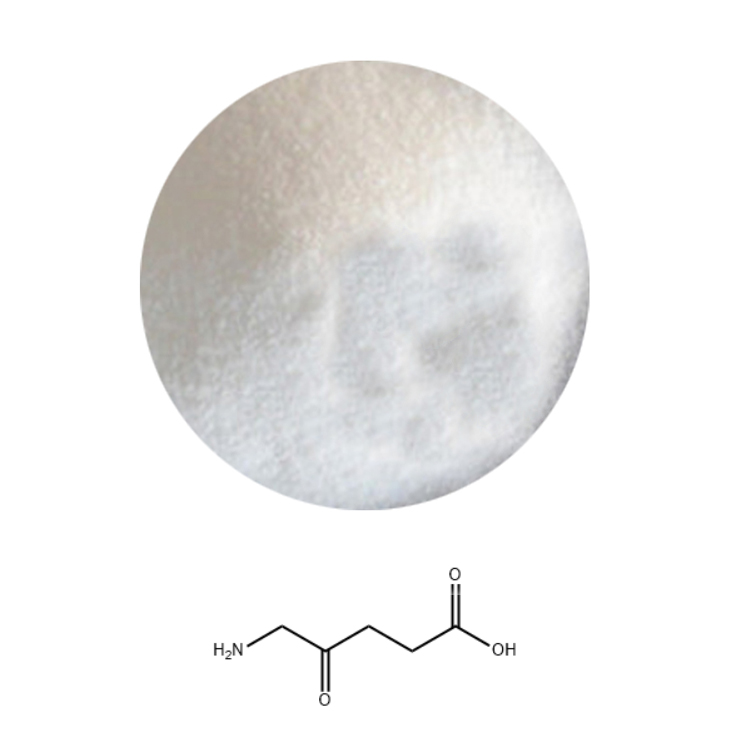
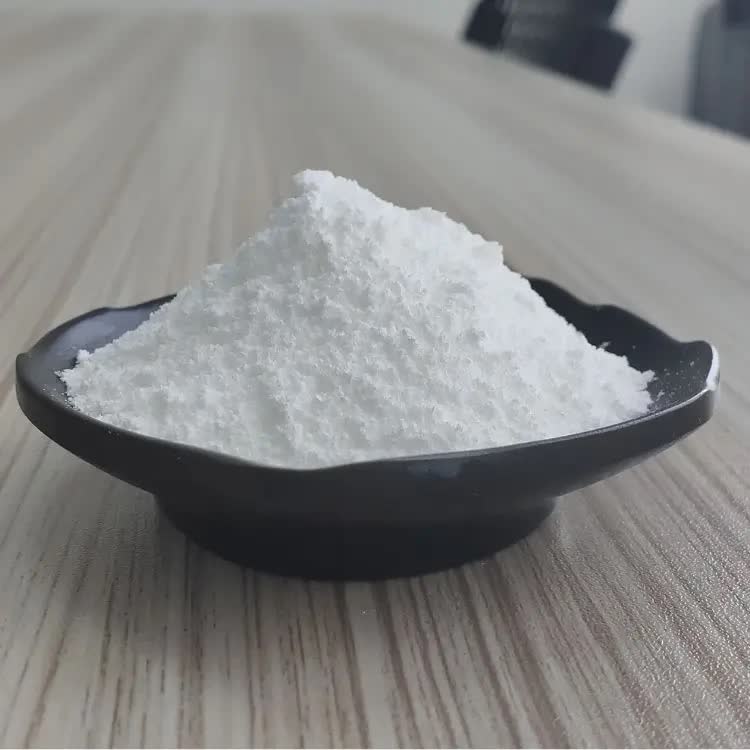
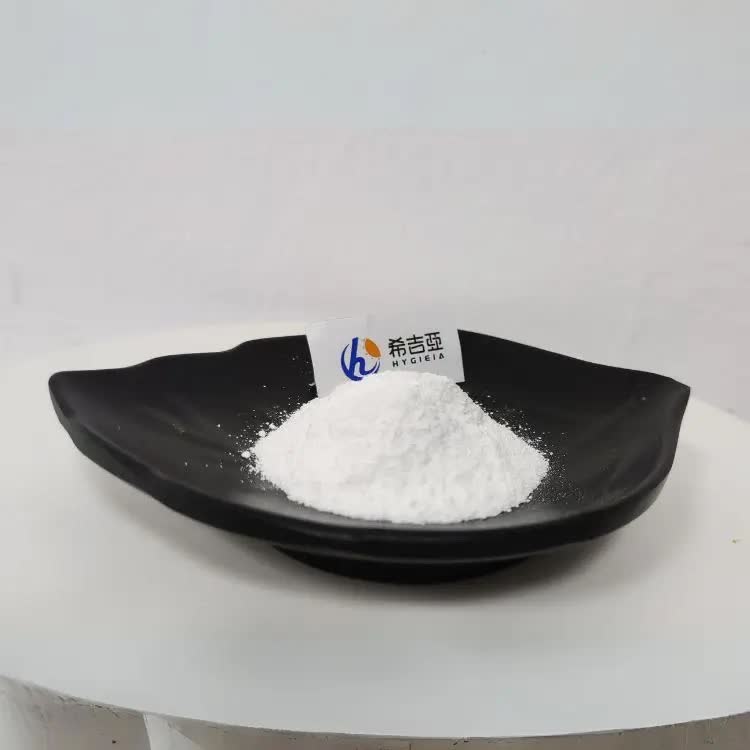
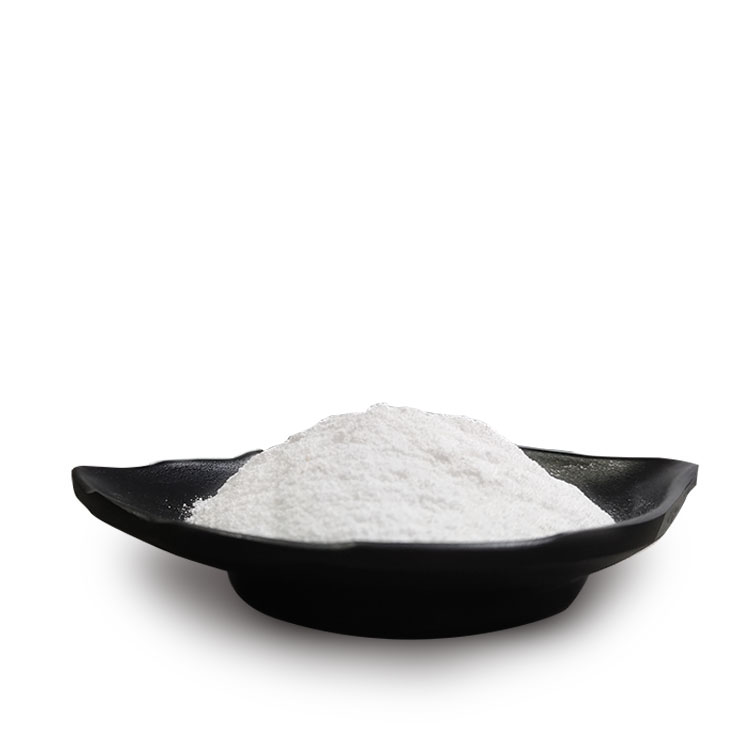
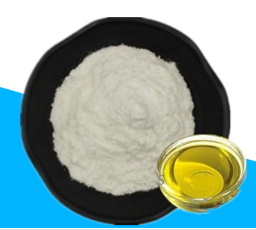
Appearance: White to yellowish powder
Solubility: (c=200mg/ml)Clear, colorless to yellowish solution in water
PH value in water: Approximately 4.0-6.0 (c=50mg/ml)
Heavy metal(as Pb): No more than 20ppm
Stability:
Solid: Stable at +2 to +8C
Storage:
Keep in dry and refrigerated place and protected from light. For prolonged storage keep below -20C
*The following content is generated by AI and is for reference only.
High purity NADP+ coenzyme II monosodium is a vital biochemical reagent widely utilized in research and diagnostic applications. As the oxidized form of nicotinamide adenine dinucleotide phosphate, it serves as an essential electron carrier in numerous metabolic pathways, particularly within the pentose phosphate pathway where it facilitates the generation of NADPH for biosynthetic reactions and antioxidant defense systems. This specific monosodium salt formulation offers superior solubility in aqueous solutions compared to its free acid counterpart, making it ideal for preparing precise concentrations in enzymatic assays without requiring pH adjustment that might affect stability.
In laboratory settings, this high-purity compound is indispensable for quantifying enzyme activities involving dehydrogenases, such as glucose-6-phosphate dehydrogenase (G6PD) and malic enzyme. Researchers frequently employ it in spectrophotometric assays to monitor reaction kinetics by measuring the absorbance change at 340 nm as NADP+ is reduced to NADPH. Its exceptional purity minimizes background interference, ensuring accurate data interpretation in studies related to oxidative stress, DNA repair mechanisms, and lipid metabolism. Furthermore, it plays a critical role in recombinant protein expression systems and cell culture media optimization where redox balance is crucial for cellular health.
When handling High purity NADP+ coenzyme II monosodium, strict adherence to safety protocols is necessary. Although generally considered low toxicity, direct contact with skin or eyes should be avoided; appropriate personal protective equipment, including gloves and safety goggles, is mandatory during preparation. The substance should be stored in a cool, dry place away from light, ideally at -20°C, to prevent degradation, as NADP+ derivatives are sensitive to hydrolysis and oxidation. Solutions prepared in the lab must be used promptly or aliquoted and frozen to maintain activity. Users should also ensure proper disposal of waste according to local regulations regarding biological chemicals. By maintaining rigorous quality control and storage conditions, scientists can maximize the efficacy and reliability of this fundamental coenzyme in advancing biochemical and medical research.






 (All Rights Reserved)