Product Description
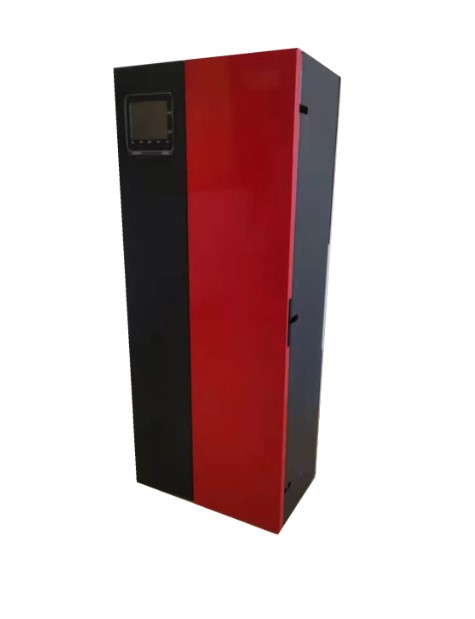
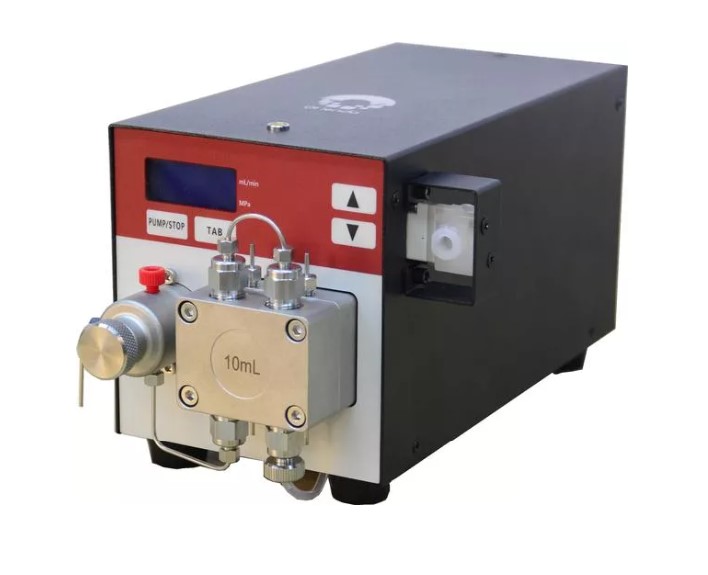
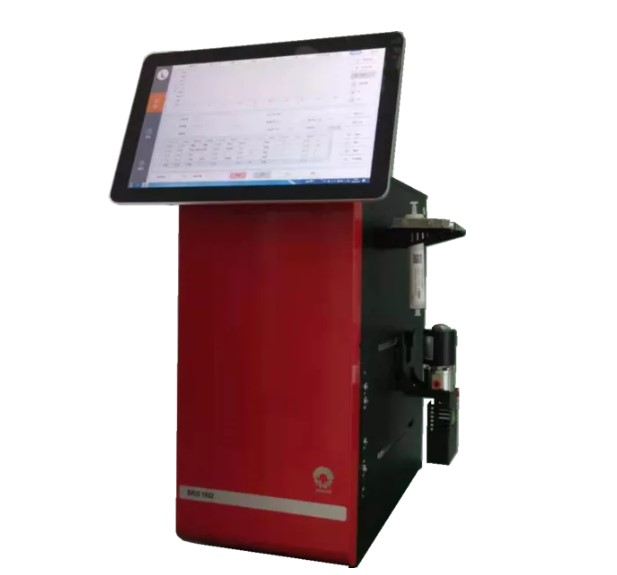
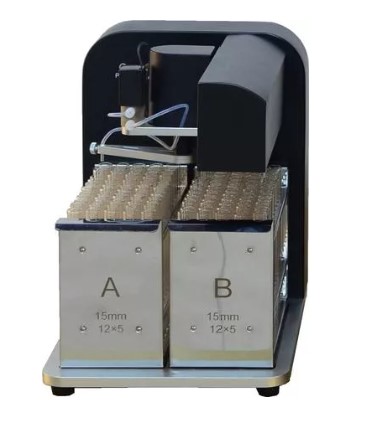
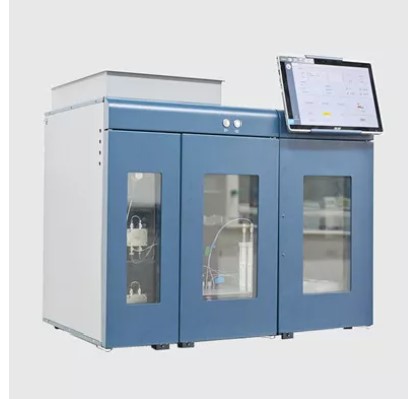
Heavy oil four component automatic analysis system
The heavy oil four component automatic analyzer adopts the weight method, which meets the analysis of heavy oil/residual oil four components. The analysis time is shortened to 6 hours, and the accuracy and repeatability of the analysis are greatly improved
AI Product Description
*The following content is generated by AI and is for reference only.
The heavy oil four-component automatic analysis system is a specialized analytical instrument designed to rapidly and accurately determine the composition of complex petroleum residues. Its primary function is to separate and quantify the four major fractions found in heavy crude oils: saturates, aromatics, resins, and asphaltenes. This detailed characterization is critical for the energy sector, enabling refineries to optimize processing strategies, predict catalyst performance, and assess fuel quality. By providing precise data on these components, the system helps engineers understand the viscosity, stability, and combustion properties of heavy feedstocks, which directly influences the efficiency of conversion processes like coking or hydrocracking.
Operation of this automated system relies on advanced chromatographic techniques combined with intelligent software control. The instrument automatically handles sample preparation, separation, and detection, significantly reducing human error and minimizing exposure to hazardous solvents often used in traditional manual methods. Users typically load prepared samples into the system, after which it executes a predefined protocol to isolate each component based on their chemical polarity and molecular weight. The resulting data is immediately processed to generate comprehensive reports suitable for regulatory compliance and internal quality assurance.
When utilizing this equipment, several precautions are essential to ensure safety and data integrity. First, strict adherence to ventilation protocols is required due to the volatile nature of the solvents involved, such as n-heptane and toluene. Personnel must wear appropriate personal protective equipment, including chemical-resistant gloves and safety goggles. Regular maintenance of the injection ports, columns, and detectors is crucial to prevent contamination from asphaltene deposits, which can clog narrow tubing and degrade separation efficiency. Furthermore, operators should calibrate the system frequently using standard reference materials to maintain accuracy. Proper waste disposal procedures must also be followed to comply with environmental regulations regarding organic solvent waste. Ultimately, this system serves as an indispensable tool for modern petrochemical laboratories seeking high-throughput, reliable analysis of difficult-to-process heavy oils.





 (All Rights Reserved)