Product Description
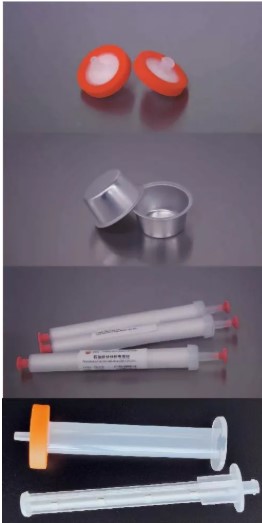
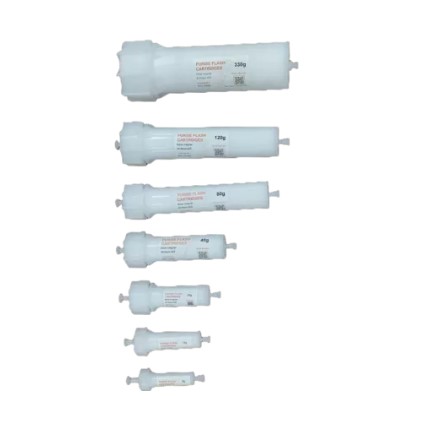
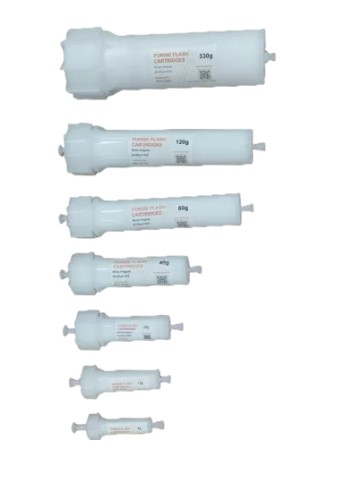
ADS Consumables
The dedicated ADS column is equipped with specialized capturing resin, offering greater capturing capacity and lower operating pressure compared to reverse-phase silica. It eliminates trailing and sample contamination caused by residual silanol groups. The optimized length-to-diameter ratio allows for high-flow sample capturing, resulting in faster operation and higher efficiency.
AI Product Description
*The following content is generated by AI and is for reference only.
This product is a high-performance laboratory consumable designed for precise fluid handling and sample preparation in scientific research environments. Primarily utilized in biochemistry, molecular biology, and clinical diagnostics, it serves as a critical interface between automated analyzers and manual testing protocols. The device features advanced polymer engineering to ensure chemical inertness, preventing contamination during the analysis of sensitive biological fluids such as blood, serum, or cell cultures. Its ergonomic design facilitates seamless integration with standard liquid handling systems, significantly reducing operator error and enhancing throughput efficiency in high-volume laboratories.
Key applications include reagent dispensing, sample dilution, and waste collection within automated workflows. The material composition guarantees compatibility with a wide range of solvents, acids, and bases, making it suitable for diverse experimental conditions without degradation. Users must strictly adhere to sterility protocols before installation to maintain sample integrity. It is imperative to store the units in a clean, dry environment away from direct sunlight to preserve their physical properties. Before use, inspect each component for microscopic defects or particulate matter that could compromise analytical results.
Safety precautions dictate wearing appropriate personal protective equipment, including gloves and safety goggles, when handling used components containing hazardous biological materials. Disposal must follow local regulatory guidelines for biomedical waste to prevent environmental contamination. Do not attempt to reuse single-use items, as this poses significant risks of cross-contamination and inaccurate data. Regular calibration of associated instrumentation is recommended to ensure optimal performance alongside these consumables. By following these operational standards, laboratories can achieve consistent, reliable outcomes while maintaining a safe working environment. This solution represents an essential tool for modernizing diagnostic capabilities and supporting rigorous scientific inquiry across global research institutions.





 (All Rights Reserved)