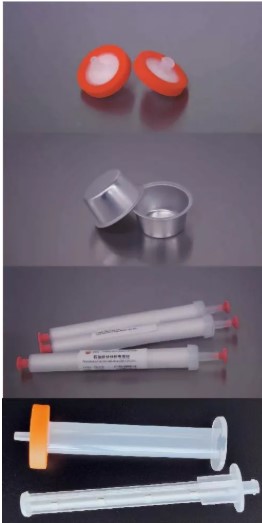
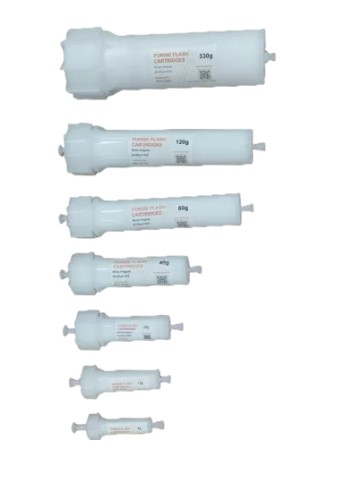
Product Description
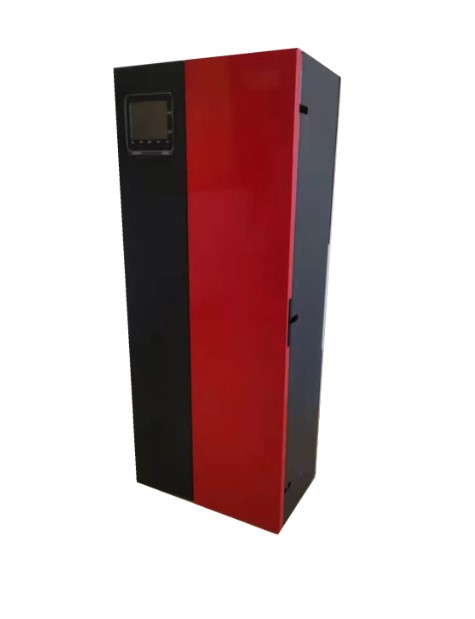
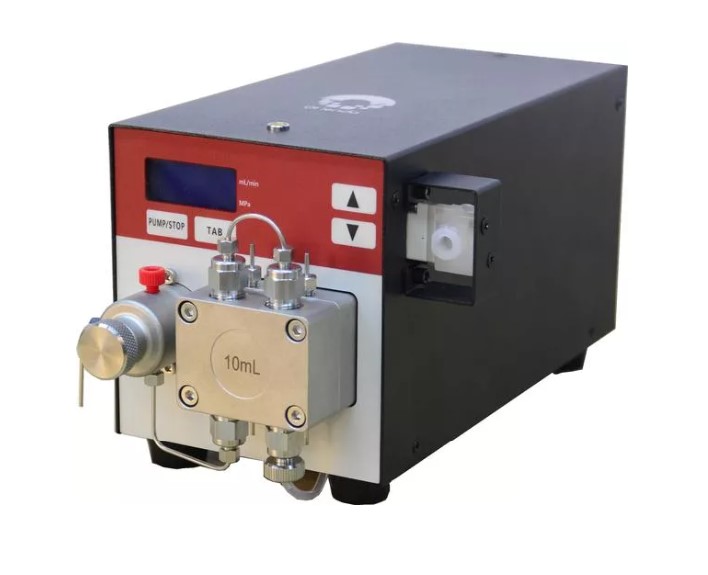
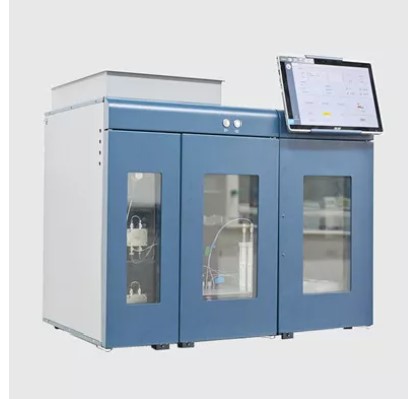
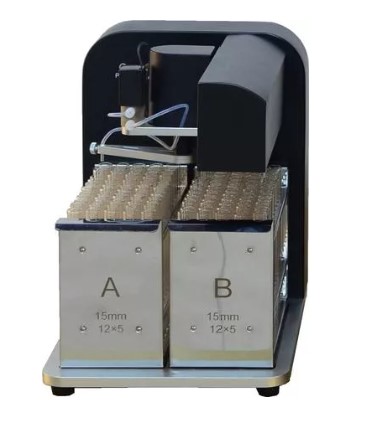
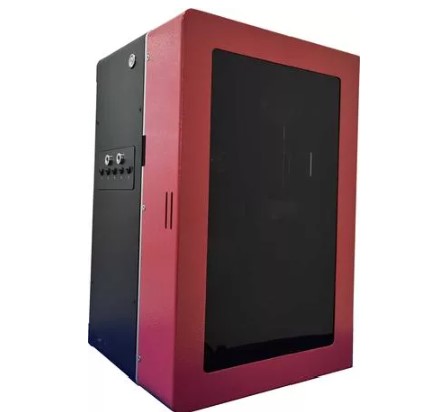
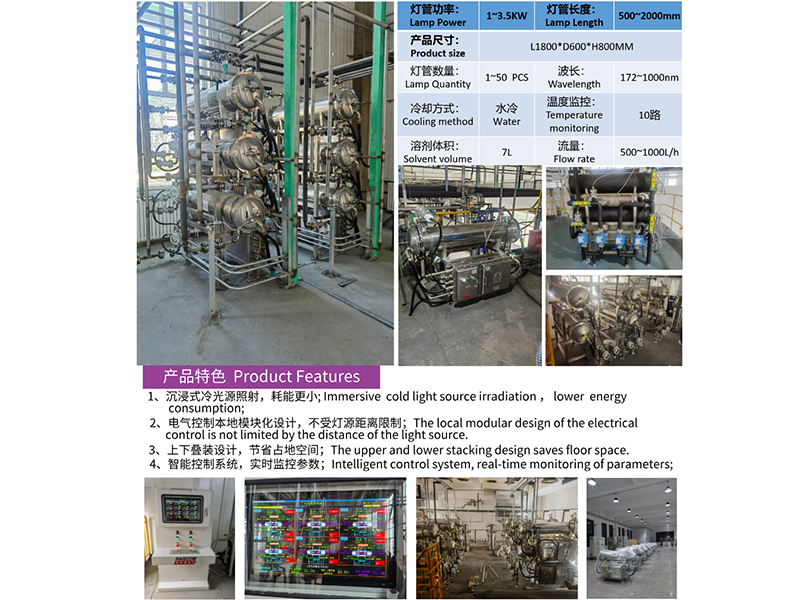
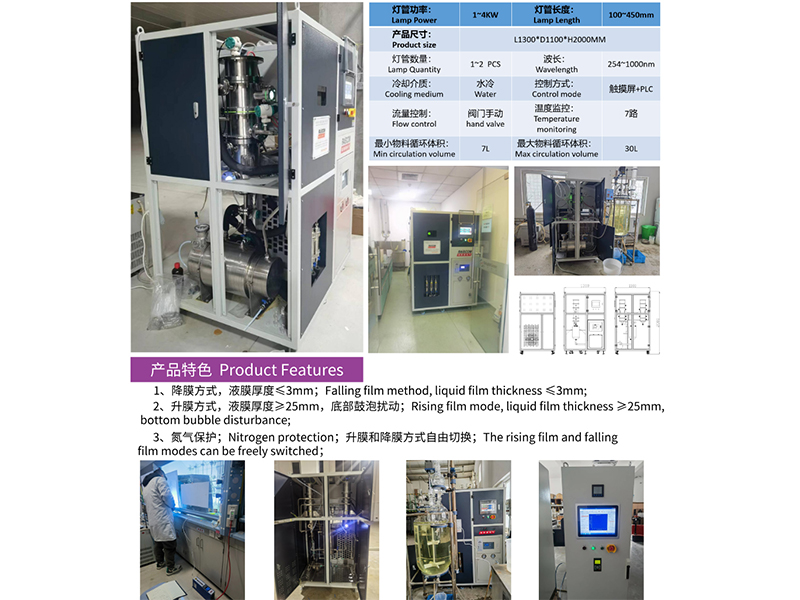
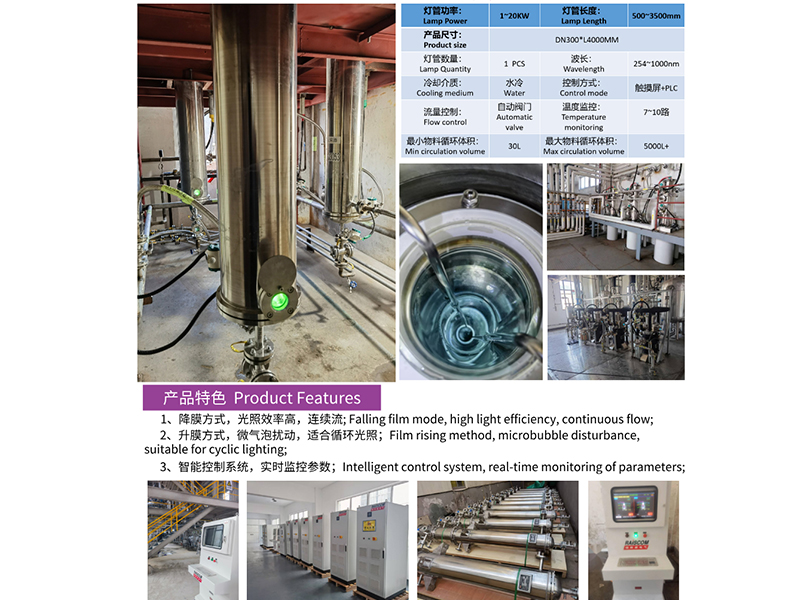
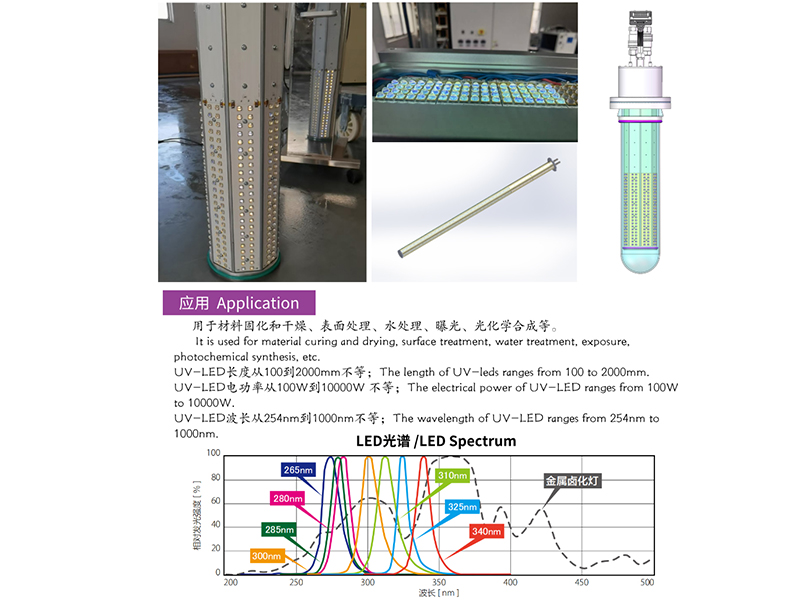
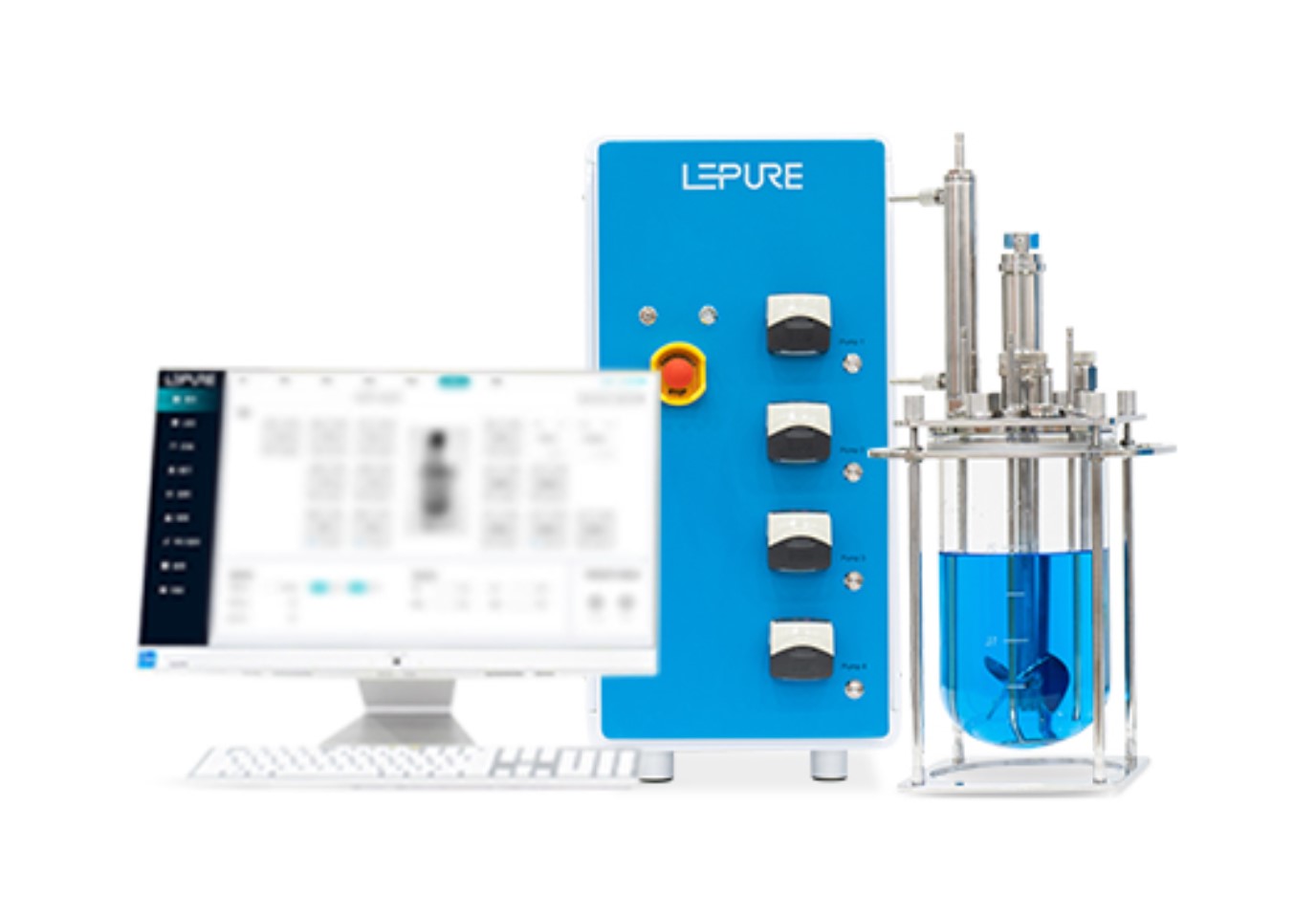
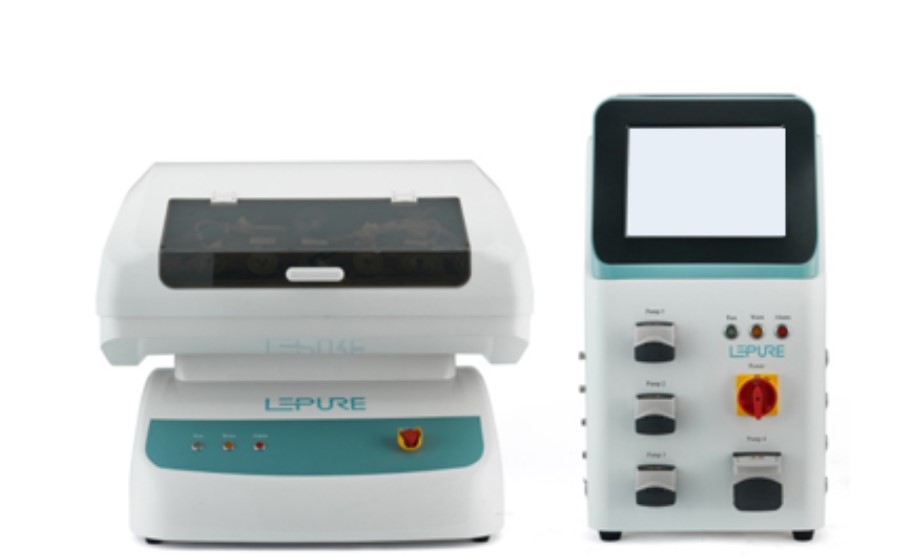
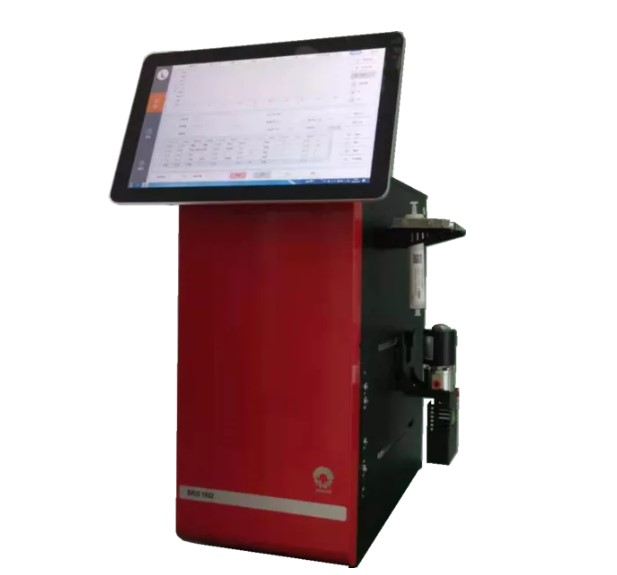
It is designed for desalination, dehydration, and product concentration in reverse-phase chromatography eluents. The equipment is highly automated, allowing for efficient operation. Different equipment models are available based on processing capacity, supporting applications ranging from small-scale trials to pilot and production levels.
AI Product Description
*The following content is generated by AI and is for reference only.
The device described is a specialized industrial or commercial water treatment unit designed to remove dissolved salts and excess moisture from various fluid streams. Its primary function is to purify water by eliminating ionic contaminants through ion exchange or membrane filtration processes, followed by a dehydration stage that reduces water content to meet strict purity standards. This dual-action capability makes it essential for industries requiring high-purity water, such as pharmaceutical manufacturing, semiconductor fabrication, power generation cooling systems, and precision laboratory applications. In these sectors, even trace amounts of minerals or humidity can compromise product quality, damage sensitive equipment, or disrupt chemical reactions.
Operation requires careful attention to several critical factors. First, the system must be installed in a controlled environment with stable temperature and pressure conditions to ensure optimal performance. Regular maintenance is vital; operators should monitor pressure differentials across filters and replace consumable components like resin beds or desiccant cartridges according to manufacturer schedules to prevent breakthrough contamination. Before initiating operation, users must verify all connections are leak-free and that inlet water parameters fall within the specified range to avoid damaging internal mechanisms. Additionally, proper disposal of concentrated brine or waste moisture is necessary to comply with environmental regulations. Safety protocols include wearing appropriate personal protective equipment when handling regenerated chemicals or accessing pressurized vessels. The unit typically features automated control interfaces for monitoring real-time conductivity and flow rates, allowing for immediate adjustments if deviations occur. By integrating advanced separation technologies, this equipment ensures consistent output quality while minimizing downtime. Ultimately, its deployment supports operational efficiency and regulatory compliance across diverse sectors where water purity is non-negotiable. Proper training for staff on troubleshooting common issues and understanding system limitations further enhances reliability and extends the service life of the entire assembly.





 (All Rights Reserved)