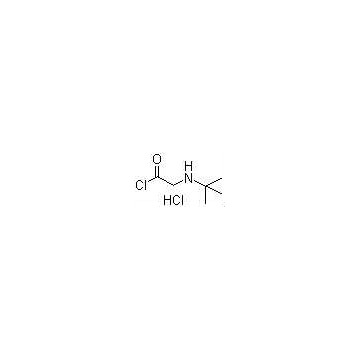
Molecular Weight: 207
CAS No.: 3415-08-5
Storage: Keep cool and dry
Appearance: White to off White crystalline powder
Solubility: 20mg in 1.0ml 1, 4-Dioxane clearly soluble
H-NMR: ≥ 95.0%
CT Assay: ≤ 0.1
*The following content is generated by AI and is for reference only.
H-Tyr-Nca refers to N-Carboxyanhydride (NCA) derived from L-tyrosine, a fundamental building block in polymer chemistry and peptide synthesis. Its chemical structure consists of a tyrosine backbone with an activated cyclic carbamate group, facilitating ring-opening polymerization without the need for additional catalysts in many cases. The molecular formula is typically C₁₀H₉NO₄, representing the anhydride form of tyrosine. While specific CAS numbers can vary slightly depending on stereochemistry (L- vs D-isomer) and purity grades, the L-enantiomer is most commonly associated with CAS 10247-96-8 or similar identifiers for the protected NCA derivative used in research.
This compound serves as a critical monomer for synthesizing poly(tyrosine), a biodegradable and biocompatible polymer with significant potential in biomedical applications. Poly(tyrosine) derivatives are extensively investigated for drug delivery systems, tissue engineering scaffolds, and surgical sutures due to their ability to degrade into non-toxic amino acids. The presence of the phenolic hydroxyl group in the tyrosine side chain allows for further chemical modification, enabling the attachment of bioactive molecules, fluorescent tags, or targeting ligands to tailor material properties for specific therapeutic needs.
In laboratory settings, H-Tyr-Nca is primarily utilized under inert atmospheres to prevent premature hydrolysis. It undergoes controlled ring-opening polymerization initiated by nucleophiles such as amines or alcohols, yielding polymers with tunable molecular weights and narrow polydispersity indices. Researchers leverage its unique reactivity to create block copolymers that combine the mechanical strength of poly(tyrosine) with the functional versatility of other monomers. Beyond medicine, these materials find niche applications in sustainable packaging and environmentally friendly adhesives. Despite its stability challenges requiring careful storage at low temperatures, H-Tyr-Nca remains an indispensable tool for advancing next-generation biomaterials, bridging the gap between synthetic polymer science and biological functionality. Its role in developing smart, responsive materials continues to drive innovation across pharmaceutical and materials science disciplines globally.





 (All Rights Reserved)



![5,6,7,7a-Tetrahydro thieno[3,2-c]pyridin-2(4H)-one Hydrochloride](https://eimg.pharmasources.com/img_Cphi_en/Product/2016_02/Mimg_1602021058457992.jpg)