Product Description
Pharmaceutical
Raw Materials and Intermediates
AI Product Description
*The following content is generated by AI and is for reference only.
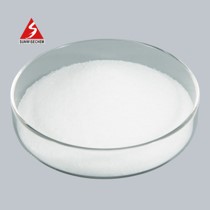
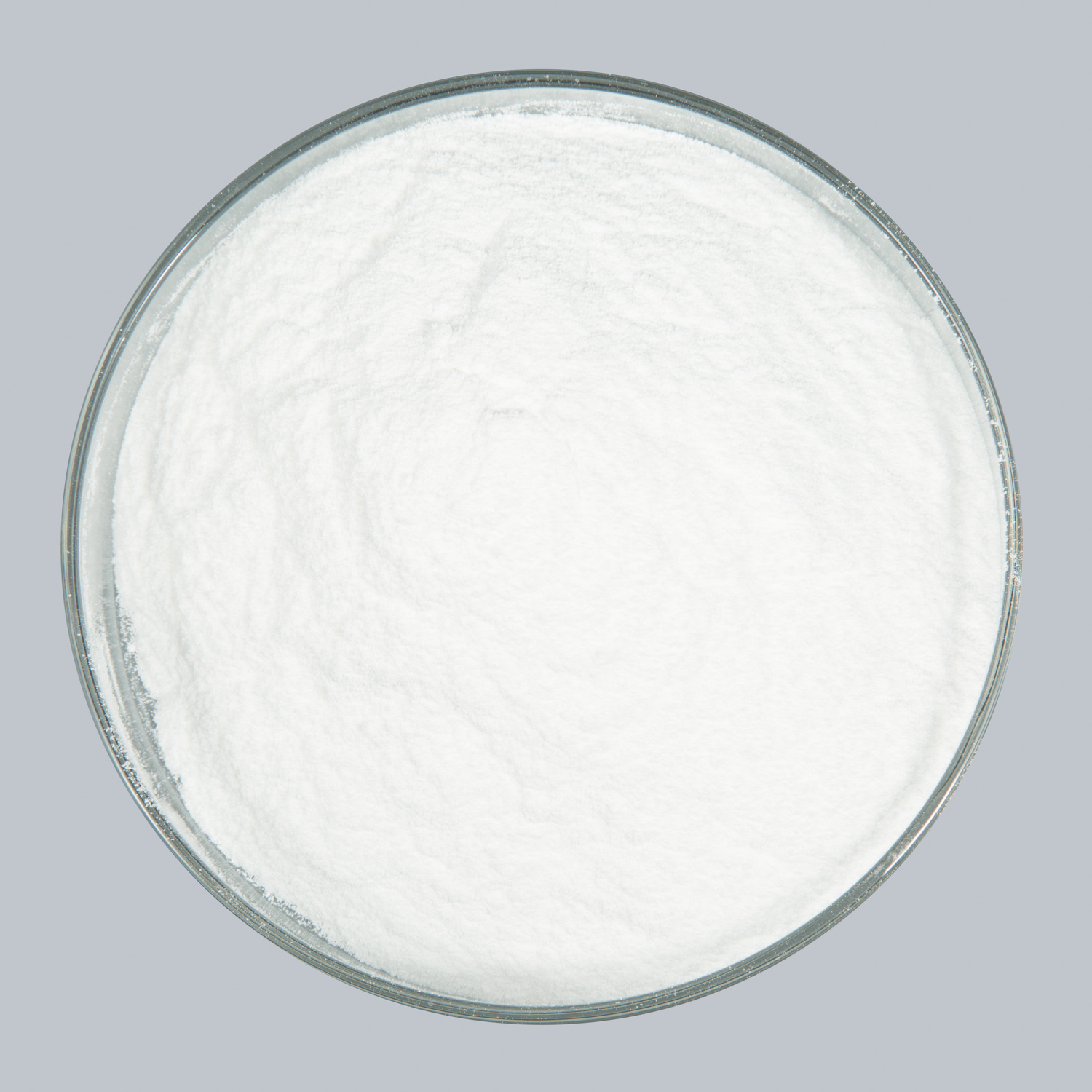
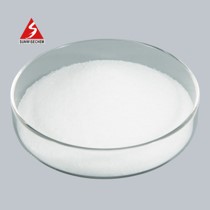
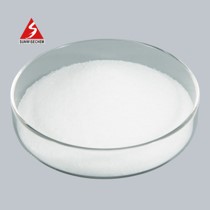
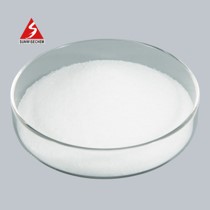
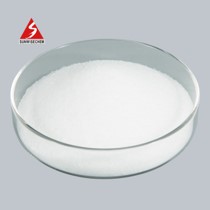
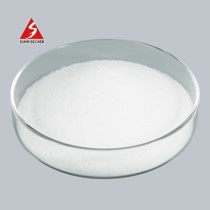
Guanine hydrochloride, chemically known as 7H-purin-2-one hydrochloride, is a significant derivative of the natural purine base guanine. Its molecular formula is C5H6ClN5O, reflecting the addition of a hydrochloric acid molecule to the parent compound. The substance is identified by the CAS Registry Number 3980-19-6. Structurally, it appears as a white to off-white crystalline powder that is generally soluble in water and dilute acids but insoluble in most organic solvents. This compound serves as a crucial intermediate in various chemical and pharmaceutical synthesis pathways.
In the pharmaceutical industry, Guanine hydrochloride is primarily utilized as a starting material for the production of antiviral and anticancer agents. It plays an essential role in the synthesis of specific nucleoside analogs, which are vital components in treating viral infections such as herpes simplex and hepatitis B. By modifying its structure, researchers can develop drugs that inhibit viral DNA polymerase or interfere with cancer cell replication. Furthermore, this reagent is extensively employed in biochemical research to study nucleic acid metabolism and enzyme kinetics. Scientists use it to investigate the mechanisms of purine biosynthesis and degradation within biological systems.
Beyond medicine and research, Guanine hydrochloride finds applications in the cosmetic sector, where it contributes to the formulation of pearlescent pigments due to its crystal structure, although guanine itself (from fish scales) is more common for this purpose than the hydrochloride salt. In analytical chemistry, it acts as a standard reference material for calibrating instruments used in high-performance liquid chromatography (HPLC) and mass spectrometry. Safety protocols must be strictly followed during handling, as the hydrochloride form can be corrosive and irritating to skin, eyes, and the respiratory tract. Proper storage in a cool, dry, and well-ventilated area away from incompatible bases is recommended to maintain stability. Overall, Guanine hydrochloride remains an indispensable chemical building block bridging fundamental organic chemistry with advanced therapeutic development.





 (All Rights Reserved)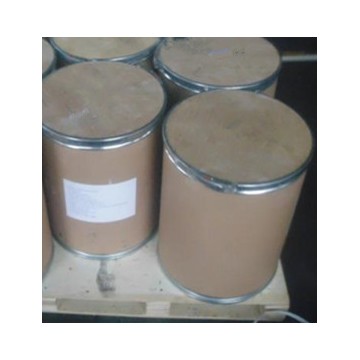
![6,8-Dioxo-5,7-diazaspiro[3.4]octane-2-carboxylic acid](https://eimg.pharmasources.com/image/product/20250403/02effeb5a7639bc84ff1f3add3c0c64fjpg)
![8-Oxa-1,3-diazaspiro[4.5]decane-2,4-dione](https://eimg.pharmasources.com/image/product/20250403/60fa7223d5a34f24138486ceea0ffb15jpg)
![8,16-Diazadispiro[6.1.6.2]heptadecan-17-one](https://eimg.pharmasources.com/image/product/20250403/ca91cba8b87e53fc879f8d8764873a40jpg)
