Product Description
- Cat. #: AKI-40
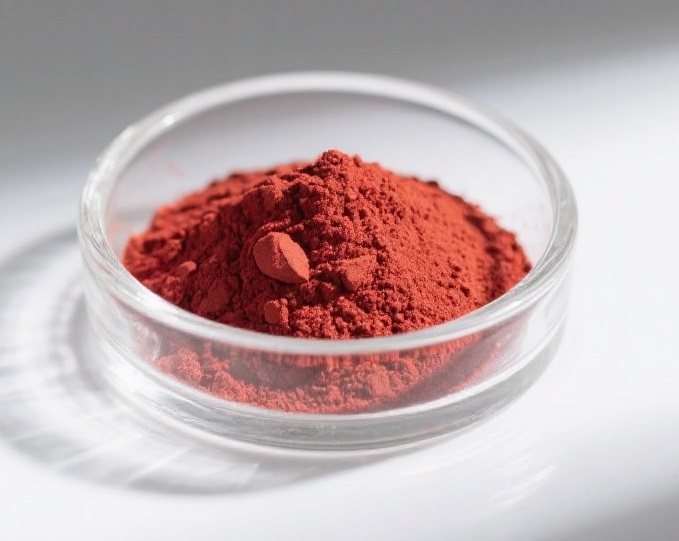
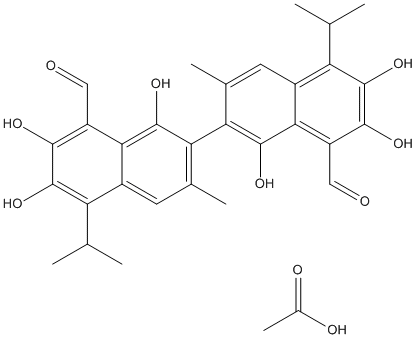
- Product: Gossypol acetate
- CAS No.: 12542-36-8
- Molecular Formula: C32H34O10
- Molecular Weight: 578.60636 g/mol
- Specification: 98%
- Availability: In stock
- OtherName: Gossypol-Acetic acid; Gossypol acetic acid
AI Product Description
*The following content is generated by AI and is for reference only.
Gossypol acetate is a specialized chemical derivative of gossypol, a naturally occurring polyphenolic compound primarily extracted from cottonseed oil. With the molecular formula C30H30O8 and the CAS number 25419-76-7, this substance represents a stabilized form of gossypol where the hydroxyl groups are acetylated, enhancing its solubility in organic solvents compared to the parent compound. This modification is crucial for various industrial and pharmaceutical applications requiring precise delivery mechanisms.
The primary utility of Gossypol acetate lies in its potent biological activities, particularly as an antifertility agent. Historically, it has been extensively studied for male contraception due to its ability to inhibit sperm motility and reduce spermatogenesis without affecting libido or sexual function. While clinical trials have demonstrated its efficacy in reducing fertility, regulatory approval varies globally due to concerns regarding potential side effects on the liver and heart at high doses. Consequently, research continues into optimizing dosage and delivery systems to maximize therapeutic benefits while minimizing toxicity.
Beyond reproductive health, Gossypol acetate exhibits significant anti-cancer properties. It functions as a pro-apoptotic agent by targeting mitochondrial pathways and inhibiting heat shock proteins, making it a subject of interest in oncology for treating various malignancies, including breast, prostate, and leukemia cancers. Its mechanism involves disrupting cellular energy metabolism and inducing programmed cell death in tumor cells. Furthermore, the compound possesses broad-spectrum antimicrobial and antiviral characteristics, suggesting potential applications in agricultural settings for protecting crops against pests and pathogens, although this usage is less common than its medical implications.
In laboratory research, Gossypol acetate serves as a vital tool for studying lipid metabolism and signal transduction pathways. Its unique structure allows scientists to investigate the role of specific enzymes and receptors in disease progression. Despite its promising profile, handling requires strict safety protocols due to its inherent toxicity if misused. As a versatile bioactive molecule, Gossypol acetate remains a focal point in drug discovery, bridging the gap between traditional natural products and modern pharmacological interventions. Ongoing studies aim to refine its application, ensuring safer and more effective treatments for complex human diseases while exploring new avenues in agricultural biotechnology.





 (All Rights Reserved)