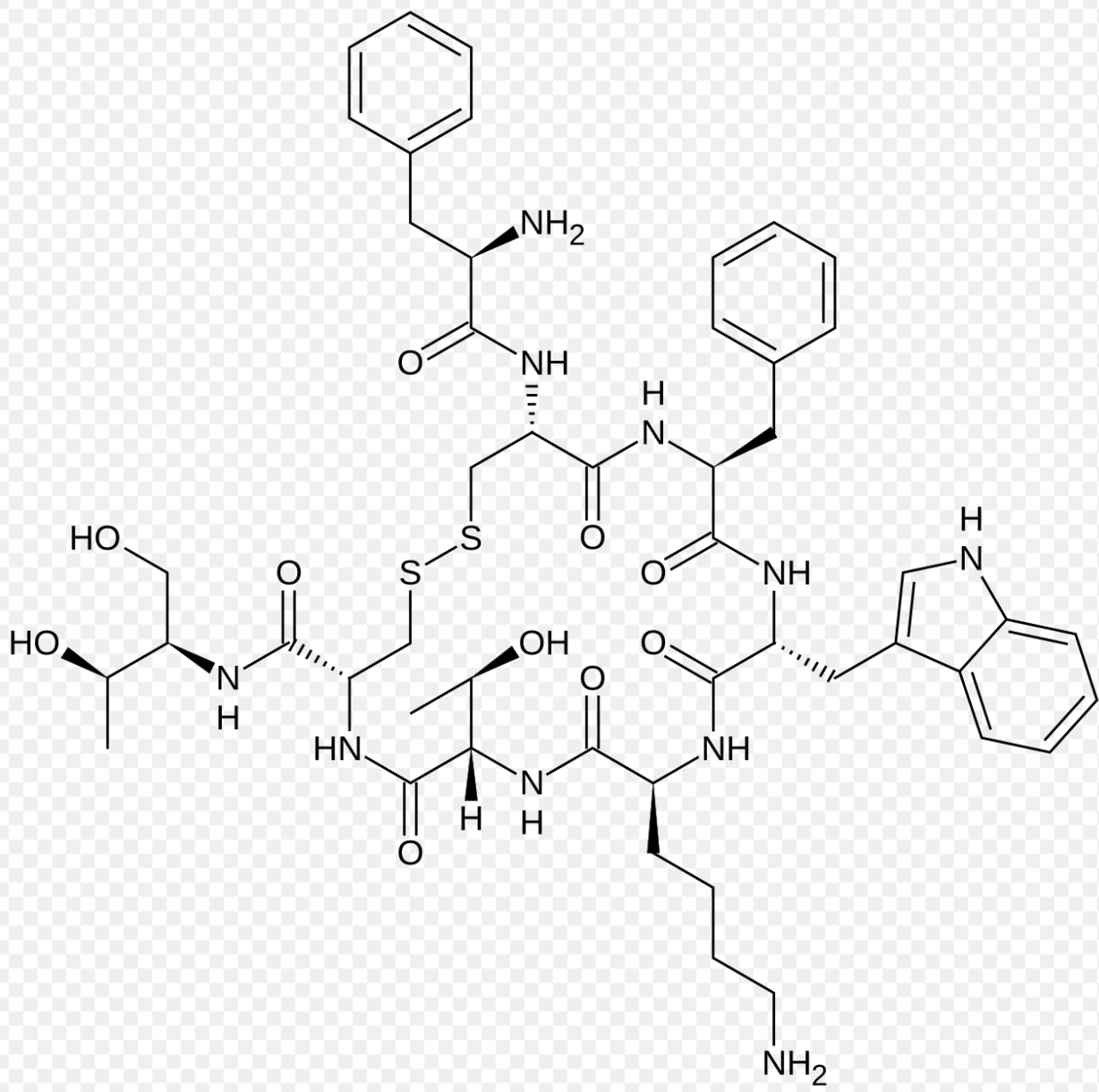
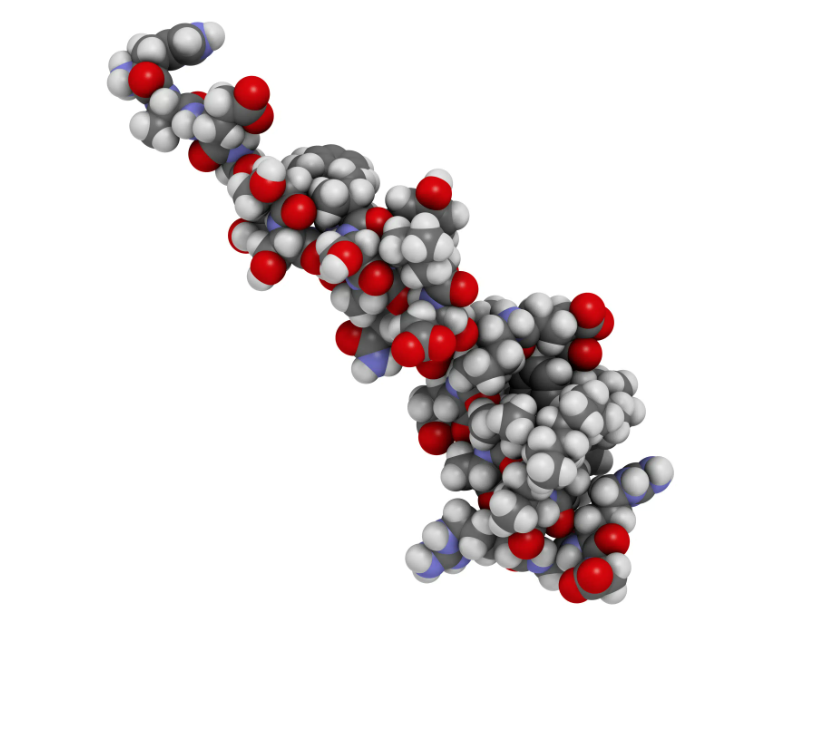
Product Description
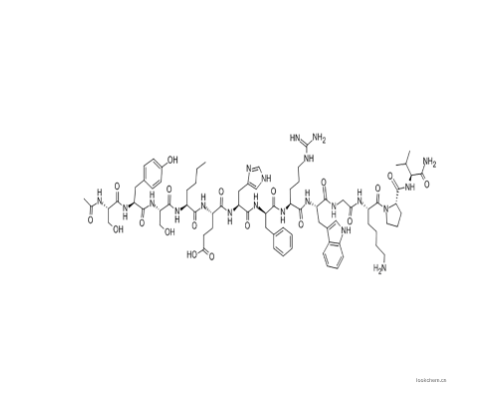
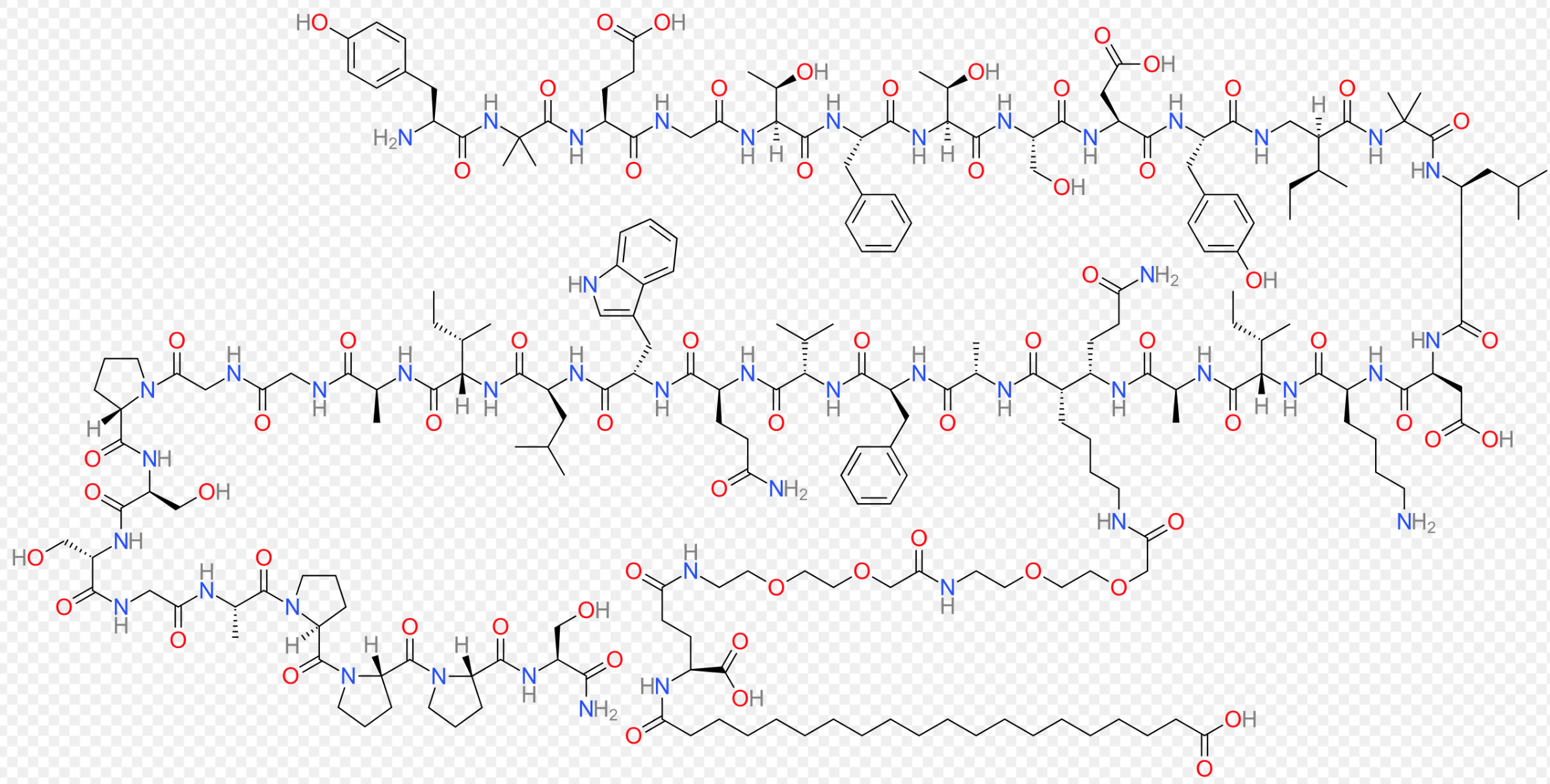
GLP-2(1-33) (human) is an enteroendocrine hormone peptide that can bind to GLP-2 receptors and stimulate the growth of intestinal epithelial cells. GLP-2(1-33) (human) sequence contains more acidic amino acids and has better water solubility.
AI Product Description
*The following content is generated by AI and is for reference only.
GLP-2 (1-33), also known as human Glucagon-like peptide-2, is a critical endogenous peptide hormone derived from the proglucagon gene. Primarily secreted by L-cells in the distal small intestine and colon, this 33-amino acid polypeptide plays a pivotal role in regulating intestinal growth and function. The molecule acts as a potent trophic factor for the gastrointestinal mucosa, stimulating the proliferation of enterocytes and promoting angiogenesis within the gut lining. Its biological activity is strictly dependent on its specific amino acid sequence, with the N-terminal dipeptide Gly-Pro being essential for receptor binding and subsequent signaling cascades.
In clinical and research contexts, synthetic versions of GLP-2 (1-33) are extensively utilized to study mechanisms underlying intestinal repair, particularly following injury or in conditions characterized by mucosal atrophy. The primary therapeutic application involves the treatment of short bowel syndrome, where it significantly enhances nutrient absorption by increasing villus height and crypt depth. By activating the GLP-2 receptor, which belongs to the class B G-protein coupled receptor family, the peptide triggers intracellular pathways that inhibit apoptosis and accelerate tissue regeneration. This makes it an invaluable tool for investigating metabolic disorders, inflammatory bowel diseases, and the pathophysiology of gut barrier integrity.
The molecular structure of human GLP-2 (1-33) features a specific arrangement that ensures high stability and bioavailability when administered therapeutically. While native GLP-2 has a short half-life due to rapid degradation by dipeptidyl peptidase-4 (DPP-4), recombinant forms used in laboratories often serve as controls or building blocks for developing long-acting analogs. Researchers employ this compound to elucidate the complex interplay between the gut microbiome and host physiology. Furthermore, understanding the precise molecular formula and structural nuances of GLP-2 (1-33) aids in the design of novel pharmacological agents aimed at improving digestive health and treating malabsorption syndromes. Its unique ability to promote mucosal healing without affecting systemic glucose metabolism distinguishes it from other incretin hormones like GLP-1, offering a targeted approach for gastrointestinal therapies.





 (All Rights Reserved)